


.svg)
Just how did Ninja Tune go from being one of the 90s’ leading experimental outposts to the most important electronic music label of the 21st Century? By “employing the right people and letting them get on with the job without interfering,” hears Annabel Ross…
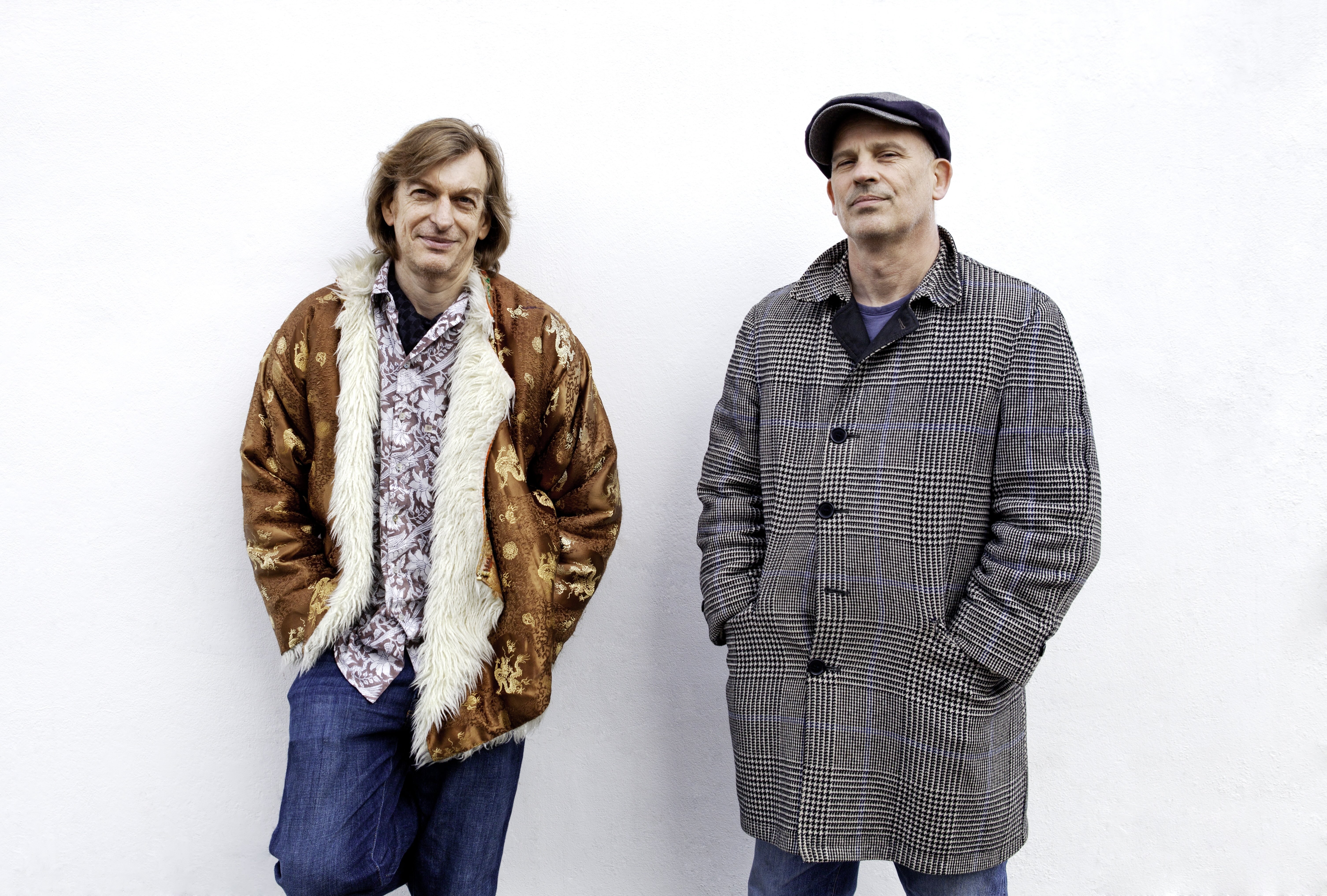
Fans of the label Ninja Tune can be roughly split into two camps: those who followed the career of its founders, trip hop/sampling maestros Coldcut from the beginning in the early-90s, along with other heritage Ninja Tune acts such as 9 Lazy 9, The Herbaliser and Funki Porcini; and those who may not even be aware of Coldcut as artists, and for whom the name Funki Porcini conjures a strain of magic mushrooms more than anything else.
The split is largely generational (the latter group extends from millennials to Gen Zs, the former is mainly Gen Xers) and it’s indicative of how the London-based label has successfully reinvented itself over the past 30 years, from its heady trip hop/jazz roots to the electronic music powerhouse it is today, home to banner acts such as Bicep, Floating Points, Bonobo and Little Dragon and scores of trophies from BRIT Awards and Mercury Prizes to a Grammy.
Younger Ninja Tune followers might also be surprised to learn that along with pioneering, sample-heavy trip hop fare, Coldcut (Matt Black and Jonathan More) were responsible for producing one of the biggest pop hits of the 80s, ‘The Only Way Is Up’, for Yazz and the Plastic Population. Looking back though, this unlikely lineage and the diverse tastes and talents of Black and More – an Oxford graduate and computer programmer and an ex-art teacher respectively, whose key influences include New York sampling duo Double Dee and Steinski, Grandmaster Flash, the experimental dub of Adrian Sherwood’s On-U Sound label, and Black music from house to hip hop to rap to reggae and beyond – goes some way in explaining how Ninja Tune eventually became what is arguably the most important label in dance music today.
Coldcut launched Ninja Tune out of frustration with the creative constraints at major labels such as Arista Records and Big Life, where they were expected to keep churning out chart-toppers for the likes of Yazz and Lisa Stansfield. The name was hatched in 1990, while watching old ninja TV shows in Japanese hotel rooms while on tour with Norman Cook and Beats International, and it has remained the perfect moniker for a label that has expanded and shapeshifted with credibility intact. As for the name Coldcut: “I was living above a butcher’s and the heating was broken,” Black says. “The backyard was just full of cold cuts of meat.”
Starting Ninja Tune was also a means for Black and More to release their own music under other aliases (among them Bogus Order, DJ Food, Roots, Euphoreal) as contractual obligations with Big Life prevented them from being able to release as Coldcut for a number of years. So began Ninja Tune Mark 1: the trip hop/jazz/breaks/dub era, defined by releases such as DJ Food’s ‘Jazz Brakes’ series and Bogus Order’s ‘Zen Brakes’ records. Before too long, like-minded artists came knocking including Funki Porcini, Italian downtempo jazz outfit 9 Lazy 9, and London Funk Allstars.
“It’s certainly true that we didn’t really try to sign artists to the label,” says Black. “I think what we stood for became quite legible quite quickly. And it was a needed beacon of independence in the electronic music world, so that was attractive to a certain type of artist.”
In the mid-90s, the 18-month tenure of Ninja Tune’s legendary club night, Stealth, held at jazz bar The Blue Note in Hoxton, cemented their burgeoning reputation, along with Coldcut’s legal reclamation of their name in 1995. This was topped off with their celebrated ‘70 Minutes Of Madness’ mix CD, named Best Compilation of All Time by Jockey Slut in 1998. Following success with the heady, skunky sounds of acts such as The Herbaliser, DJ Vadim, and Mr Scruff, another pivotal moment for Ninja Tune was signing acclaimed rapper Roots Manuva to their sublabel Big Dada in 1999.
The brainchild of journalist Will Ashon, who wanted a home for the obscure hip hop-leaning music he liked to write about, Big Dada went on to sign other Mercury Prize-winning and nominated artists such as Speech Debelle, Young Fathers and Kae Tempest, and released Diplo and Spank Rock’s debut albums. Following the murder of George Floyd in May 2020 and ensuing protests, a decision was made that would not only reinvigorate the label, but hand over power to Ninja Tune’s Black and POC staff.
“We were sitting in, I think, weekly calls with our CEO, to point out the things we thought needed to change and basically have very honest conversations with him,” says co-head of Big Dada Victoria Cappelletti. “One of the things we suggested is that we launch a record label by and for POC, and with no debate we got a green light and were given the opportunity to do that our own way.”
The label is now an incubator for Black and POC artists, and, like Ninja Tune, hard to categorise musically. “We are focused on working with artists who have potential, represent and evolve within various communities, or have an artistic vision beyond music,” says Cappelletti. “We look at making sure we’re all on the same wavelength in terms of what sort of impact we want to have in this music ecosystem.”
Big Dada’s birth at the end of the 90s coincided with a new sonic era for Ninja Tune, defined by downtempo, jazz and ambient acts such as The Cinematic Orchestra and Amon Tobin, and by the mid-00s, artists as varied as Bonobo (whose own stylistic development has roughly mirrored the label’s) The Bug, Fink and Daedelus.
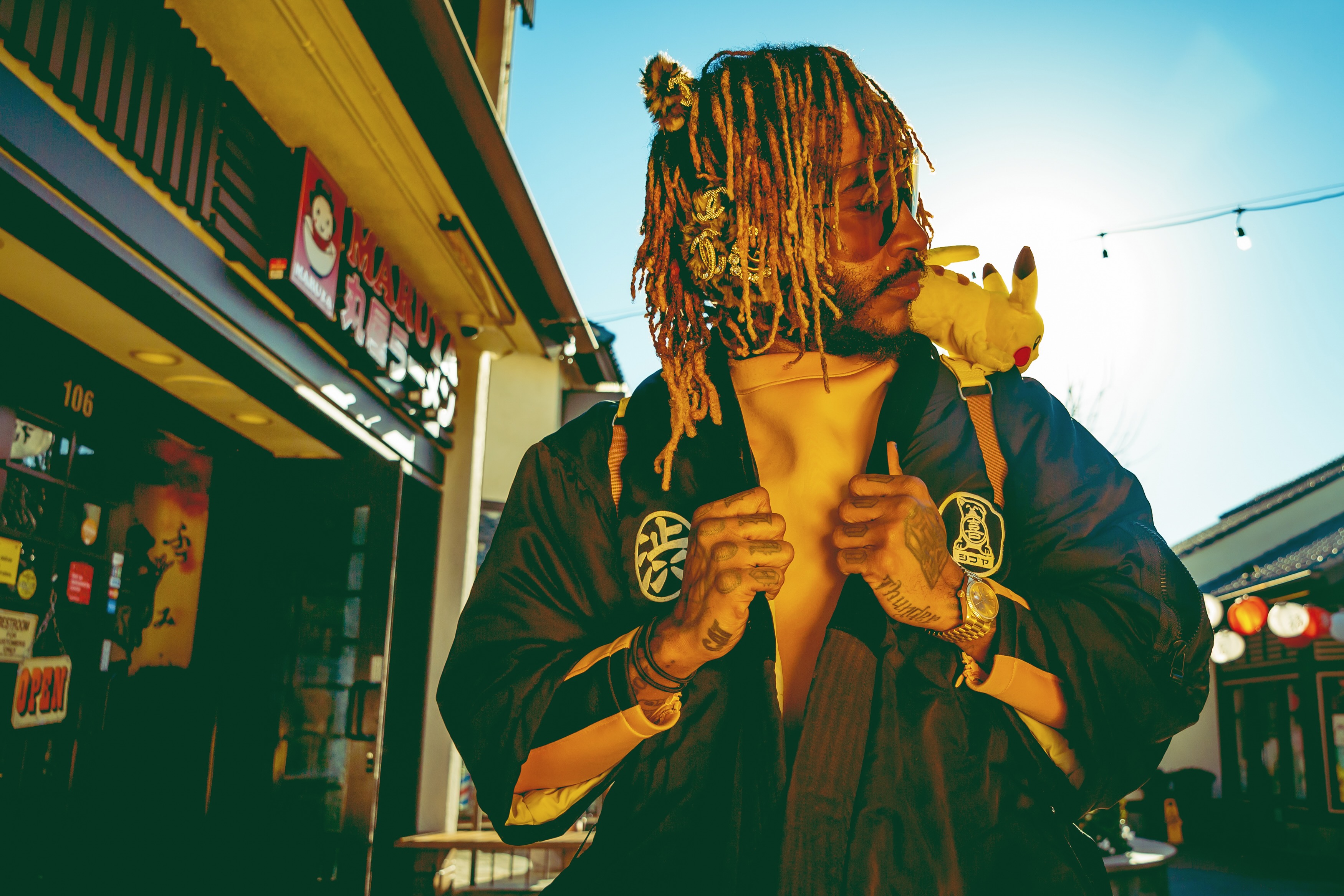
According to Black, “like-minded and leftfield” is probably the best descriptor for artists on the label and its various imprints and partnerships over the years, including Flying Lotus’ Brainfeeder label, distributed worldwide by Ninja Tune and home to artists including Thundercat and Ross from Friends, the Technicolour imprint (Peggy Gou, Sofia Kourtesis, Octo Octa) and Counter Records (Maribou State, ODESZA, TSHA). Indeed, of those mentioned, Gou and TSHA are now signed to Ninja direct. Every time you try and categorise Ninja or one of its sublabels, you’ll come across outliers such as experimental rock group Black Country, New Road and avant-rap trio Young Fathers.
“Sometimes, with Ninja Tune, it’s good to focus it and sometimes it’s good to make it diverse and there’s been periodic oscillations between that if you look at the Ninja Tune story over the last 30 years,” says Black. “Jon and I love all sorts of music and we love mixing them together. We’re John Peel’s children, we have open ears and you know, keep it wide, keep it open.”
Still, one could argue the Ninja sound is less esoteric than it once was. It’s still an exclusive club – not in a snobby way, but quality control is tight – but it’s more Zeitgeisty than ever thanks to a cabal of fêted house and techno artists who have joined the roster, most of whom followed the biggest signee of recent years, Bicep.
The Belfast duo of Andrew Ferguson and Matthew McBriar went stratospheric following the release of their self-titled debut LP in 2017, marking the start of Ninja Tune’s club music era. “Although Ninja Tune prior to us never released what some would perceive as straight-up club music, they were putting out a wide range of really interesting stuff as they had been for years,” they explain. “We’d recently seen some other album campaigns they had rolled out and could tell that they cared about the details whilst leaving the artists alone enough to do their own thing. We felt Ninja Tune would be the perfect place for us if we wanted to experiment more with our sound without the necessity for lots of 4/4 (beats) in the albums.”
Bicep also knew Ninja Tune had the manpower and global network to help them make a bigger splash. “Our own Feel My Bicep imprint at that point was a one-man operation putting out 12-inches, which is a lot of work if you want to push things to the next level,” they add. “Ninja have really amazing teams in different countries worldwide and this just made taking the music across the world much easier.”
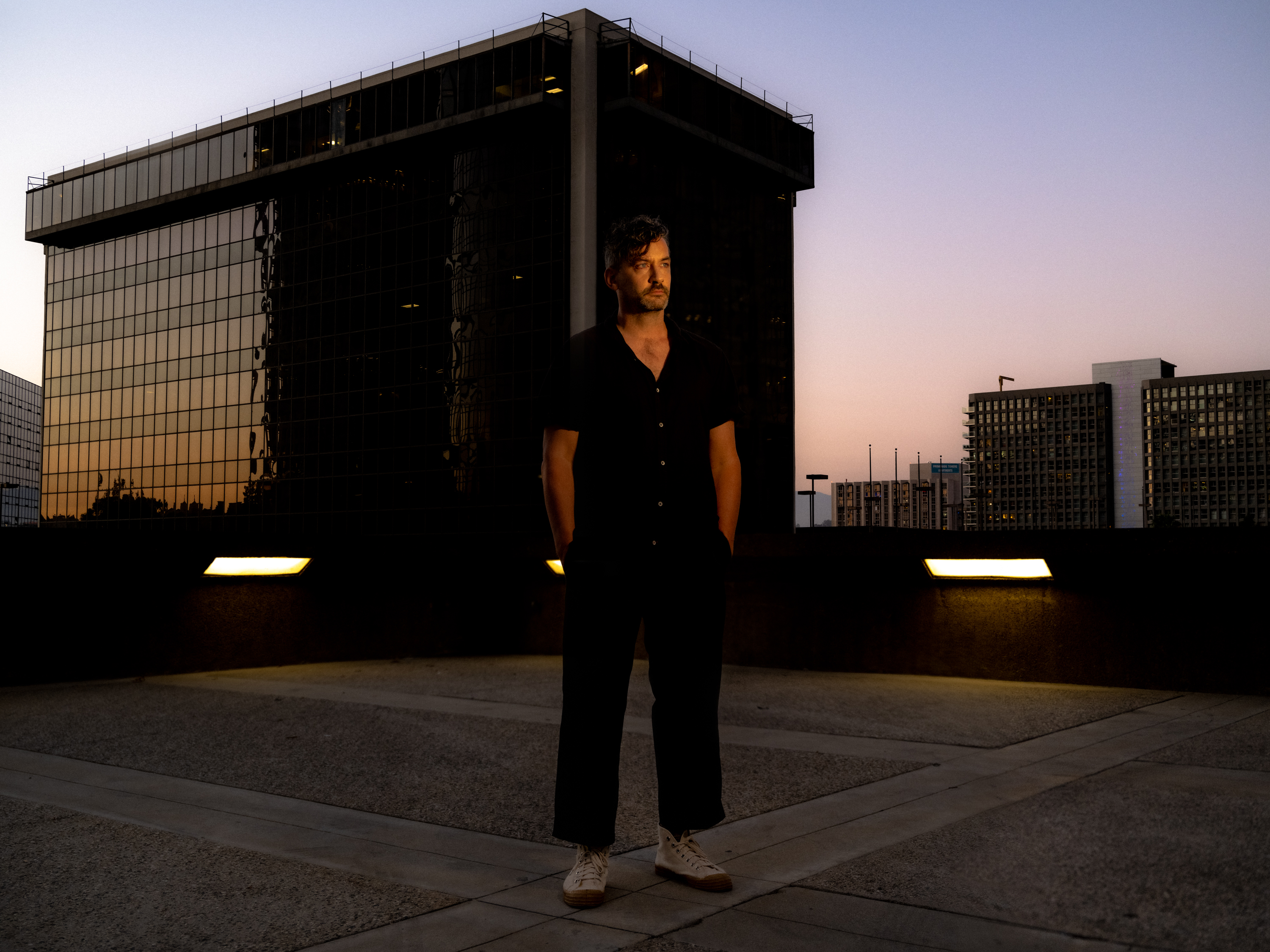
In the past year, breakthrough acts such as VTSS, Anz, Elkka and India Jordan have joined an ever-growing list of much-hyped club artists signing to the label and its Technicolour imprint including Jayda G, DJ Boring and Hieroglyphic Being. Whether they’re longtime fans of Ninja Tune or not, the newer artists are aware of the label’s history and significance and invariably excited and proud to join the Ninja Tune family.
“Ninja Tune has been one of my go-to all-time favourite labels since I was about 16, so to say this means a lot to me is an understatement, I’m still pinching myself now!!” wrote Jordan on their Instagram when announcing their ‘Watch Out’ EP last March. Like many other artists Disco Pogo spoke with, Jordan also praised the enthusiasm and attentiveness of Ninja Tune’s staff.
“The personable element of Ninja and meeting the wider team felt important to me. I don’t think I’d ever want to work with a label that felt removed, distant or transactional.”
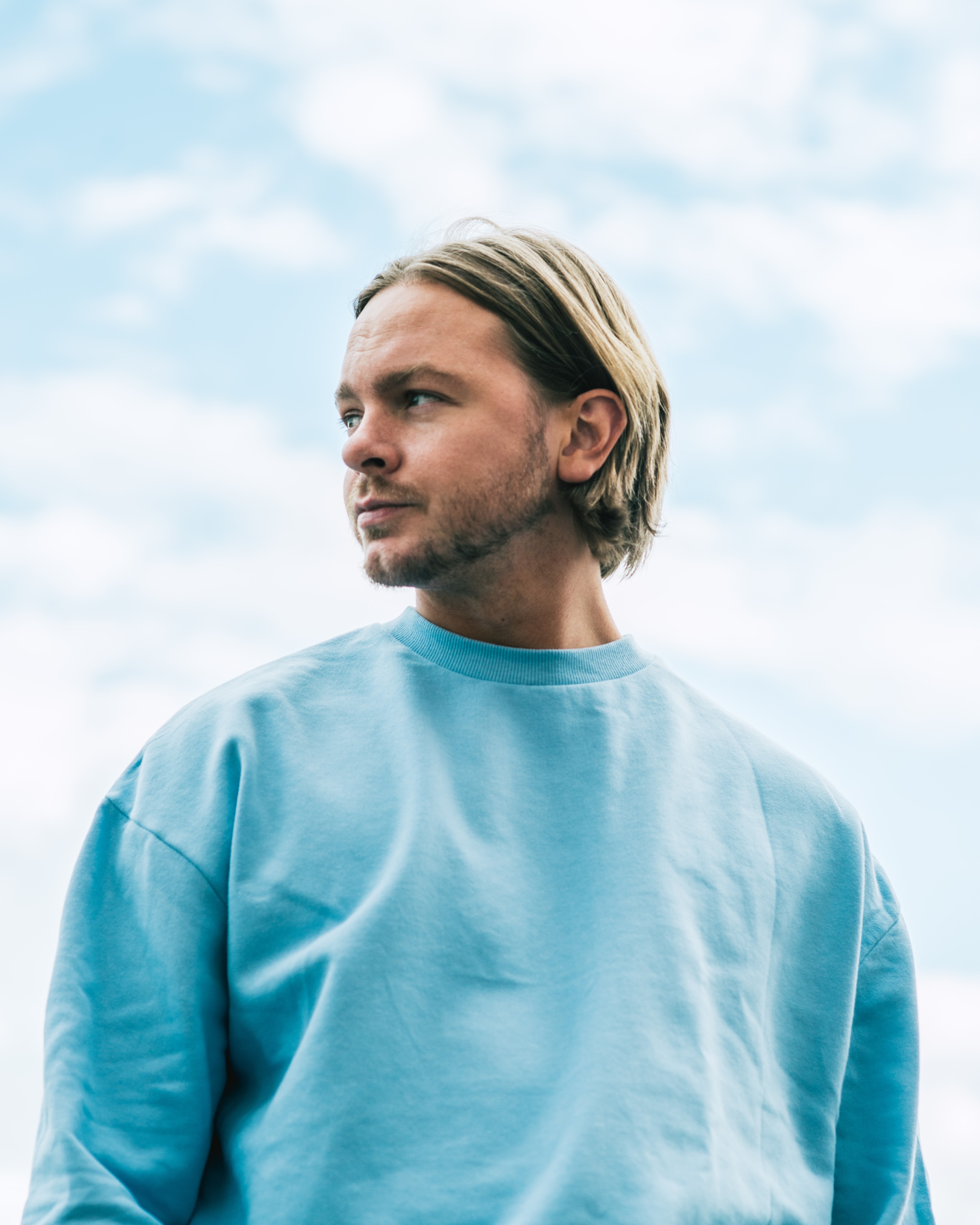
A name that comes up frequently among current era signees is Adrian Kemp, who joined the business in 2010, became head of A&R around six years ago and is now also CEO, with Peter Quicke. Ninja Tune artists speak of having full creative control, but they also appreciate feedback from the A&R department. They have “an encyclopaedic knowledge of music,” says Swedish electronic producer DJ Seinfeld, who released his second album ‘Mirrors’ on Ninja Tune last year. “They give you the time of day and they’re very, very honest. They don’t just listen to your demos once or twice, they’re checking out tracks ten times and providing [feedback] which you can tell is very thoughtful. But if the artist doesn’t agree, they’re happy to back down. There are no big egos attached to anything either. They are all happy to be proven wrong.”
Nabihah Iqbal, who was signed to Ninja Tune as Throwing Shade in 2015 and is readying her second album for release later this year, is similarly complimentary of the wider A&R team. “I really like working with them because they’re not sycophants. All of them are quite analytical with how they listen to things,” says the electronica artist. “It was actually the first time I had people listening to my music from a slightly different perspective and thinking about new things to try out and how [I could] push myself.”
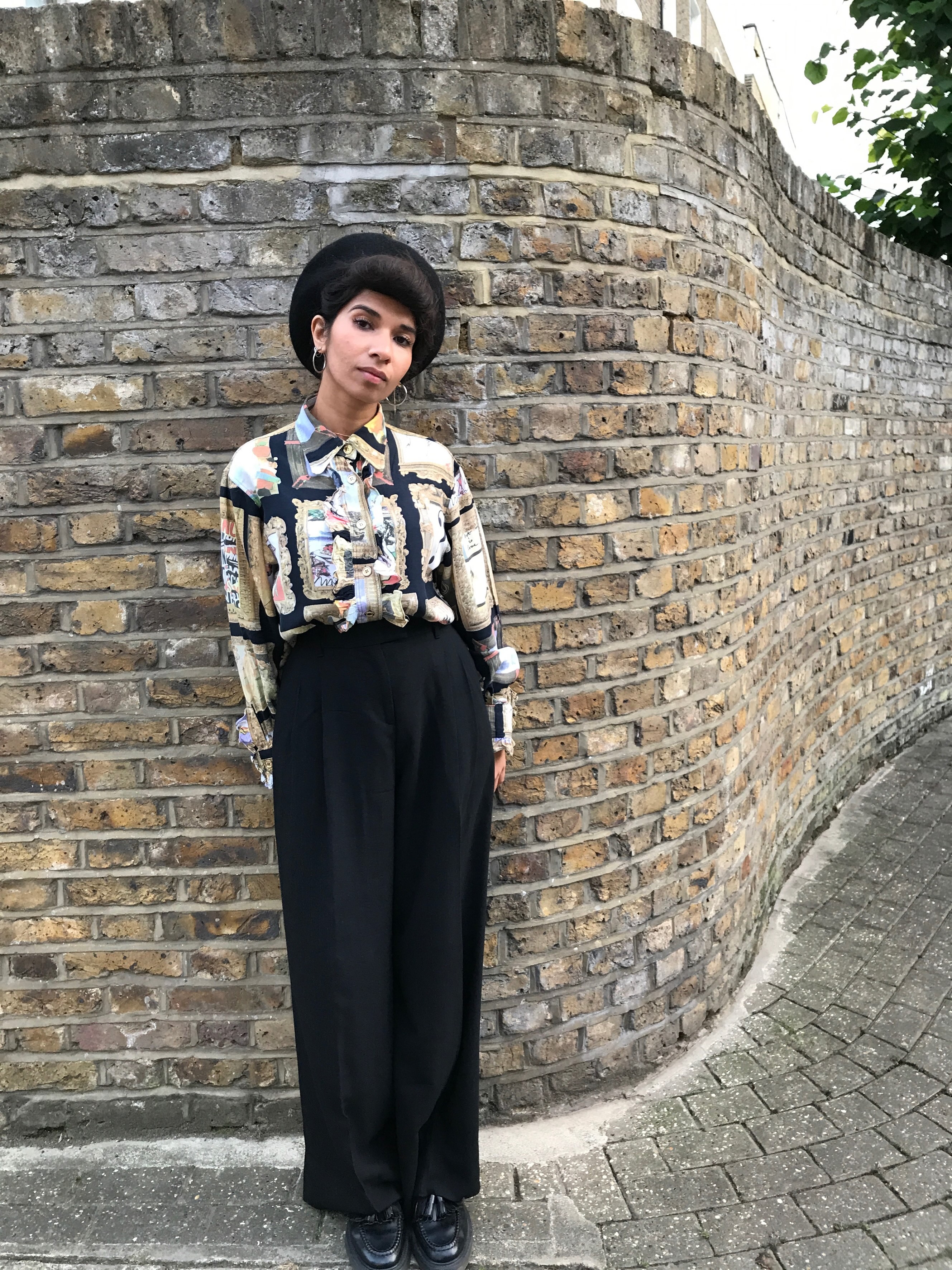
The influx of new artists has also increased diversity in Ninja Tune’s ranks, with many of its star recruits being women and/or Black and POC. Iqbal was the first South Asian woman to sign to Ninja Tune “and they can definitely do more of it”, she says. “When my first release came out, with online trolling and stuff you could just kind of tell that putting out my music was trying to shift Ninja in a different direction and sort of penetrate this old-school trip hop, probably predominantly white male music nerd fanbase,” she says. “But I’m happy to be on there because all the time I get messages from people, especially other ethnic minority artists and female artists who’ll be like: ‘It’s really inspirational to see you on a label like that.’”
India Jordan, meanwhile, thinks they might be the only non-binary artist on the Ninja Tune roster, but says they wouldn’t have signed with the label if they didn’t think it was committed to improving its representation of women, Queer and Trans artists. “There’s always more work to be done and labels need to ensure they are fully supporting the artist throughout the process, not just signing them to increase their diversity quotas,” they said.
Ambient techno auteur Darren Cunningham, better known by his artist name Actress, signed to Ninja Tune in 2012, after a lot of consideration. “I think I wanted to understand as deeply as possible how the machinations of the music industry works, particularly from an independent perspective,” he says. “Rather than actually give my music to people, I tended to sort of, for want of a better word, infiltrate different labels just to learn different things.”
Cunningham had stints working at One Little Indian and XL while running his own Werkdiscs label, but ultimately decided to join Ninja Tune in 2013 (Ninja Tune now distributes Werkdiscs releases and has released Werkdiscs artists including Actress and Helena Hauff on Ninja Tune).
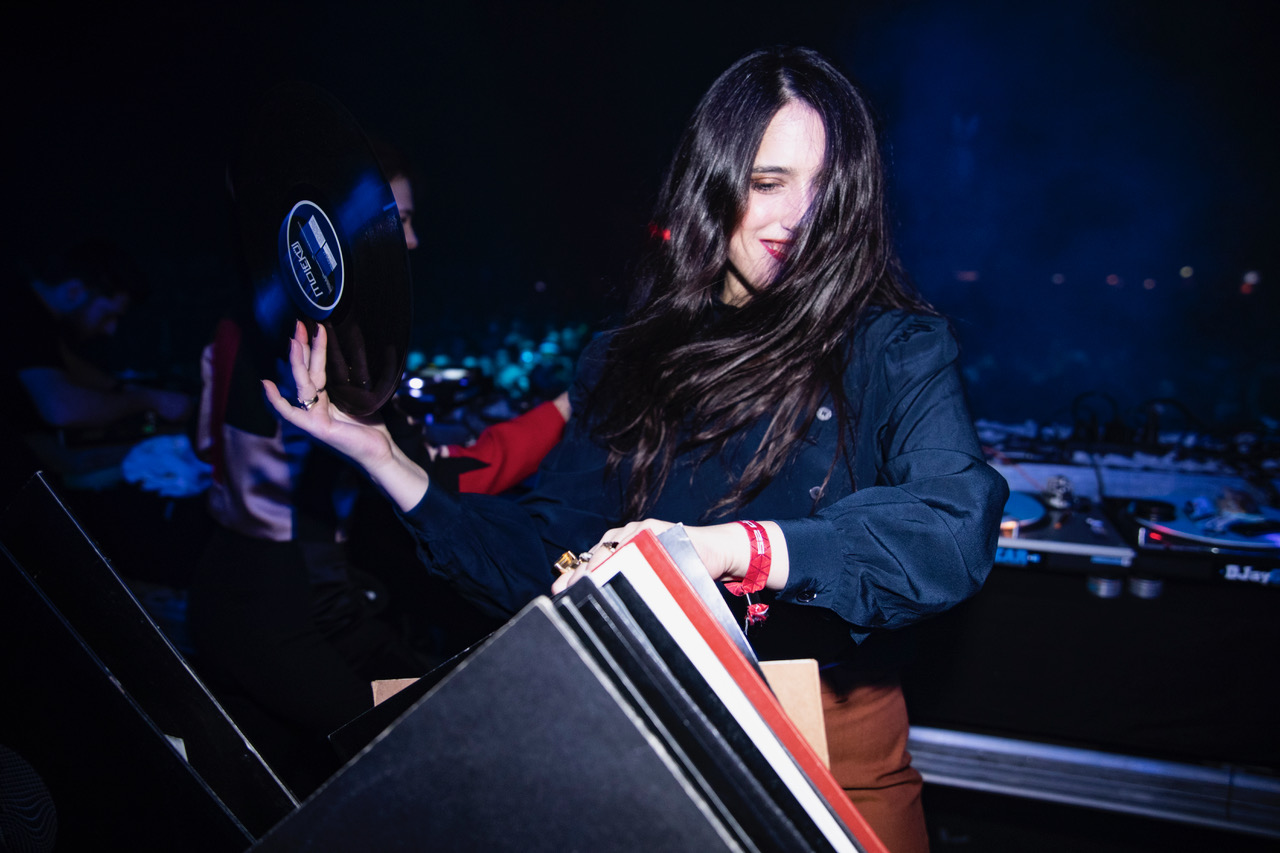
“They seem like quite a restrained label, I think they’re quite stealthy in the way they operate,” says Cunningham. “And I’ve never really felt pressured when working with them, if I’m being honest with you, and very occasionally, if you know how to push the right buttons, they’ll allow you to pull levers they don’t usually allow you to pull, and then it’s amazing how quickly you will see certain things get done.”
As an example, Cunningham cites Ninja Tune’s agility and responsiveness after he announced on social media he’d be releasing the 2020 mixtape ‘88’ in 24 hours, then had to follow through.
French-Canadian minimal wave artist Marie Davidson was approached by an A&R after performing at Sonar by Day in Barcelona and says it was their genuine enthusiasm that sealed the deal for her. “I believe that in the end, what makes a difference is if the people working for you are working for your music,” she says. “I’m expecting that a label will be as excited as I am about the music that’s going to be put out.”
She released her most acclaimed album to date, ‘Working Class Woman’ on Ninja Tune in 2018, then announced her retirement from club music the following year. In 2020 she launched a new project, a new wave band called Marie Davidson and L’Œil Nu, whose debut album was released on Ninja Tune last year.
“I haven’t felt questioned in my decisions or my artistic output,” says Davidson. “Ninja Tune have been great and I’m very happy and proud to be a small part of their history.”
Maddy Salvage, vice president of A&R in North America who has worked for the label for 12 years, describes their approach as “less interventionist.”
“Personally, I’d rather find artists whose vision I already believe in and sign them rather than mould someone into something they’re not,” she says. “It should be about amplifying their art and enabling it to work in the current musical climate rather than trying to manufacture anything.”
Salvage moved to the US in 2017 and has been central to expanding Ninja Tune’s presence in the States and attracting key American artists. “With a large office in North America and label staff internationally, I think our signings have become less UK-centric,” she says. “Moving Stateside really gave me a bigger sense of perspective when I’m looking for new music.”
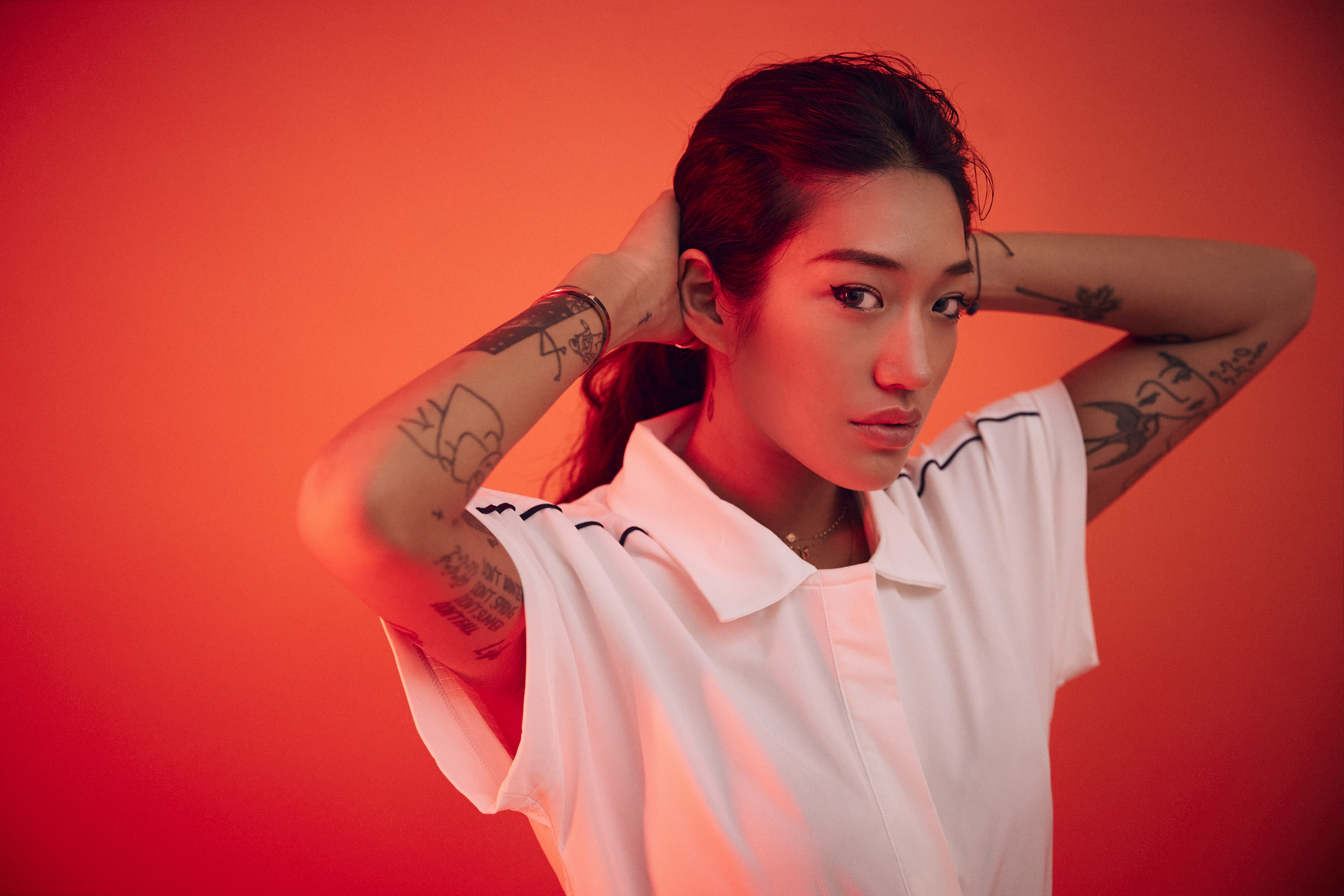
Salvage insists that the shift towards buzzier, club-oriented acts in the past few years has not been intentional. “We’re probably less influenced by hype than we were, and more about whether that artist is actually saying something that people are responding to,” she says. “The irony of course being that we probably have more hype and accolades across our roster now than we ever have. But I think that’s because there’s a genuine authenticity in all of our signings, regardless of genre, and people see that.”
Having started Ninja Tune to avoid being screwed over by major labels, Black and More initiated a 50/50 royalty split between artists and the label in the beginning, something which holds to this day and is doubtless another reason artists are attracted to Ninja Tune and tend to stay loyal to the label once signed. That and Ninja Tune’s large infrastructure, essential to getting their artists’ music heard by more people and having the resources to enhance releases, whether it’s a 24-hour radio station on Spotify to accompany Anz’s ‘All Hours’ EP, a private WhatsApp group, TikTok partnership and special Instagram filter to bolster Bicep’s second album ‘Isles’, elite stage and tour design, or the killer artwork that graces all Ninja Tune releases, commissioned from world-leading graphic designers, artists and photographers.
A strong visual identity was a calling card for the label from the beginning. The first Ninja Tune logo was designed by Michael Bartalos, while various subsequent incarnations of the iconic Ninja Tune logo featuring a ninja brandishing a record were designed by Kevin ‘Strictly Kev’ Foakes as Openmind. Cunningham says that growing up, he wasn’t exactly a collector of Ninja Tune records, “but they definitely had an aesthetic which was the ninja and which was always in the corner of my eye. They’ve always had quite a power for a visual aesthetic, I would say.”
Coldcut have always used audiovisuals to complement their music and live performances and have released video games with their “multimedia pop group” Hex, created award-winning music videos, and produced A/V works for London’s Barbican Centre and The Pompidou Centre in Paris. In the past decade they’ve also branched into software and hardware. A music remix app called Ninja Jamm was launched in 2013 (the upgraded version, Jamm Pro landed in 2020) and in 2019, Ninja Tune released its first bit of hardware (a first for an electronic music label), the Zen Delay.

Says Black: “When someone like Floating Points or Maribou State gets hold of one and they tell all their mates it’s great, that doesn’t hurt our reputation because, as someone commented on the socials, it’s quite a radical move for Ninja Tune to do that. It shows that we’ve still got some zap and can take a different direction if we want to and mix it up.”
Black and More certainly still have zap, but are careful to point out they’re “not that involved” in running the label, which now numbers nearly 80 staff around the world, with offices in London, Berlin and Los Angeles. “But we think that as granddads, we have some kind of useful input and I think people at the label know who we are and respect what we’ve done as well, so it’s like having one lovely big growing family,” Black says.
They also emphasise the immense contribution of Peter Quicke, who joined Ninja Tune back in 1992, as label manager. “Jon and I, we didn’t really want to run the label because we wanted to make our music and do our creative thing,” says Black. “So many artists say: ‘I wish I could find someone to take care of the business side.’ And Pete did that. We mix music, he mixes people and I think he deserves full credit for the success of the label.”
Quicke was head of A&R until around six years ago, when Adrian Kemp took over, and is now the chair, but like Black and More, he’s less involved in the day-to-day running of the business these days, and more focussed on the company’s sustainability goals and net zero commitment.
Now in their 60s, Black and More could be forgiven for taking a back seat at the label, but despite their philosophy of “employing the right people and letting them get on with the job without interfering,” complete retirement seems unlikely anytime soon.
“We’re going to continue to strive to put out good, cutting-edge music,” says Black. “And even though we’re not a tiny label right on the edges anymore, we still think that we’ve got a sharpness to what we do and the same love and passion for music. We’ve still got it strong, so I think that’ll carry us through.”
Our money’s on another 30 years, at least.
This article first appeared in issue one of Disco Pogo.


