


The guitar isn’t just for hoary macho rockers. Inspired by the expressive soundscapes at which Vini Reilly excelled, a group of unconnected guitarists are delving into the outer reaches of the instrument’s capabilities. From the cosmic country excursions of ambient Americans to Balearic and “dining room goth” north-west strummers, this is music that beguiles as well as soothes. Jim Butler speaks to some of those involved and hails the never-ending ambient chord…
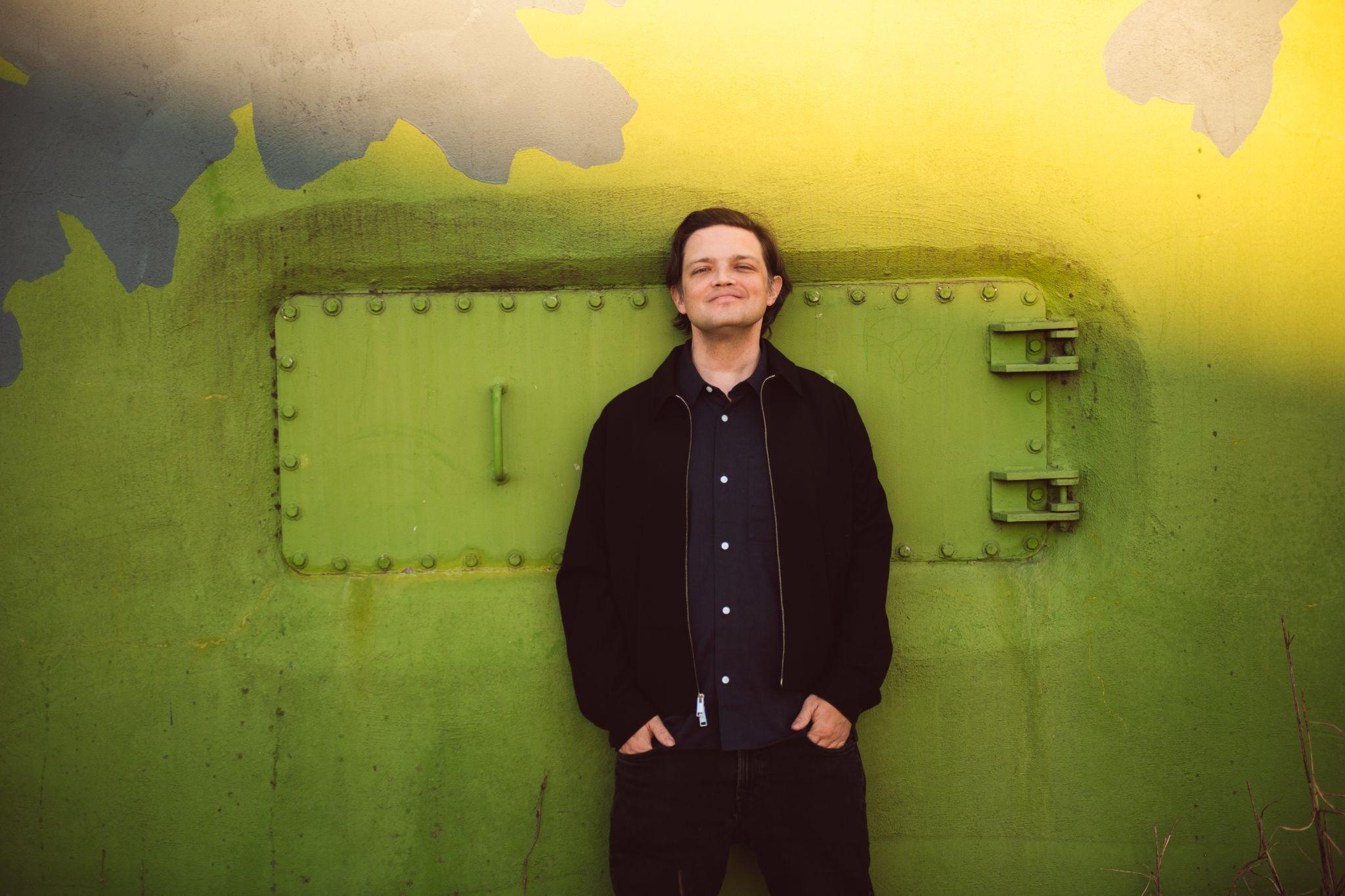
“The guitar is one of those weird instruments. It’s so ubiquitous and it’s been so associated with certain genres of music that are very far from what we would consider ambient, whether it’s rock’n’roll, pop, folk, country or blues. As a guitar player, you have to almost push back against some of those prejudices, frankly.”
From his base in Nashville, guitarist William Tyler is attempting to explain his own resistance to the clichéd depiction of the six-string. Across the course of his close-to-30-year career, he has seen his beautifully evocative instrumental guitar music described in various ways: avant folk; ambient Americana and - given his birthplace and the fact that he joined Kurt Wagner’s Lambchop as a teenager, playing with the band for just over a decade - cosmic country.
All serve a purpose. Tyler’s spacey, dreamlike and filmic playing is wonderfully hypnotic, as evidenced across a suite of comforting solo albums and last year’s beguiling collaboration with Kieran ‘Four Tet’ Hebden. That a pioneering electronic artist such as Hebden should endorse someone like Tyler is apt. Close your eyes and allow the floating textures of ‘Country of Illusion’ (from 2013’s ‘Impossible Truth’) or the abstract Lyle Lovett cover ‘If I Had a Boat’, the lead track from his ’41 Longfield Street Late 80s’ album with Hebden, to transport you somewhere far away and you could be listening to the pastoral electronica of Boards of Canada or Aphex Twin.
“I’m really interested in textures,” says Tyler. “Early on, I started pivoting towards wanting to consciously play more electric guitar pieces. The electric guitar can float a much different way than acoustic guitar, especially the way a guy like Vini Reilly played it.”
There are of course innumerable guitarists down the years who have wrestled the instrument from its stereotypical connotations – chiefly the macho, sexualised guitar solo. From the kosmische German innovators of the 70s, like Manuel Göttsching and Michael Rother, to the atmospherics of the ECM guitarists Pat Metheny, John Abercrombie, Ralph Towner, Steve Tibbetts and Bill Frisell, via early Americana exponents such as Daniel Lanois and Ry Cooder, and British post-punkers John McGeoch, Alan Rankine and Robin Guthrie, plenty have offered inventive alternatives. The figurehead for the current breed is, however, Vini Reilly.
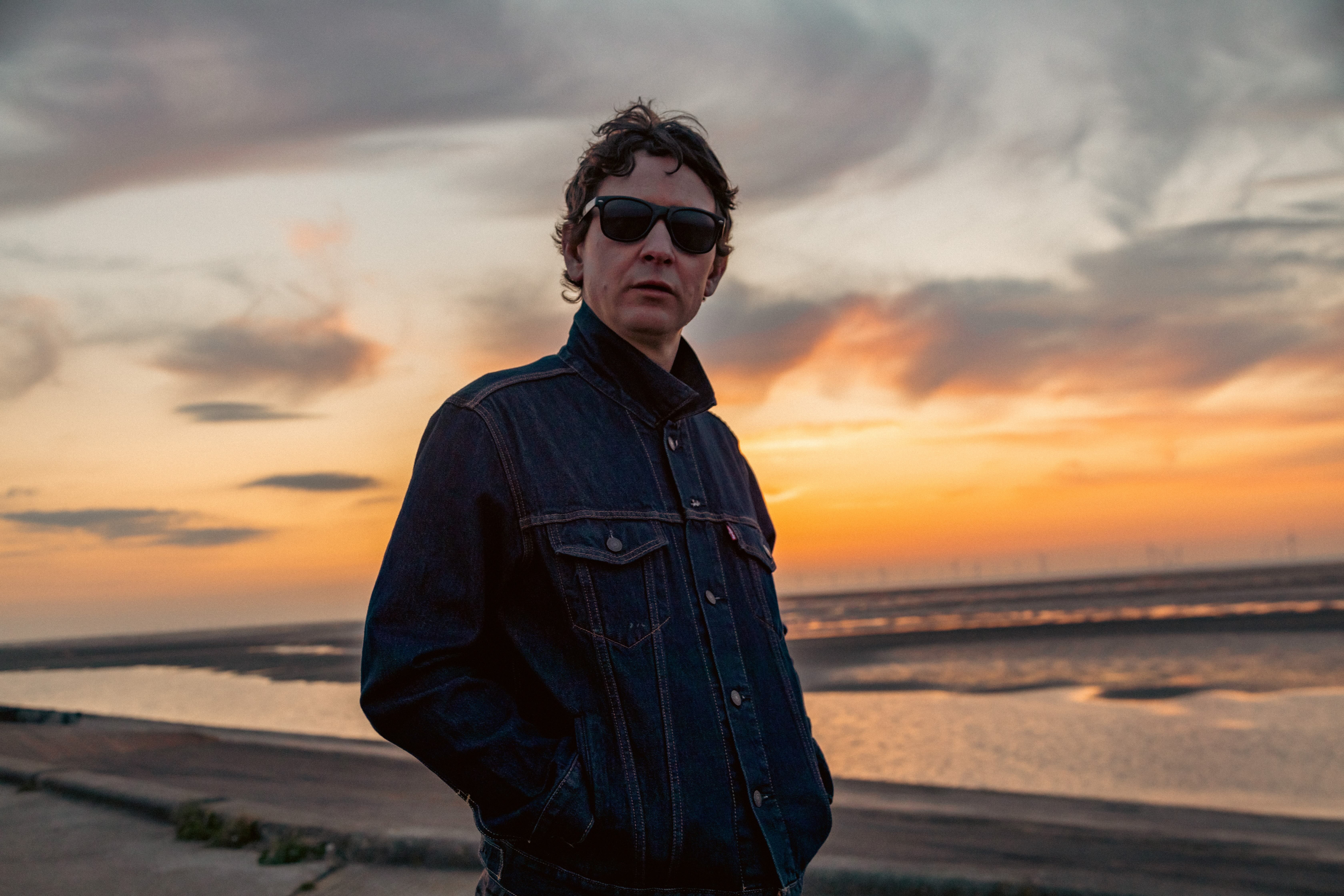
For the solo artists Mark Peters and Thought Leadership, this is as much about geography as it is sound. Peters, formerly of post-shoegaze band Engineers, hails from Wigan, while the shadowy figure of Thought Leadership comes from Stockport. Reilly’s playing in The Durutti Column is redolent of both.
“I know he sang a little bit,” says Peters, “but his instrumental compositions have a real lyrical and melodic sense to them where the rhythm and lead blur. It’s really evocative of a northern kind of rainy melancholy. Sometimes you hear things and you just relate to the sound intrinsically. Reilly was a pioneer in that respect.”
Reilly has also become a familiar reference for those attempting to describe the three accidentally Balearic, jazz-infused, goth-oriented, lo-fi albums released by Thought Leadership. Although, as the clandestine man behind the moniker (“The name came about as a kind of nudge and wink to my actual real job as a project manager. It’s one of those, you know, corporate bullshit terms that gets bandied around”) notes, it comes with something of a twist.
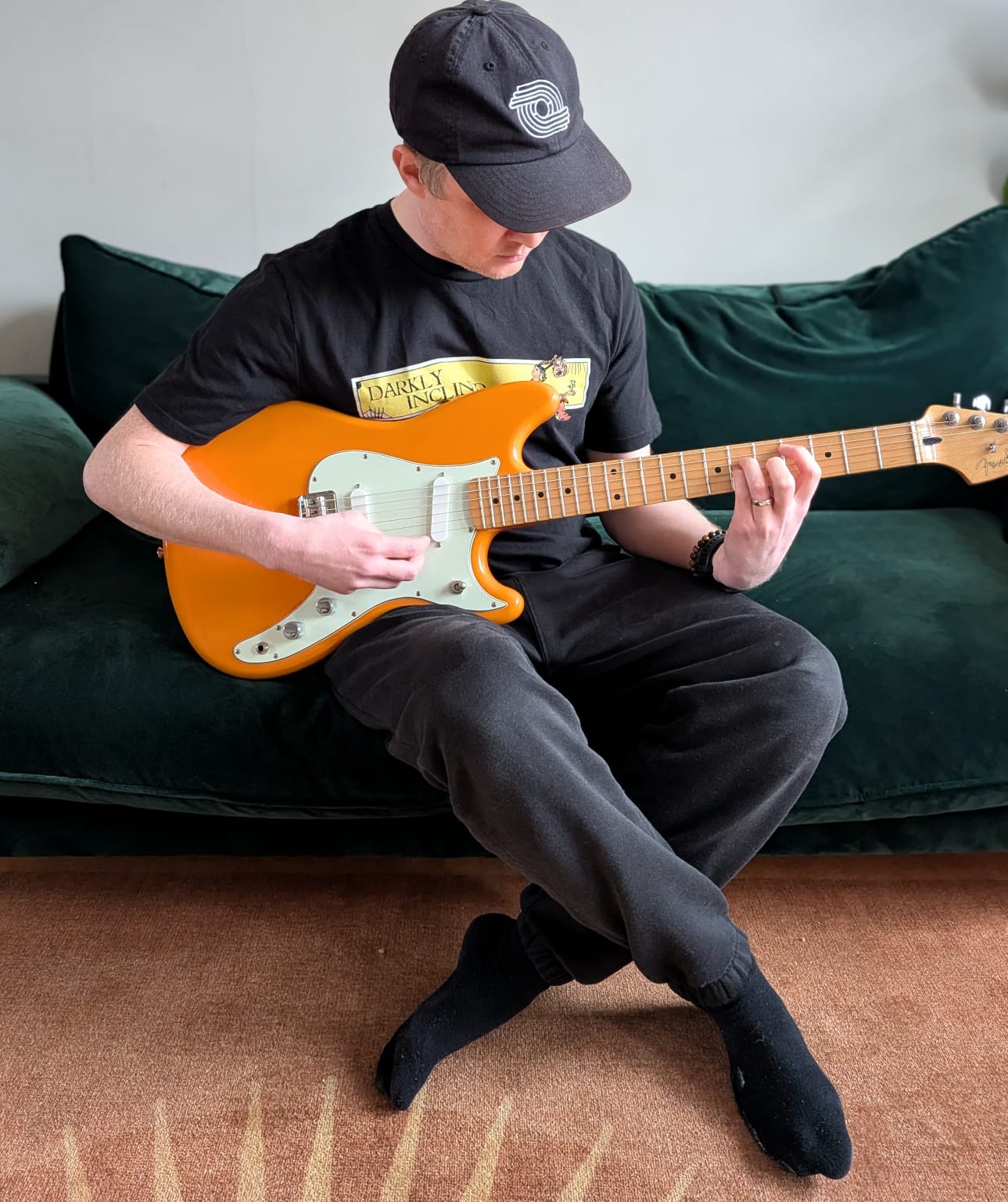
“One review of the first album (‘III of Pentacles’) said it sounded like Vini Reilly, but if he’d grown up in California,” he smiles. And while he doesn’t hear that, he thinks he knows why. “[Reilly] uses a lot of harmonic minor and melodic minor scales, which is why his music sounds melancholy. I gravitate towards slightly brighter modes and harmonies, like mixolydian, which is closer to the major scale and is brighter-sounding.”
Another key figure for Peters in his post-Engineers solo work has been the electronic producer Ulrich Schnauss. Although the German sprang to fame as a downtempo IDM artist – see his debut album ‘Far Away Trains Passing By’ – his second album, ‘A Strangely Isolated Place’, betrayed the influence of guitarists Kevin Shields and Robin Guthrie, the dream pop of their respective bands, My Bloody Valentine and Cocteau Twins, a key ingredient.
Together, Peters and Schnauss released three albums of guitar-led ambient electronica. It was Schnauss’ adventurous approach to music-making – including hanging mics out of the window and recording the traffic outside on their duo’s first album, ‘Underrated Silence’, capturing the ambience of the night – that caused Peters to look again at the humble six-string. “After Engineers I didn’t want to make guitar-led music,” he recalls. “Ulrich said the guitar was a beautiful instrument and all I had to do was recontextualise it.”
Although Peters says his first solo album, 2018’s ‘Innerland’, was “not a genre exercise”, it’s a wonderful example of absorbing guitar-focused cosmic electronica. “I was interested in that dance music aesthetic, where it builds and then you get the payoff,” he says. “It might just rise and become about rhythm. The Orb have always been a big influence; they stand apart because it’s such an inviting space. It doesn’t have that hard edge of a lot of dance music, but it’s got that aesthetic, a quiet sort of euphoria.”
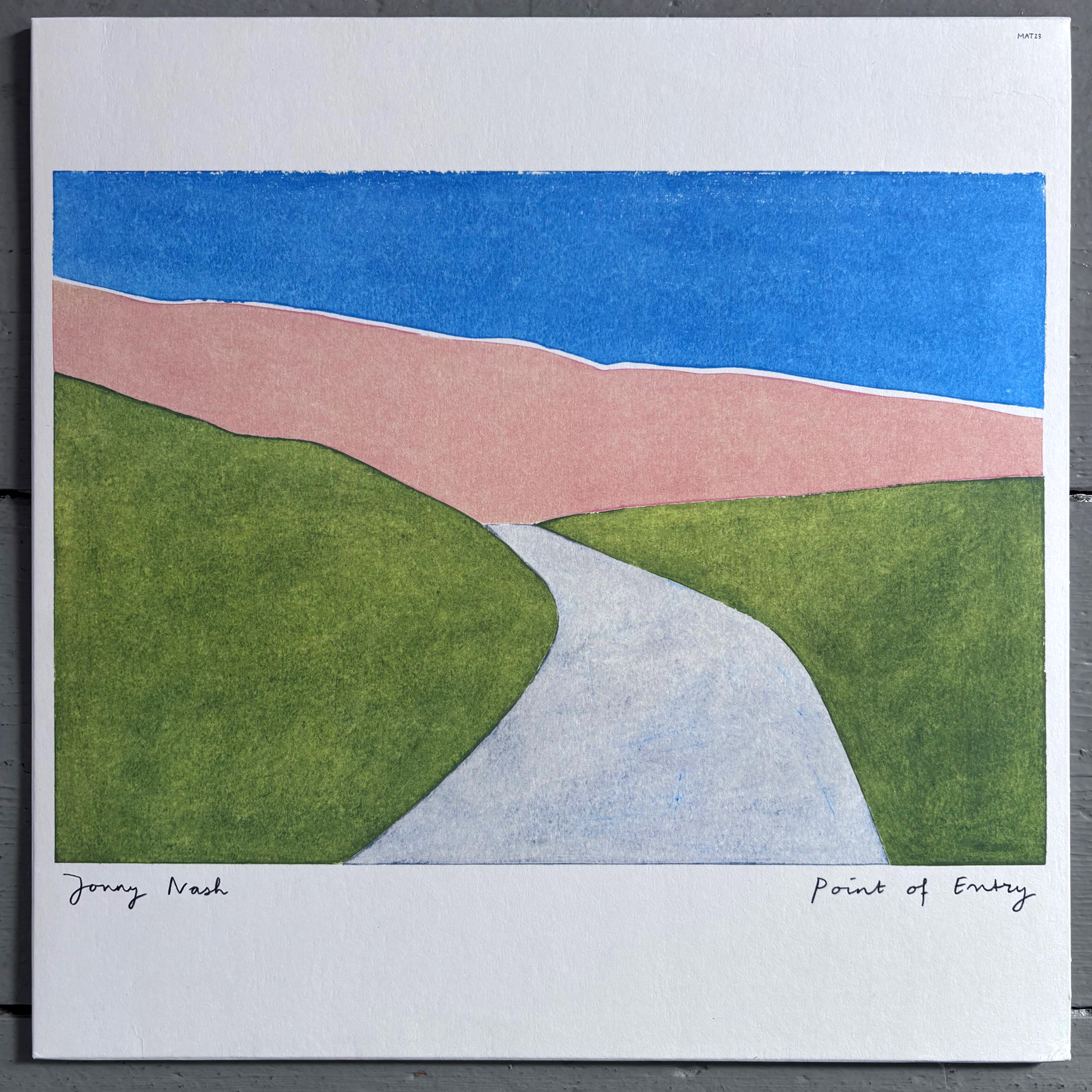
This yin and yang of the authentic and the synthetic makes perfect sense to another imaginative guitar slinger, Jonny Nash. Though he released ‘traditional’ ambient music on his Melody As Truth label, his last two solo efforts (he’s also a member of the ambient trio Gaussian Curve alongside Gigi Masin and Young Marco), ‘Point of Entry (2023) and last year’s ‘Once Was Ours Forever’, have highlighted a new subtle sonic direction, one propelled by the guitar, the instrument on which he can best “express my musical ideas”.
“I spent a lot of years producing electronic stuff,” he says. “Using synths, rack-mounted gear, patch base… that’s what I learned a lot on. Gradually I’ve moved towards mics, amps, pedals… it’s like working as an indie rock band would, but with all this knowledge of electronic production. I can sprinkle a little bit of that on and then it becomes interesting. I really enjoy contextualizing the guitar stuff in that way and I think that’s maybe where I sit in this thing.”
“This thing” indeed. What is this thing? It might be an off-the-cuff remark, but Nash raises an interesting point. This is neither a scene nor a movement. It is, rather, a free-floating, largely amorphous and instrumental sound that rejects rigid categories. On Bandcamp, Nash’s ‘Once Was Ours Forever’ is tagged with the following categories: ambient jazz, dreampop, folktronica, modern classical, shoegaze and Balearic. On the same platform, Thought Leadership is described thus: ethereal wave, improv, jangle, cosmic and, best of all, dining room goth. As William Tyler astutely notes when discussing genres: “There’s so much guitar music that doesn’t really sound like guitar music. I can’t force myself into a genre. Ambient Americana, cosmic country… whatever you want to call it. It’s like, tomato tomato.”
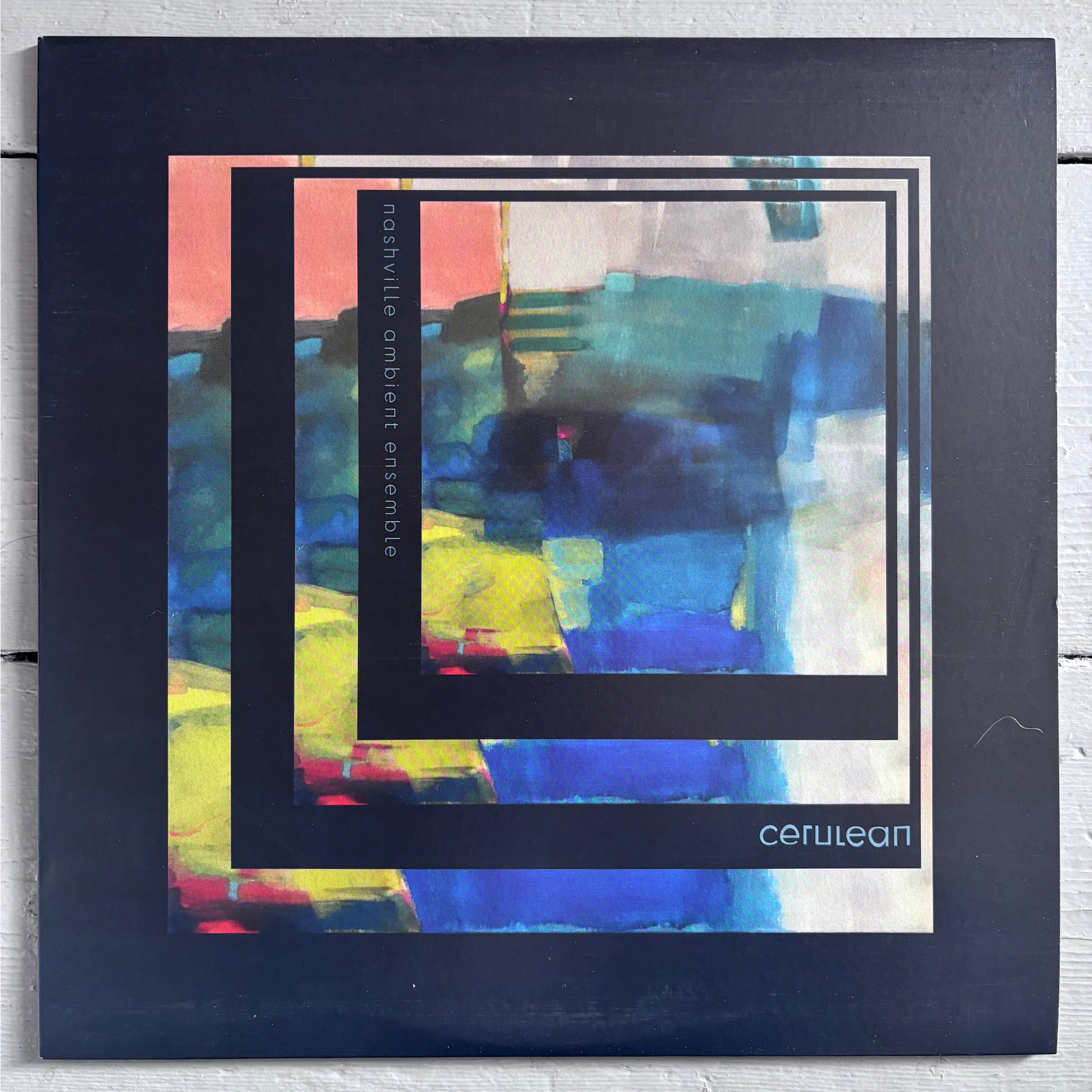
The shapeshifting sound, then, means inclusion is largely in the eye of the beholder. As such, alongside William Tyler, Thought Leadership, Jonny Nash and Mark Peters, the likes of Raymond Richards, Andrew Tuttle, Dean McPhee, Duncan Marquiss, North Americans, Hayden Pedigo and the wonderfully named Nashville Ambient Ensemble can all be enlisted. Tangentially, the blend of soundscape-drenched atmospherics and hushed, almost nonsensical vocals found in shoegaze and dream pop (think Slowdive, Seefeel, Chapterhouse, Lush, Cocteau Twins and co) influenced another wave of electronic producers and bands in the 00s, like Schnauss, M83, Washed Out, Neon Indian, Bibio, Toro Y Moi and more. In turn they have gone on to influence today’s artists whose obsession with sound is everything.
In short, it’s a rich mix and the most evocative artists are those who cast their palette far and wide. “It’s always better when these things are flavouring the soup a little bit rather than taking it too literally,” says Peters.
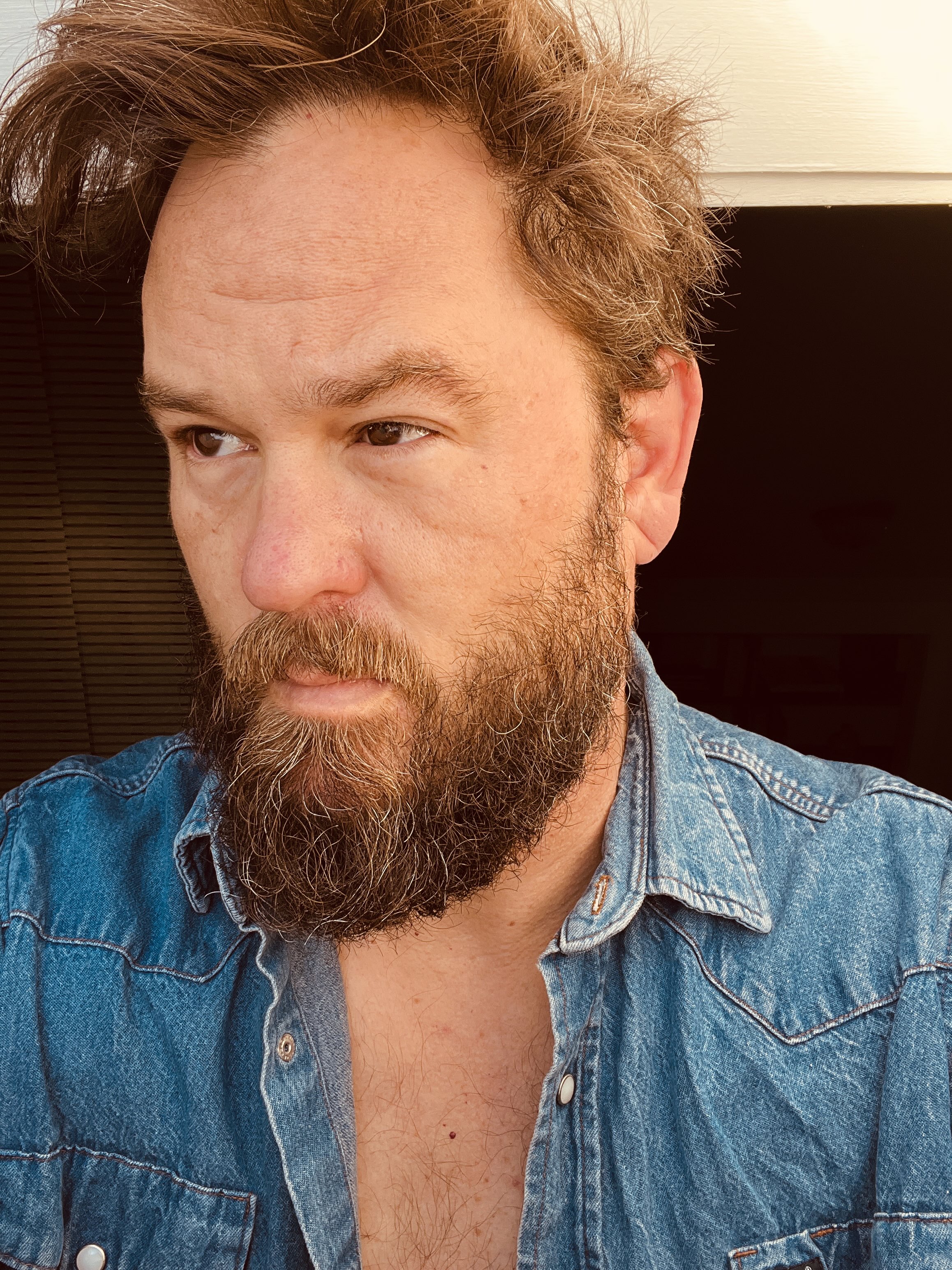
The American composer, producer and pedal steel guitarist Raymond Richards concurs. Even when he disagrees with critics or listeners regarding comparisons or influences, he’s “happy to be at the table”, he says. His 2020 album, ‘The Lost Art of Wandering’, was a sleeper hit during the pandemic, its immersive and contemplative pedal steel-led rhythms chiming with listeners who wanted to be transported elsewhere. Written at the behest of Andrew ‘Lovefingers’ Hogge and recorded for his ESP Institute imprint, ‘The Lost Art…’ has sent Richards down a path of writing and recording that he admits has become “hard to stop”.
Like that most contentious of musical categories, Balearic, this music is best classified in terms of an approach. What is it that makes the guitar so adaptable?
“I think it has to do with being able to ‘touch’ the music,” says Richards. “Having your hands on a vibrating string is a feeling of freedom and possibility to me. I’ve spent so many years developing my voice on the guitar, and I feel like it has become distinctive. I use synths and vintage drum machines a lot, but the pedal steel guitar is where I feel most capable. I also find that it naturally makes a very hazy, amorphous sound that works very well for creating ambient textures when paired with a tape echo and some heavy reverb.”
Richards recently discovered that his grandmother was an accomplished steel guitarist. “I’m sure there is something genetic happening there, putting a metal bar on a string and making a note sing in tune is pure witchcraft at some level.”
Voodoo aside, it’s also about technique and tone , says Peters, “and exploring how little you can get away with. Exploring the space between the notes. It’s that Mark Hollis thing isn’t it? ‘Before you play two notes, learn how to play one note’”.
It’s this absence of sound allied to the lack of vocals that fosters this emotive, almost weightless music. Here, Peters highlights John Abercrombie and Hungarian guitarist Gábor Szabó as primary influences. For Thought Leadership, the common denominator is the use of effects: “Guitar plus chorus and delay,” he enthuses. “I’m a sucker for anything with that on. Most artists in this field will use some form of modulation – chorus, flanger and phaser – plus delay, sometimes with reverb.”
The human touch can’t be discredited. For those who struggle with electronic music in its various forms, a familiar sound, in this case the guitar, can be a way in - a gateway to a new world. Less a surreptitious drug than a Trojan horse.
“It’s a good point,” notes Nash. “I only have to look at my wife as an example. She doesn’t like it when I put on ‘electronic’ music; she says it’s just bleeps and bloops and stuff. But the guitar is a recognisable sound. Some people respond more to the human touch, so, yeah, maybe the guitar is a way for people who wouldn’t ordinarily listen to music without vocals to move into new territories.”
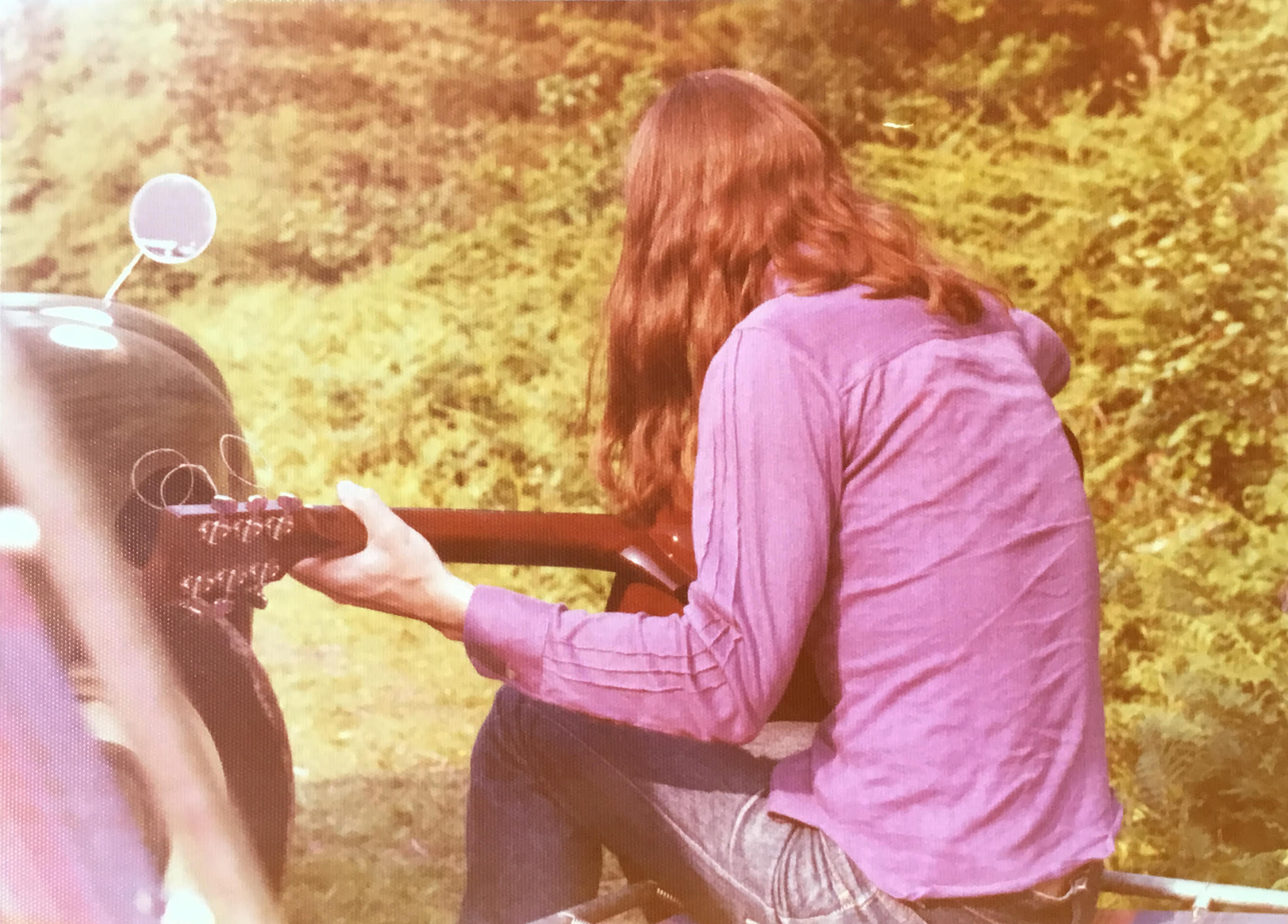
In the last few months, these six-string transmissions have had a full-circle moment. When Vini Reilly was recording the first Durutti Column album in Stockport’s Strawberry Studios in the late 70s, the guitarist Kevin McCormick – barely separated by time and space – was nearby, recording two influential albums that have gone on to have a huge bearing on modern-day ambient guitar sounds (although, as he notes, it wasn’t called ambient then, just “spacey”).
The first was ‘Light Patterns’, a collaboration with David Horridge, whom McCormick met in the early 70s when they worked for the civil service in Manchester. “There was no intention originally to record; we just enjoyed jamming together, discovering that when we played instrumental pieces it felt almost telepathic,” McCormick explains.
The duo were at odds with almost all the music fermenting in Manchester. Rather than being inspired by New York Dolls or The Stooges, McCormick’s touchpoints were a plethora of ECM guitarists - (“[Eberhard] Weber, [Pat] Metheny, [Jan] Garbarek and [Ralph] Towner”, whose ‘Trios and Solos’ album had exploded his “view of guitar music”.
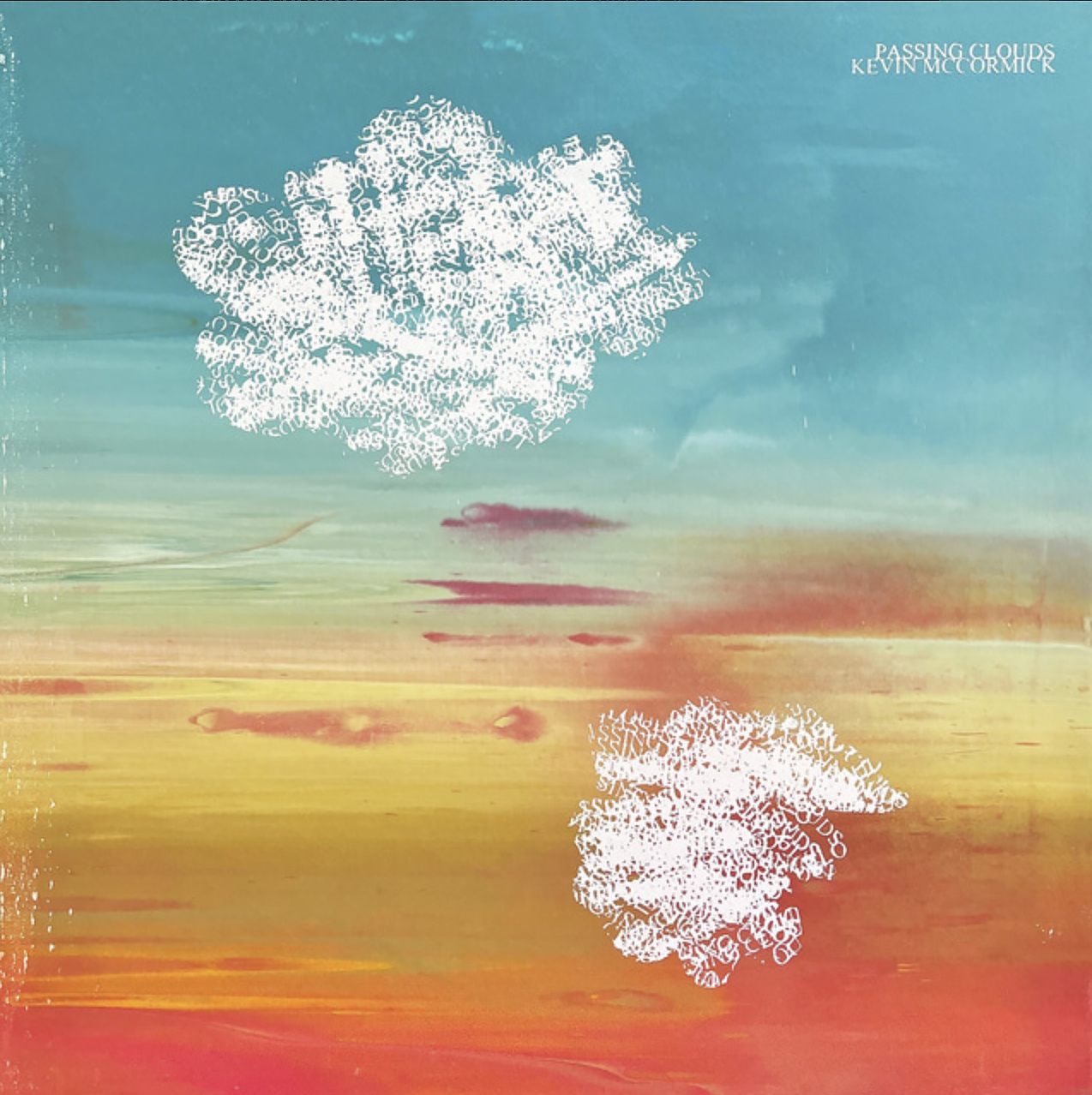
After he and Horridge went their separate ways, McCormick continued to write and record these minimalist instrumental scriptures. One such set of recordings, the hypnotically faint ‘Sticklebacks’, was finally released by the Santa Cruz label Smiling C in 2023. This resurgence of interest in McCormick led to the release of the equally spellbinding ‘Passing Clouds’ in 2024. Comprising nine fresh recordings of McCormick’s jazz-inflected, barely-there, freeform excursions, it magically captured the landscape of the north west.
Echoing the thoughts of Raymond Richards, McCormick believes the guitar has a soul and memory. “It becomes your confidant and friend,” he says. “It bends to your mood and easily plays almost any form of music. The intimacy of hearing my fingers on the strings and how I can shape the note just with touch is inspiring to me.”
Earlier this year, a new duo from Stockport (Gordon Milson and Mark Rayner) approached McCormick with a view to working on their debut EP. Arrival’s ‘One’ brings the ambient guitar experiments McCormick began formulating 40 years ago bang up-to-date. Pleasingly, Thought Leadership provides a spaciously meditative mix of the track ‘Common Place’, while the EP is released on Balearic maestro Jason Boardman’s superb Before I Die label. It feels like a coming home moment for McCormick and the arrival (sorry!) of a brand new talent in this thing.
Of course, this thing is no such thing. And yet it is everything. In these frightful times, the six-string try-outs transport listeners to a place of their choosing. They provide succour and an opportunity to reflect. There’s no manifesto, besides turn off your mind, relax and float downstream. Come in, cosmic country-dream pop-abstract ambient Americana-avant folk-future jazz-accidentally Balearic-dining room goth, your time is now.
This article first appeared in Disco Pogo issue 9


