.svg)
Rave’s free party movement reached its zenith 30 years ago, when the likes of the DiY and Spiral Tribe sound systems were shepherded onto six square miles of common land in Worcestershire. Over 30,000 revellers eventually decamped upon Castlemorton, creating a town “ready to party”. As a new memoir from DiY founder member Harry Harrison and documentary reveal, however, it wasn’t just about hedonistic seven-day benders. DiY associate Tim Wilderspin remembers more idealistic times…
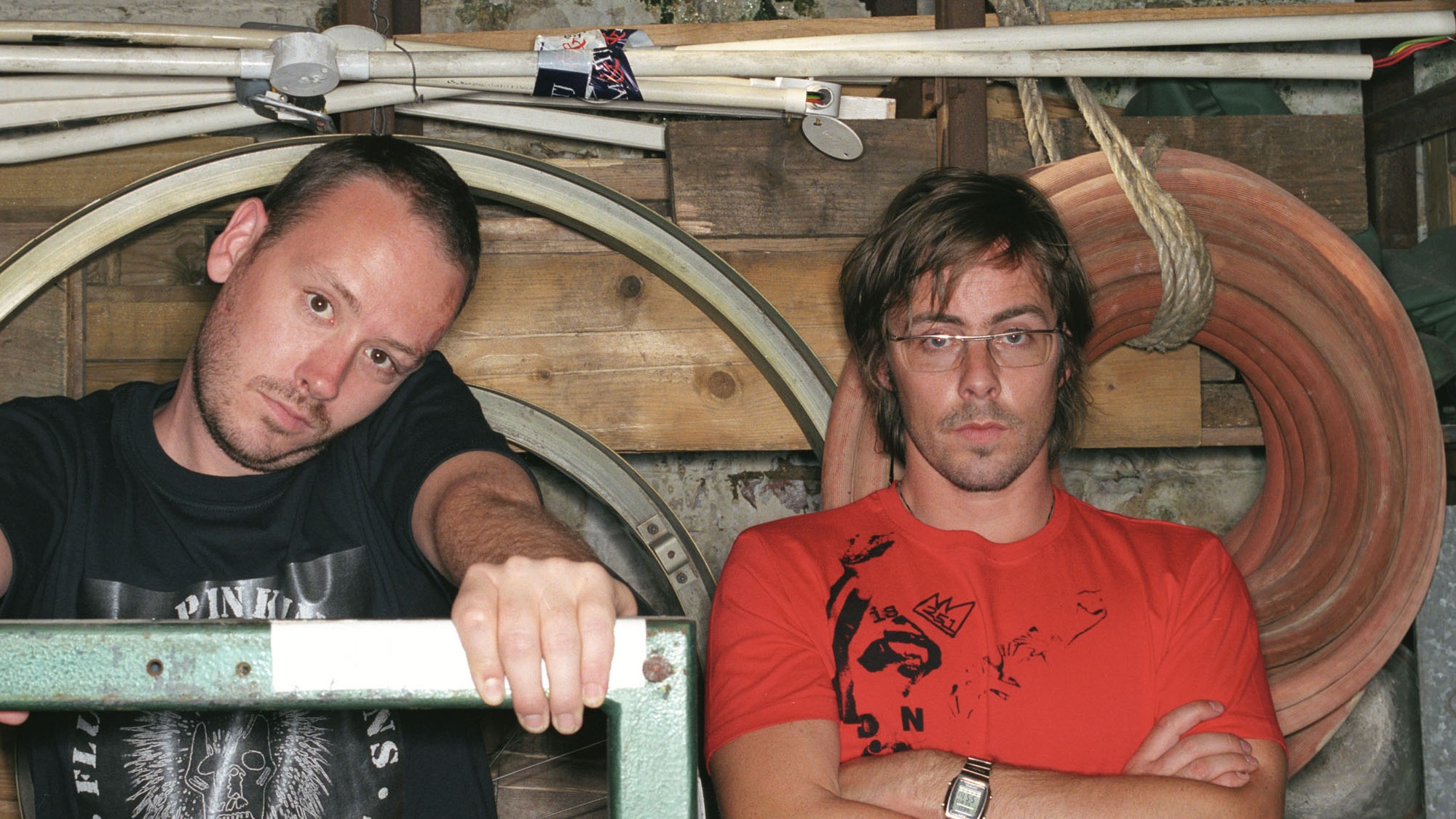
When Harry Harrison set foot in Nottingham’s Garage club in 1989 for his 23rd birthday, he was effectively boarding a runaway train – a train that would constantly threaten to derail, had nothing to eat in the buffet car and certainly no quiet carriage. For this was the first of countless nights the infamous DiY Sound System would promote over the course of three decades of dance, drugs and dissent.
Once dubbed ‘The most dangerous people in Britain’, the core figures of this collective were Harry, Pete Woosh, Rick Down and Simon DK. And, actually, they were among the loveliest people one could ever meet (I know, having been involved as a DJ/producer from early on), but they wanted to smash the state, using ‘fun’ as a weapon: extreme fun.
Their genesis can be traced to Bolton in the early 80s, where teenagers Harry and Pete bonded over a love of Factory Records and anarchist literature. “Small in stature but great of heart” Pete played “music from genres I didn’t even know existed,” according to Harry in his eye-popping new memoir ‘Dreaming in Yellow’, an account of the DiY Sound System.
Ending up in Nottingham, where Harry became a student, they met another kindred spirit in Rick Down from Stockport. Incredibly tall, in contrast to Pete who would become his DJ partner, he was also there to study. A lover of hip hop and flamboyant dancing, “he was like the rhythm section of DiY,” Harry surmises. Rick also had the ability to fall asleep on his feet, like a horse, and skin-up whilst unconscious.
They were soon discovering the joys of ecstasy and house, via Graeme Park at The Garage, and moved in together in early 1990. Amorphous plans were fermented over late-night discussions wreathed in smoke, when one night a friend of a friend knocked at the door to sell them some speed. It was Simon DK. This quietly charming ex-punk would go on to be “The Keith Richards of British house and DJ of the month in i-D, The Face and DJ mag,” yet he had, as Harry further writes: “No interest in wealth or status… and a pathological ability to fuck up.”
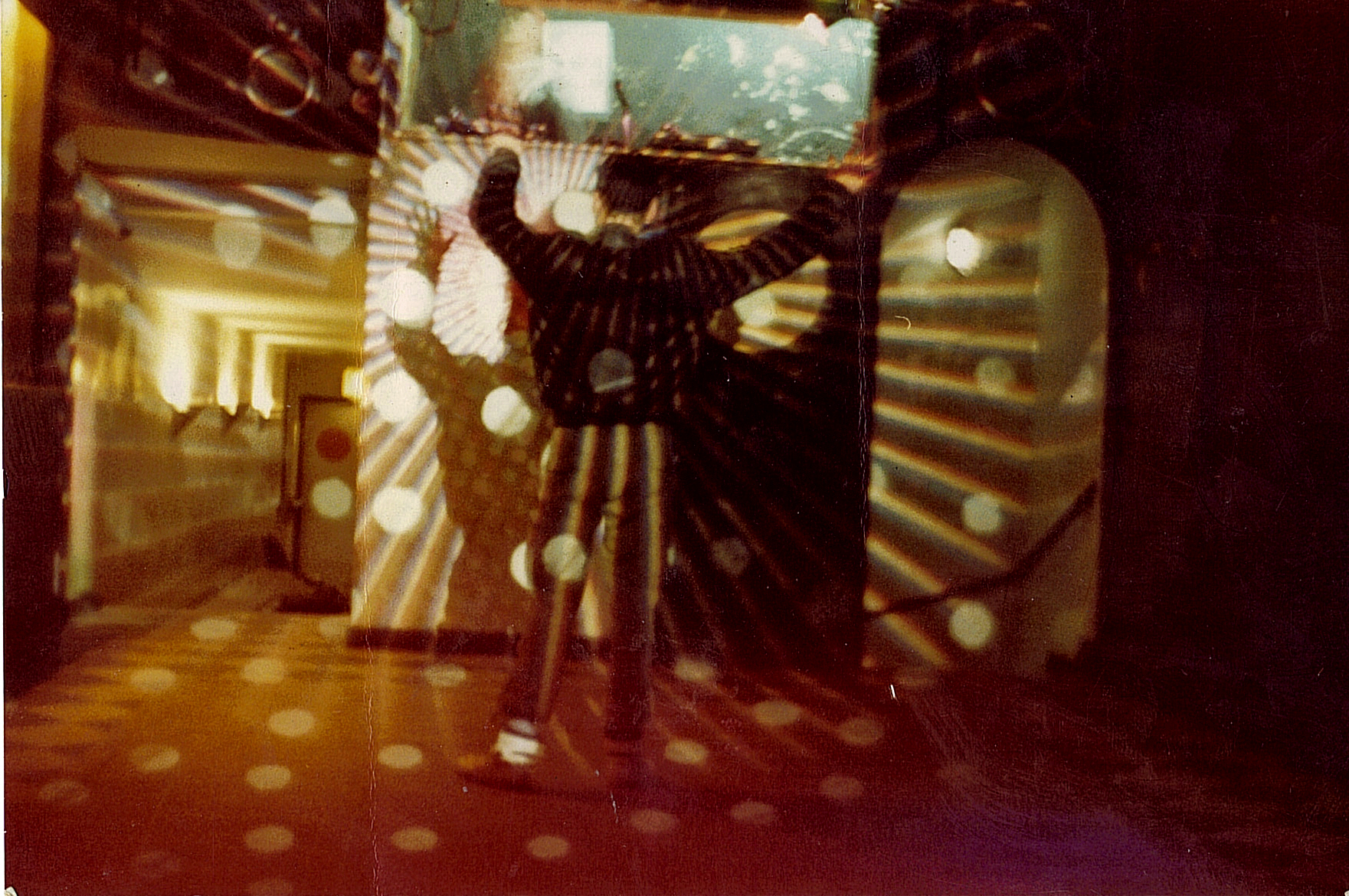
Prompted to do it themselves for Harry’s 23rd after attending some disappointing, pricey raves, DiY embarked on a succession of chaotic squat parties. But it was their love of the odd bucolic bender at the free festivals that led to the moment, at Glastonbury 1990, when a great coming together occurred that would characterise an entirely new movement.
Arriving at the ramshackle free field with nothing but decks, Harry writes of bumping into Jack, a DJ they’d recently enjoyed at a Nottinghamshire house party. He was to become one of the crew’s most popular DJs and, crucially, act as the bridge between the travellers and ravers.
“Jack excitedly informed us that some travellers he knew had set up a marquee. They had a sound system, he had records … but did we know anyone with decks? Well, funnily enough…”
DiY strode into that marquee and, according to Harry: “Our world would never be the same again.”
Beautifully elucidated in the book, a mythical weekend ensued: travellers grooved with clubbers, a goggle-eyed Bez communed with a horse; the KLF’s Jimmy Cauty also appeared with a demo, ensuring future top five single ‘What Time is Love?’ was given its first public airing. DiY, however, weren’t the only Petri dish for this social experiment. Wandering about, Harry discovered a young DJ Harvey spinning for Tonka – the first house sound system in existence – creating similar scenes in another marquee.
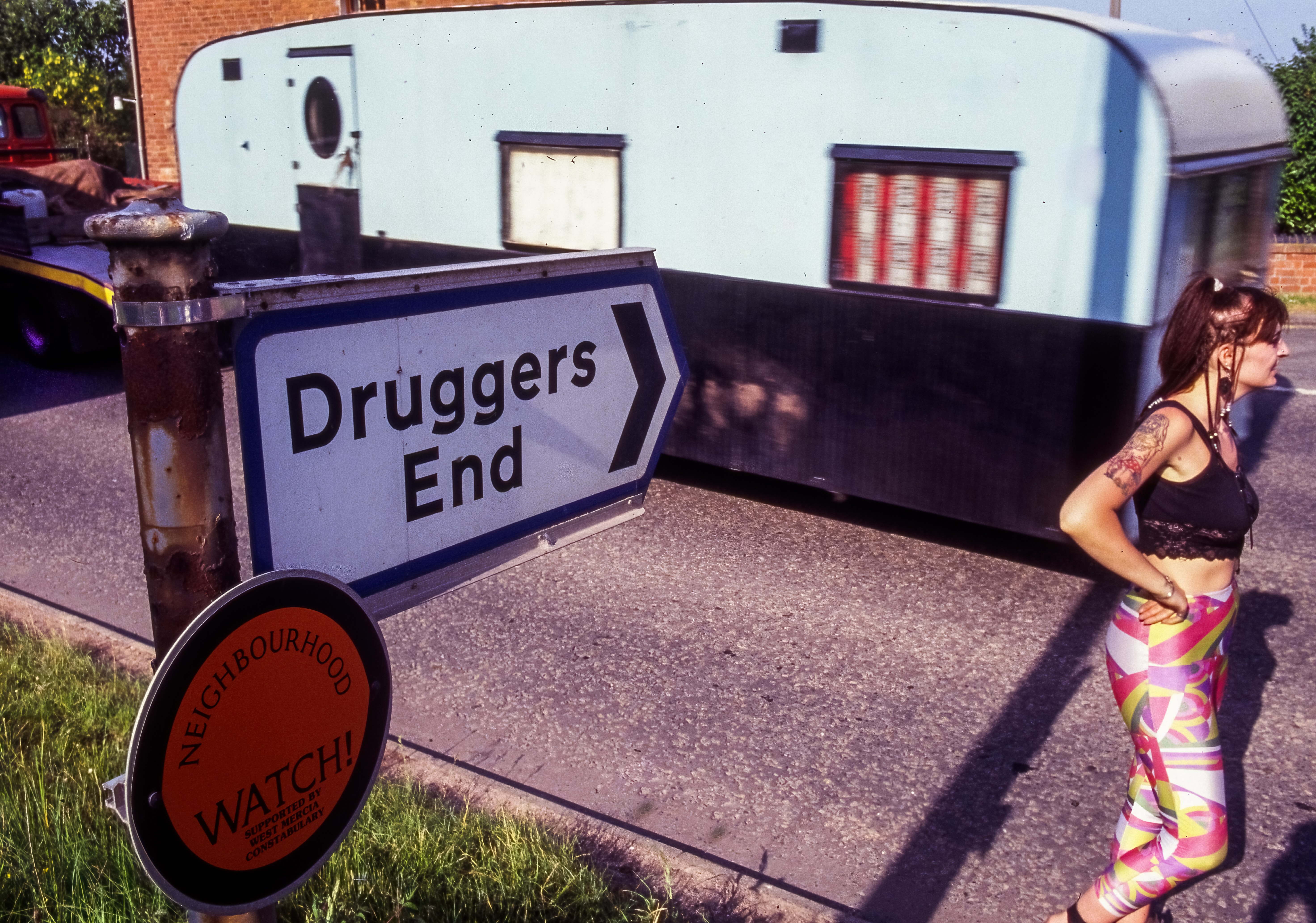
From this point, a brand new culture emerged. The travellers got a taste for house and ecstasy and began to invite urban ravers onto their sites to play, often for days on end. These became known as free parties, due to the completely voluntary nature of everyone’s contribution. The older travellers, perhaps recalling the extreme police violence at 1985’s Battle of the Beanfield, were initially reticent, but the younger ones, calling themselves The Free Party People, rushed at it headlong.
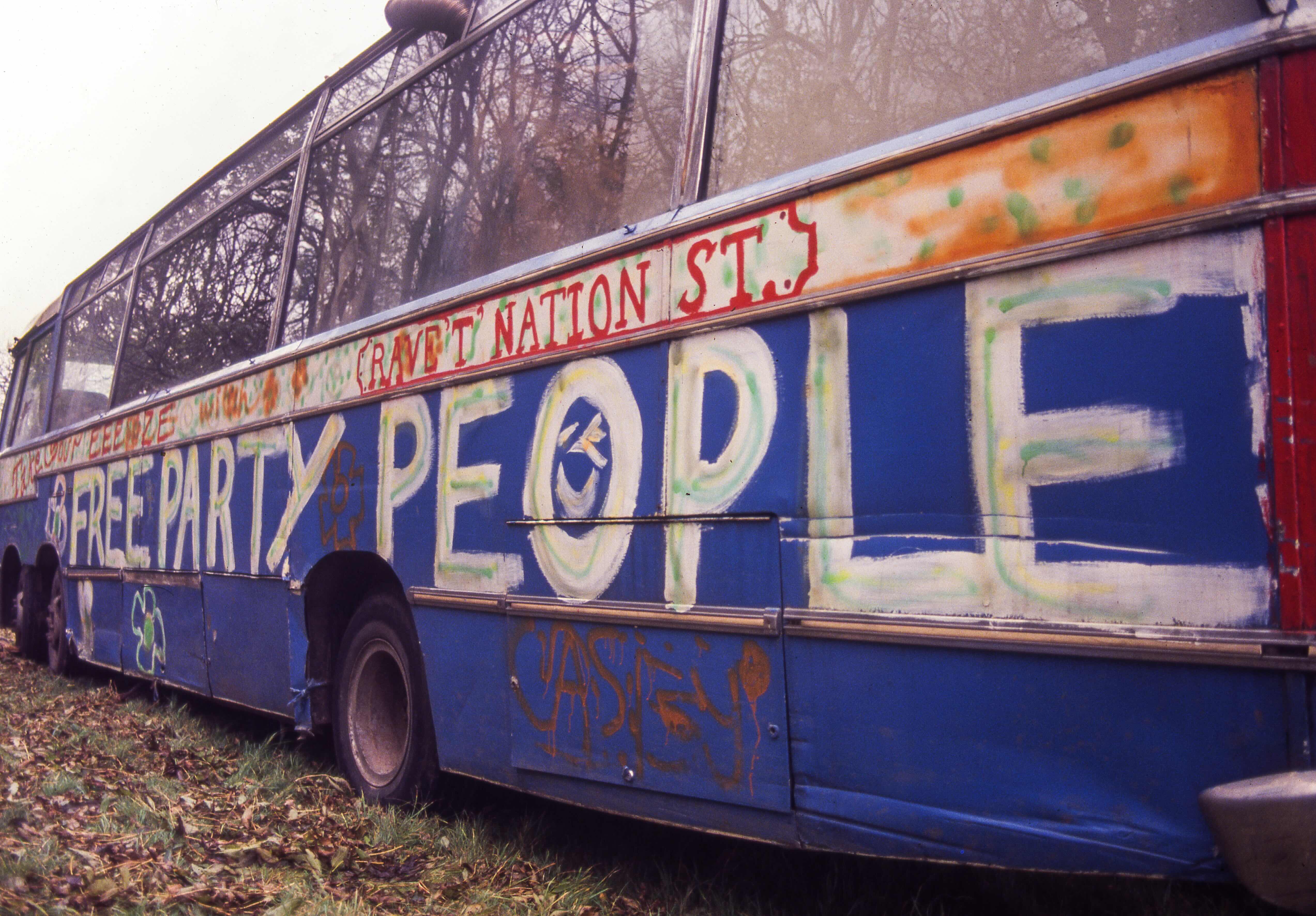
Soon, other sound systems began to get involved, most notably Spiral Tribe, who’d done a few squat parties in their native London. Their chief instigator was Mark Angelo, who tells of their epiphany with the travellers and DiY at Longstock (a site where travellers had been forced to celebrate the Solstice in June 1991, instead of Stonehenge); but he also talks of witnessing, in microcosm, the forces they would come up against later, on a grand scale at Castlemorton.
“There were a load of little kids, all naked, playing in these big muddy puddles and just loving it,” he recalls, “and these cops, including the chief, were just standing there, arms crossed with sneers on their faces, just calling to these kids and their mothers about how disgusting and filthy everything was, and it was just utterly shocking that they were stooping to such low levels to reinforce that sense of authority – over this really playful, joyful scene.”
It wasn’t just the travellers’ lifestyle the police and public didn’t understand, they could never get their heads around the concept of a free party: that anyone on Earth was free to attend and, unprecedented in youth culture, no one was in charge or profiting from it, contrary to the very fabric of capitalism.
For charismatic motormouth Harry, this was the least of it: “To me, the most fascinating thing is that ecstasy and house music arrived at the same time. The coincidence is just extraordinary. It’s almost like it was planned and that there is a God and there’s a God of pleasure. They both combined so beautifully.”
Alongside Harry’s book, a film ‘Free Party: A Folk History’ is currently in production that will try to evoke the thrilling culture that was exploding back in the early-90s. For film-maker Aaron Trinder, it was the extreme cross-pollination of diverse social groups that was so startling.
“I remember standing next to a Yardie,” he says, “with gold teeth, speaking patois, and both of us seemingly best mates for the ten minutes we were chatting, next to a crusty with a dog, next to a Hooray Henry with a comb over. This amazing combination of people who would usually hate each other before; and perhaps since. And I think when you get all those people together in the same space, it felt quite alarming to the status quo.”
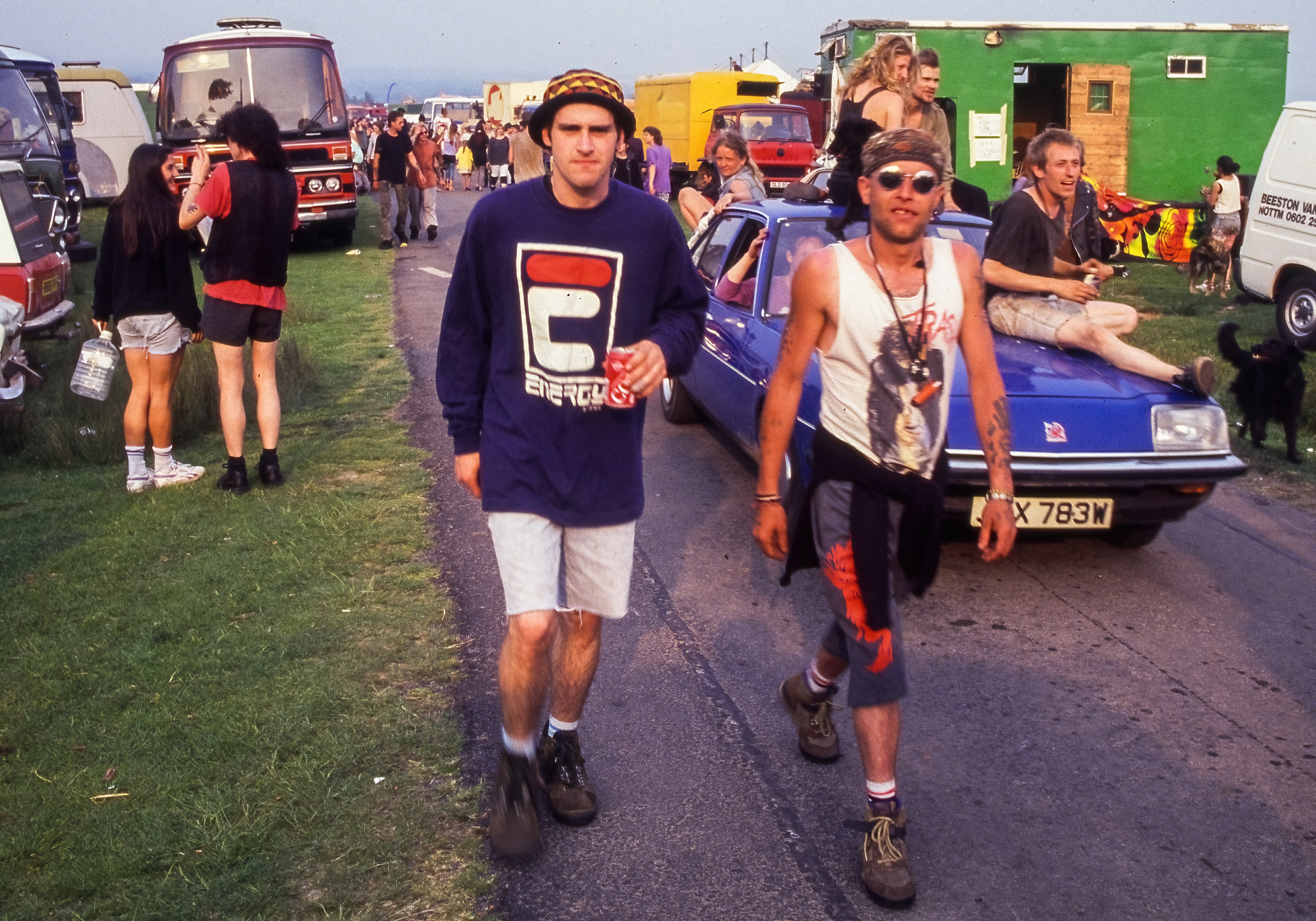
Previous music revolutions were generally soundtracked by one type of sound. Not so here. Spiral Tribe and DiY couldn’t have been more dissimilar. The Spirals, along with many others, favoured a quick-fire breakbeat sound, incorporating techno and hardcore elements.
“It was heralding new possibilities,” Angelo enthuses. “It was as if it was an alien language, coming from some distant, unknown future and sort of beckoning people towards that.”
By contrast, DiY’s sound was more submerged in Black American club music. “We were house purists,” Harry states. “From 91/92 the music went everywhere… drum’n’bass, techno. We just stood our ground really. That’s where the magic lay.”
By 1991, DiY had their own huge, purpose-built sound system and were running their highly successful Bounce club nights to help fund the free parties. However, in a typical display of either anarchism or downright flakiness, they had such huge guestlists they were tossing all the big bucks away.
“People were always saying we could make more money,” Harry laughs. (It was like) We know that! We’re not trying to make money; we’re trying to change the fucking world.” By dint of a no-nonsense desire for action and lack of aptitude for DJing, Harry had naturally become DiY’s central organiser.
As Digs and Woosh, Rick and Pete were connoisseurs of eclecticism at their Serve Chilled nights, and other DJs were beginning to feature in the collective like Jack, Emma, Pezz and Pip; but DiY’s signature sound was truly helmed by the figurehead DJ, Simon DK.
“American house was all he bought,” Harry gleefully remembers, “He knew fuck all about hip hop, he knew nothing about soul, funk or disco. He just became obsessed with this slice of music. And because he was just so utterly stuck to his groove a lot of people say he was the greatest DJ they ever heard.”
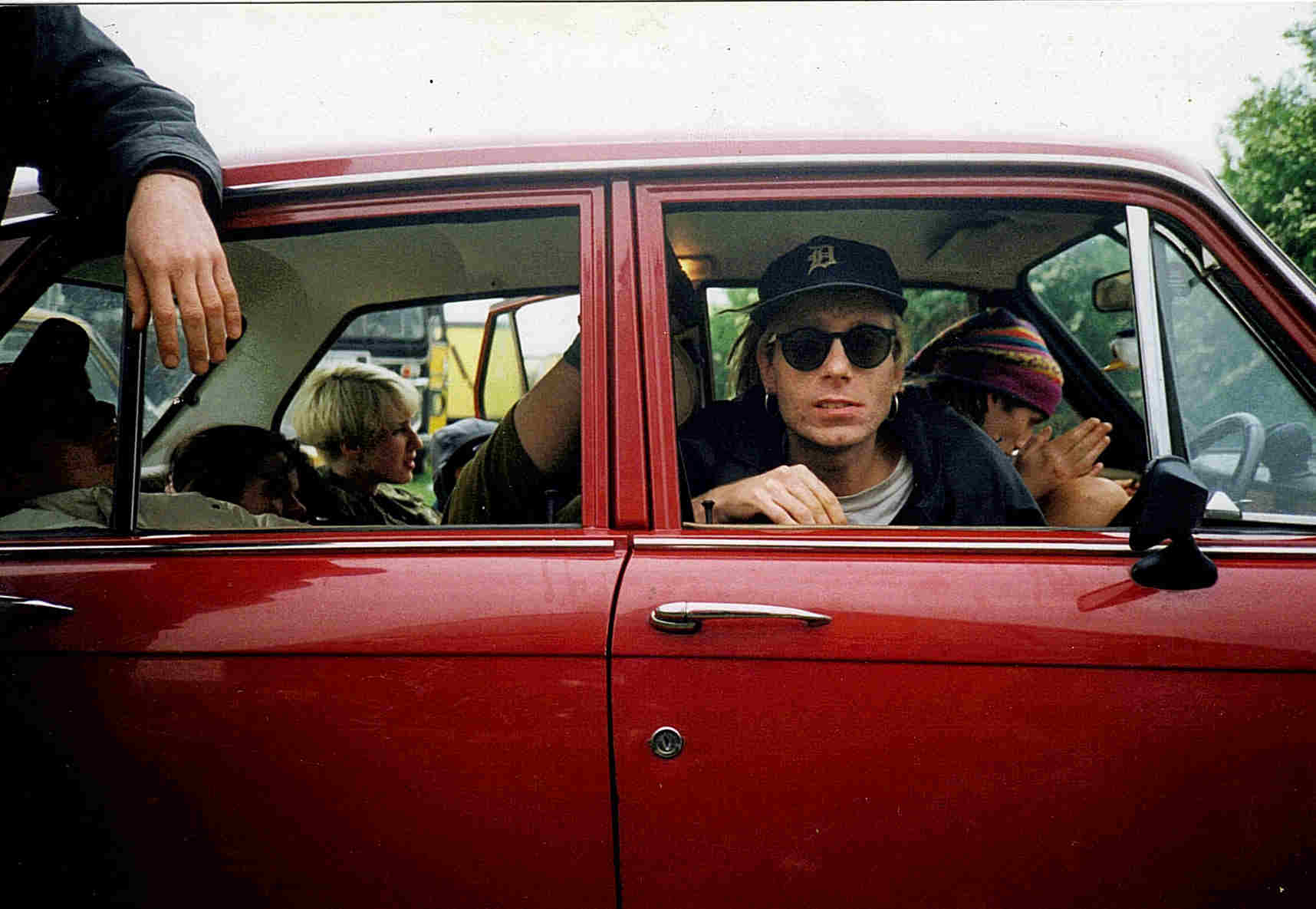
Indeed he was. Whether playing in the crazed cauldron of Bounce or the bracing wilds of a hillside, he never failed to deliver a throbbing revelation of what music could do to your body and soul. Well, except when he was being held up by two people and trying to play a slipmat, but that was rare.
By 1992, what had been a curious, eccentric aberration of dance culture was now turning into an essential lifestyle choice for the savvy, young gadabout. DiY and Spiral Tribe were seeing numbers rocket at their parties, and they were soon doing them every weekend, including holding them in quarries and disused airbases.
Ever since the 1990 Entertainments Act which penalised anyone found guilty of organising an illegal rave with a fine of £20,000, it had been a game of cat and mouse involving last-minute announcements on pirate stations or answerphones. As the scene escalated, the battle between the scowling state and the beaming bacchanals would take some nasty turns.
“We were relentless,” Harry states. “We were on a mission. We never really knew what that mission was, but we just knew what it wasn’t. I think we would’ve died for it at one point. We would’ve laid down our lives for what we were trying to do.”
Prevented from accessing a site at Moreton Lighthouse on the Wirral in July 1991, DiY took the snap decision to ram a line of police Land Rovers and a policeman was run over. When the full riot squad turned up, countless locals, scallies and gangsters emerged from a nearby housing estate in a surprising show of support for the party interlopers. Incredibly, the party went ahead. There then ensued what Harry’s describes in the book as: “The single most infamous, lawless and deranged event that DiY were involved in, which is quite a claim.”

It wasn’t just the police that could ruin things. Hardened criminals would ramp up the instability by marching in and attempting to rob, selling dud pills or raiding a contribution bucket for the generator. Harry recalls a lot of enmity between the gangsters and travellers at Moreton Lighthouse.
Spiral Tribe developed a neat trick to offset this: “When we were fluffy and colourful, we had more robberies and guns on the dancefloor,” Angelo says. “So we just painted everything black: the buses, the trucks. We shaved all our heads and wore black, and the next weekend the same wannabe-gangsters were down but were too busy dancing and having fun to cause any trouble.” He laughs: “They liked it more. It was a facade and it worked. That was our shield.”
As what would become Castlemorton approached, Spiral Tribe were left in little doubt about what the police were capable of. On Easter Monday 1992, at the end of a three-day party in an Acton warehouse, massed ranks of riot police outside began kicking and using batons on late arrivals.
“They’d all come in, covered in blood, screaming, into this party with a thousand people in there,” recalls Angelo. “And this went on for two-and-a-half hours. Finally, they came through the walls, smashed them down, there was water flooding everywhere. It was absolutely brutal; they were just beating everyone to the ground. They smashed all our equipment - everything - smashed the decks, kicked in all the speakers.”
So it was that, about a month later, Spiral Tribe found themselves effectively limping onto the site of what would become the largest illegal rave in history, battered and bruised and sonically depleted.
“It’s complete bullshit that we were the loudest at Castlemorton. It’s a secret,” he laughs, “but we were the worst! Bass bins were flapping, it wasn’t good.”
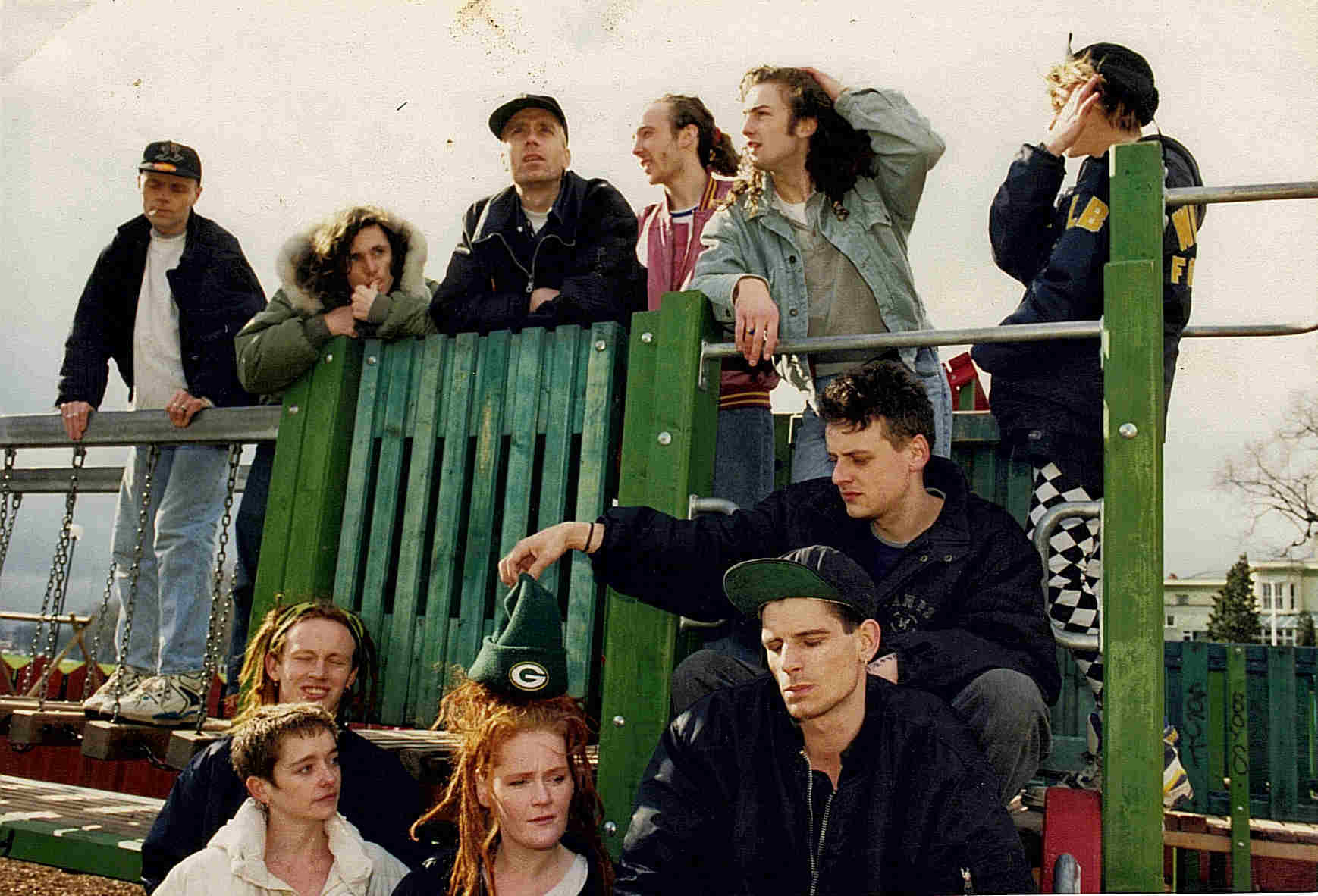
Much has been written about Castlemorton and ‘Dreaming in Yellow’ covers it with aplomb. What’s clear is that this six square miles of common land in Worcestershire was where the wave finally broke. The alliance between rustic travellers and urban ravers would reach its colossal apex. Upwards of 30,000 people poured into the valley below the Malvern Hills to dance and carouse for a week, having been shunted around county lines by police eager to stop the Avon Free Festival.
From around 3:30pm on Friday 22nd May, when the first travellers were being reported by locals, a vast swarm of vehicles roared in from all sides. By 6 o’clock it was on the national news, with the police urging young people to stay away. Which, naturally, had the opposite effect.
Alongside around eight other rigs, including Circus Normal, Bedlam and Adrenalin, DiY and Spiral Tribe assembled their gear with the quicksilver panache of an elite squad.
“‘As far as the eye could see, a town was being assembled,” Harry writes in his book. “A town unlike any other, a town with sound systems instead of monuments, a town almost exclusively under 30 years old, a town ready to party.”
The helpless police were criticised for adopting a policy of containment. Some have theorised they did it deliberately, to affect a watershed moment in the hope the government would give them more draconian powers to stamp out this culture irrevocably.
Musically, DiY were rapidly converting fresh disciples as folk wandered passed their pristine rig. They ploughed their unique deep house furrow, with its spacious, more soulful grooves, but also took things downtempo on the sun-soaked afternoons, playing hip hop, soul, funk and even John Coltrane.
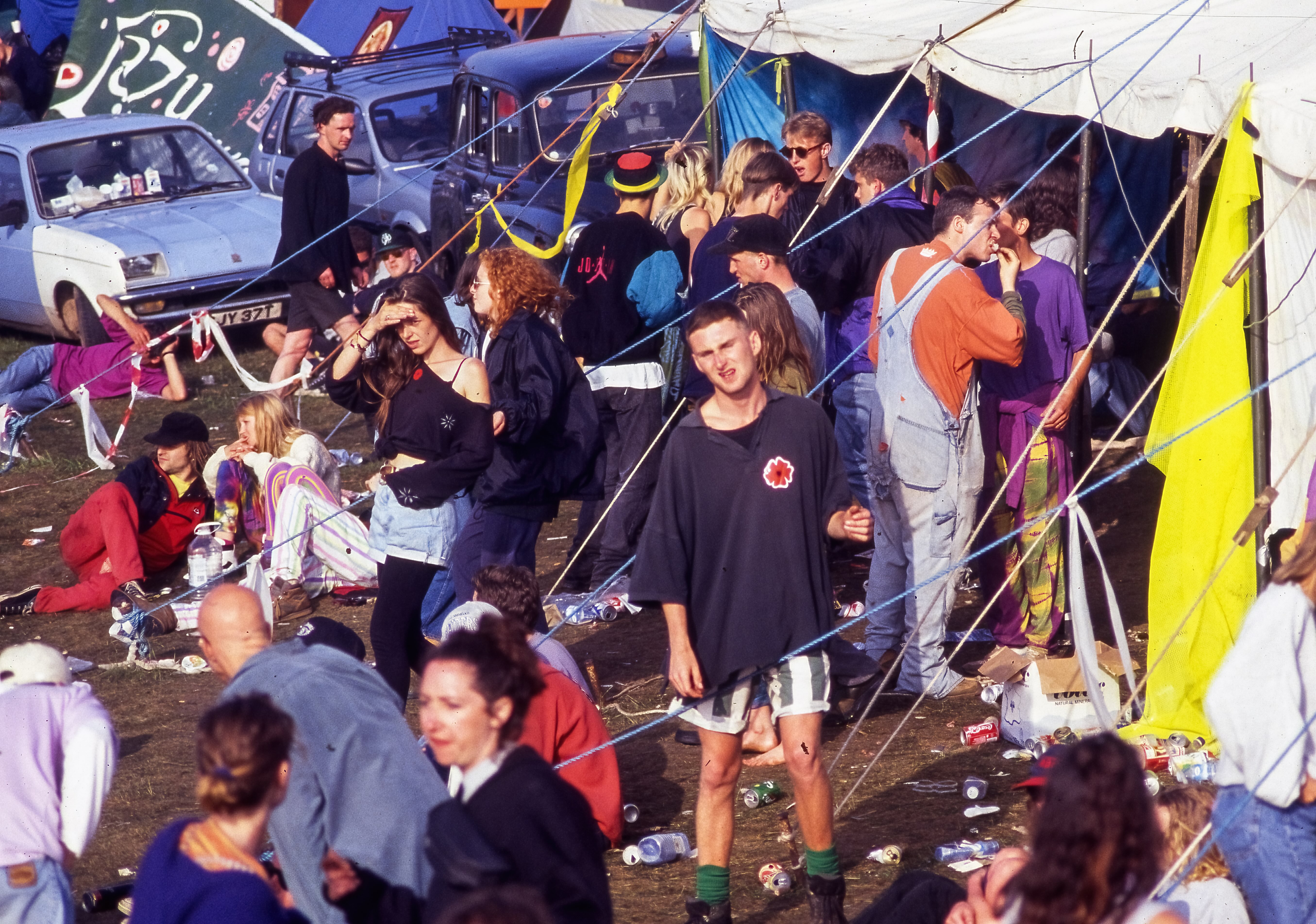
As Harry records: “Our music at Castlemorton was probably the most effective PR we ever did. Many, many people have told us since that musically we saved their lives. They came to our tent and never left.”
At one point, a new-born baby was brought out, so Jack played ‘We Are Family’ by Sister Sledge. People held hands and some cried.
“It was just golden.” Harry recalls. “It wasn’t really DiY crew anymore, it was a mass, huge generation really.”
The outraged tabloids bewailed supposed excrement and rubbish everywhere, though Harry notes: “The atmosphere was less of a drug-crazed dystopia and more of a village fête – some kind of English Shangri-La.”
Angelo laughs recalling watching footage from the police helicopter in the subsequent court trial. “Everywhere it showed was absolutely spotless! Zooming in on people picking up dog-ends and putting them into plastic bags, everywhere was just clean!”
Spiral Tribe’s unrelenting stamina had meant they were the last to leave. The police finally swooped, and 13 members were arrested.
Lasting ten weeks and costing £4 million, the court case demands a book of its own. It involved breasts being bared in the courtroom and, according to Angelo, a senior police officer going turncoat against the government who wanted to demonise Spiral Tribe in order to push through the oppressive legislation they were already preparing. The policeman in question, Superintendent Clift, had funnelled the “36-mile convoy” onto the common that day “for humanitarian reasons” and didn’t want to be an instrument of the state. Despite his unforeseen transition into star witness for the defence, the judge and prosecutor still didn’t expect the outcome.
“When the jury said: ‘Not guilty’, the judge went deathly white… and the prosecutor went throbbing purple!” Angelo cracks up. ”He was banging the desk like he couldn’t believe it.”
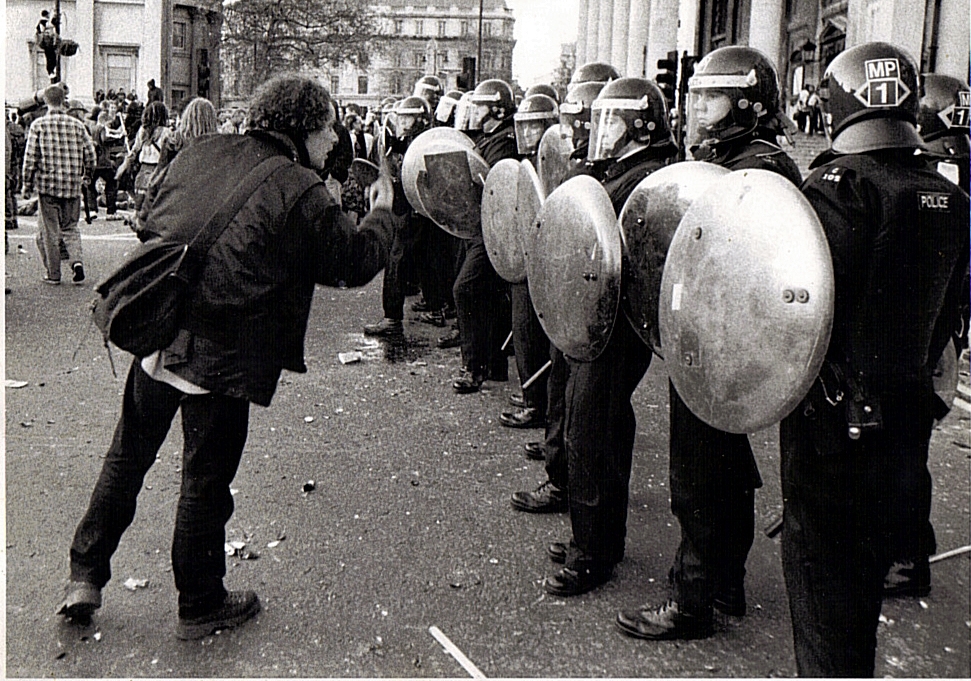
As we now know, despite large-scale protests, it didn’t stop the Criminal Justice and Public Order Act coming in two years later, essentially criminalising the free party lifestyle.
“Yeah, it was beautiful house music, but we were trying to smash the state.” Harry insists. “We were trying to confound opinions about everything. We were trying to usher in a new fucking consciousness and destroy barriers.”
Spiral Tribe decamped to spread the free party ethos to Europe, creating their large-scale Teknival events and making records. DiY kept doing small free parties, largely undisturbed in Derbyshire. They also took their brand of ‘liberation through fun’ to San Francisco, Dallas, France and Holland, and had over 80 releases through their label.
For the central figures, the profound exhaustion of partying nearly every night for years took its toll, with addictions and rehabs a-plenty. Today, brimming with life and razor wit, Harry is the consummate survivor. A drugs worker in Wales and, as his book so eruditely testifies, a gifted writer. Simon DK is also in Wales but veiled in mist: absent from any DiY events for several years now and with zero social media profile, he seems to have become a recluse. Rick/Digs, the ‘ace face’ of DiY and never one to be thwarted by a boundary, has transitioned into Grace Sands. Living in London, her DJ career is in rude health, as a regular at Adonis and Block 9.
At DiY’s 30th celebrations in 2019, events at the licensed venues spilled over into a full-blown, impromptu free party on the Forest Recreation Ground, right in the centre of Nottingham. Incredibly, it went undisturbed, so much so that by 6:30am, even Harry was thinking of ringing the police so he could get some sleep.
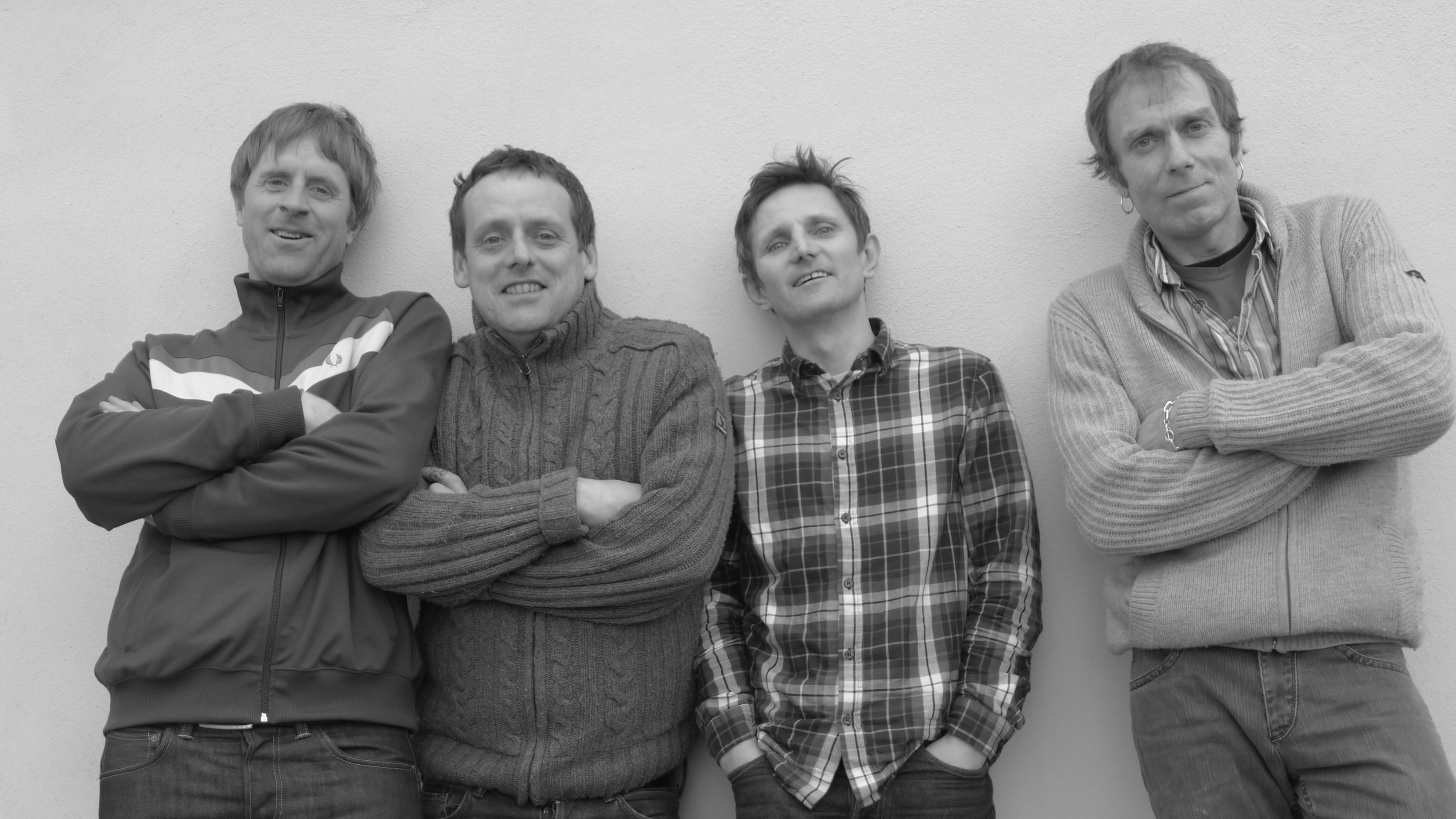
A year later, people lined up at the same spot to pay their respects to Pete Woosh. Diagnosed with cancer in 2015, he had taken a typically unorthodox approach to his treatment, solely using natural remedies. He also reinvented himself as ‘The Peaceful Ones’ and began to play immaculate, pan-genre sets and release an enormous amount of music on his Spirit Wrestlers label.
As far as I’m concerned, Pete was one of the most inspirational and original thinkers I’ve ever met. And when I reflect on the sheer number of people who had transformative experiences to his DJing over many years, I think it’s not much of a stretch to see him as a sort of shamanic folk hero.
Harry’s book richly evokes the bumpy ride of those volatile times and Aaron Trinder’s ground-breaking film is equally set to be a triumph. But there’s a gaping hole at the centre of all these histories you can’t easily explain to future generations. And that is how powerful and unique the pleasure was. During lockdown, I dreamt I was back dancing in the wilds, bodies in motion, spirits soaring, smiles flashing freely between strangers and friends. A divine sense of belonging, in a storm of pure chaos.
On waking, I realised I’d forgotten - because it’s easy to forget - that dancing in tribal communion with others is better than any art, any painting or sculpture. It’s better than any song, album, book or film you may languish in. It feels like the pinnacle of living. But you forget. You forget the pleasure… the pleasure.
This article first appeared in issue one of Disco Pogo.