.svg)
Or what happened when Luke Una and Richard ‘Parrot’ Barratt went on a ramble in the Peak District countryside. Looking back over a shared 40-year history, the pair reflect upon the influence of the Steel City’s rich musical lineage on their careers, why Parrot’s Crooked Man releases all sound the same – and dissect the curious phenomenon that is Ibiza Final Boss. Daniel Dylan Wray accompanies the duo on their idyllic stroll and discovers that “some of the early house records are almost closer to the end of the Second World War than they are to now….”

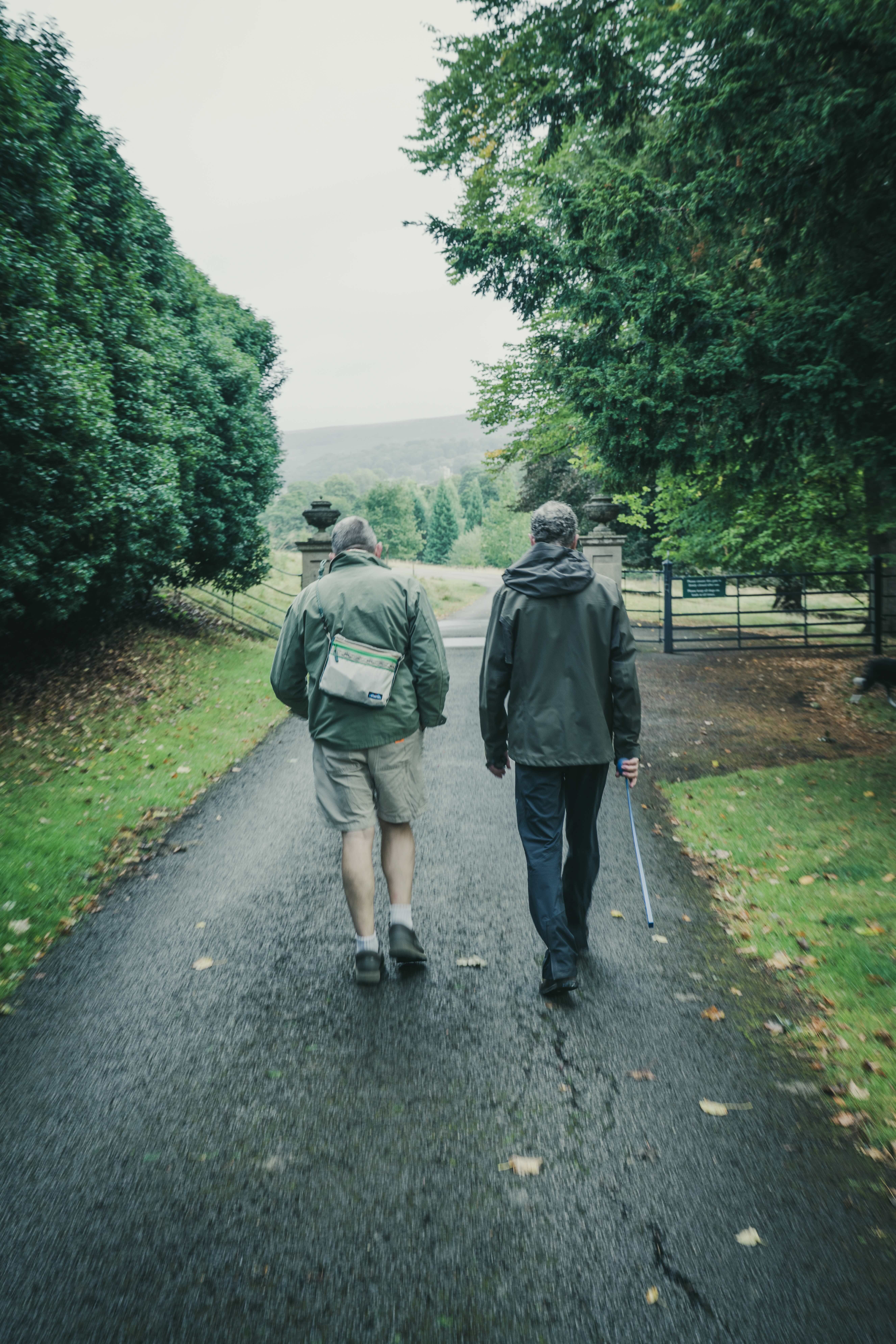
Luke Una and Richard ‘Parrot’ Barratt could not be more different as people. Una is a Manchester DJ who has flourished in the social media age, a self-confessed “peacock” who loves attention and spins in clubs all over the world. Parrot gave up DJing more than 30 years ago, never sets foot in nightclubs, doesn’t have social media and lives a quiet and enigmatic life. “We are the total antithesis of one another,” says Una, when the two meet in the picturesque village of Hathersage in the Peak District.
However, personality differences aside, there is a deep connection between the two that stretches back 40 years to Sheffield. Parrot – along with Matt Swift and Jon Mattan, plus the DJ, Winston Hazel – had just started a hugely influential night: Jive Turkey. It was one of the first clubs to play imported house records in the UK and it was where Una had his brain rewired. “I was reborn there,” he says. “The most important club in my journey that followed.”
Jive Turkey ran from 1985 until 1992 but when dance music got harder, faster and druggier, Parrot bailed out and hasn’t DJed since. But he’d already moved into making music. He’s a pioneer of bleep techno – via his collaboration with Cabaret Voltaire’s Richard H Kirk in Sweet Exorcist – and had a “fluke” hit with the pop outfit Funky Worm, even appearing on ‘Top of the Pops’. During the 1990s he started his own label, Earth records, and then joined the leftfield electronic pop outfit, The All Seeing I, with Dean Honer and Jason Buckle, once again landing himself on TV, bothering the charts, and collaborating with Philip Oakey, Jarvis Cocker and Tony Christie.
By 2012, Parrot was releasing music under the alias Crooked Man, undertaking a longstanding creative relationship with Róisín Murphy. He’s now three albums deep as Crooked Man with his latest – the superb ‘Crooked Stile’ – one of this year’s standout long-players. The first release from the album was a pummelling 11-minute reimagining of ‘Don’t Leave Me This Way’ by Thelma Houston: all filthy bass and metallic crunch, delivered with a raw, unrelenting and driving rhythm that – coupled with Houston’s irresistible vocal – sounds as tough as it does melodic. The other single is simply titled ‘Cunts’ and is a squelchy industrial acid version of Jarvis Cocker’s track ‘Cunts Are Still Running the World.’
To talk about this long and storied history, as well as the pair’s relationship, connection, differences – along with tangents on everything from hooliganism to TikTok techno via farm labouring – two of the most singular figures in electronic music trundle off into the hills and sheep shit-filled fields for a sprawling chat.
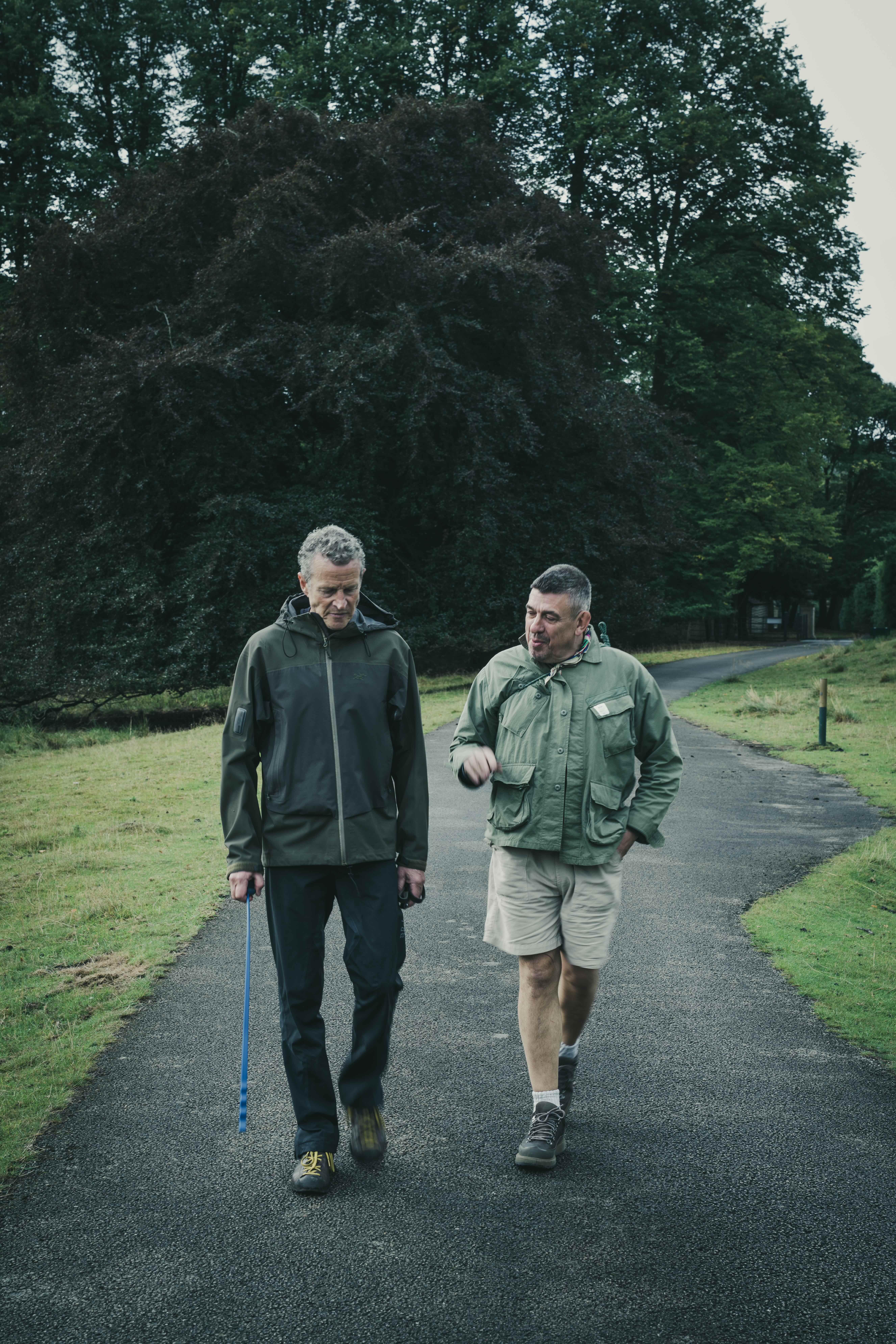
Disco Pogo: How did you guys meet?
Luke Una: “I got introduced to Parrot and Winnie as an entity, if you like. 1985 is when Jive Turkey started and I was working at the Hallamshire Hotel pub. I bought some speed off one of the guys from Clock DVA and ended up going. It was either the opening night or the next one. Those two became unlikely heroes very early on.”
Parrot: “What do you mean unlikely? Fuck me.”
Luke: “What I mean is, no one else in the world would have known about these two at this point. Because in those early days, it [Jive Turkey] was a very small number of people. But it’s where I first heard house music, where I first heard electronic drum machines, where I saw Cabaret Voltaire perform for ‘The Old Grey Whistle Test’. Parrot and Winnie, I always associate with opening me up to this whole new world of music. It was the shock of the new. It was like this is the sound. This is everything I love. These records sounded so revolutionary and incredible. I was really in awe of these two. You probably won’t remember me because I was five stone lighter.”
Parrot: “Where I remember Luke from is about 10 years later, from going to [Una’s Manchester club night] Electric Chair. For us in Sheffield, at the time, we’d not gone underground, we’d gone positively subterranean. The only nights we went to were little dos in people’s houses, 20 or 30 people. We’d become so alienated from what happened with nightclubs and superclubs and all that. It wasn’t our thing. Raif [Collis, of Kabal in Sheffield and lifelong friend of Una’s] used to run minibuses to Electric Chair and it was like a home from home. It was like Luke had somehow got Sheffield from 1989 and plopped it in Manchester [in 1995].”
Disco Pogo: Was Sheffield an influence on what you ended up doing with Electric Chair, Luke?
Luke: “100%. Parrot calls me the Pennine mongrel. I left Sheffield for Manchester in 1986-’87 but I love the fact that I came out of that stripped-back, raw funk music sound in Sheffield. I was going back a lot between ’85 and ’90 and there was definitely a different sound going on. It was more underground. There was also a stoicism in Sheffield. When you put your head above the pulpit and try to be something you’re not, you don’t get a tick in the box in Sheffield. You’re seen as a bit of knobhead, but their militancy in sound was something I loved. All the various different micro movements in house music didn’t really affect what these guys were doing because they were much more militant and no compromise. Parrot is like the Mark E Smith of dance music, and he didn’t like the bullshit of all this cheesy music coming through. I loved that about those guys and that element has always been at the heart of what we did at Electric Chair. We were mongrels and I liked all these different elements that we brought to the pot, on top of what we borrowed and dragged over to Manchester.”

Disco Pogo: Did Sheffield feel isolated and in a bubble to you, Parrot? Just head down and do your own thing?
Parrot: “I’m still doing that, really. What happened with dance music that crystalised in ‘88/’89 into acid house was kind of accidental to us. Me and Winston were just doing what we were doing, and we played a lot of those records because they were some of the best around. Then, obviously, ecstasy came over and everything went bananas. The first couple of years of that were fucking brilliant, like, honest to God, amazing, probably the best times I’ve ever had in nightclubs with music. But because it was so good, it attracted so many people. Younger and younger people and it shunted a lot of the old farts out the way. The dancers left, a lot of the Black people went. It just changed the crowd from something racially mixed to really white, really young, loads of boys with the shirts off, wanting fast music all the time. We played a lot of street soul and we still carried on playing old funk records. What Luke’s saying about the Sheffield sound, I think it actually runs beyond anything to do with a sound. It’s an attitude. And it’s not just like me and Winston that have got that attitude. Richard and Mal [Cabaret Voltaire] had it, Jarvis has it, [Richard] Hawley’s got it. Even though they make completely different music. It’s just something to do with a mentality which is: I’m doing what I’m fucking doing. Everything in Sheffield, as far as I’m concerned, starts in 1973 when Cabaret Voltaire formed.”
Luke: “Is that when they formed? I didn’t realise it was that early.”
Parrot: “Yeah. In the early 80s, when they went a bit more dancey I was like, ‘Fucking hell, I’m right into this.’ And then you find out that they started in 1973. When you’re young, something being from 10 years before is like the fucking stone age. The fact that they’d been going that long, predating punk rock, was mental. They were there on the very first night at Jive Turkey. I didn’t know them and they were like, ‘This is good, come and be in our gang. Come to our studio. Come and make some music with us.’ It was fucking brilliant.”
Luke: “I get all that. There was an attitude from Sheffield. Manchester was a lot cockier, a bit more northern Cockneys. They’re a bit more confident.”
Parrot: “They’re Mancs, yeah. Gobshites.”
Luke: “And I love both, I really do. But I think there was a golden era in Sheffield where there was a sound which was distinctly coming out of the city. I remember going to The Stone Roses at Spike Island and Frankie Bones or someone like that was DJing, and he shouted out Sheffield. Because if you speak to any American DJ who’s worth their salt, they always reference Sheffield. Like Bristol, it had a sound which was unique.”
Parrot: “I think the thing is that there’s never been a scene in Sheffield. It’s a scene of individuals. It’s village-y and it always has been. Manchester is big enough to have a scene. Greater Manchester is a proper city.”
Luke: “It was tighter knit in Sheffield. I love to wind people up about the Sheffield house music [being] first thing. Obviously, it’s irrelevant, no one actually really fucking cares. But without a shadow of a doubt, the influence of American underground house music coming into Sheffield there became this weird alchemy. Going back to electronic music with the Cabs, Human League, that had a very punk ethos and it’s kind of remarkable. In many ways, it’s more revolutionary than Factory but it probably doesn’t get the attention. But that attitude can be a curse as well, because I think maybe success is looked at differently in Sheffield. I’ve always been fascinated by you, Parrot, because you’re this farmhand Yorkshireman and there is definitely a Sheffield culture which does not partake in the strutting Manc showing off thing. They don’t like it; it’s seen as a kind of cringe. That’s in the blood.”
Parrot: “You’ve got to enjoy having the piss taken out of you, if you live in Sheffield, and enjoy taking the piss out of other people. What you were saying earlier about tall poppies in Sheffield, I mean, you’re fucking setting yourself up for a bit of rib-tickling there.”
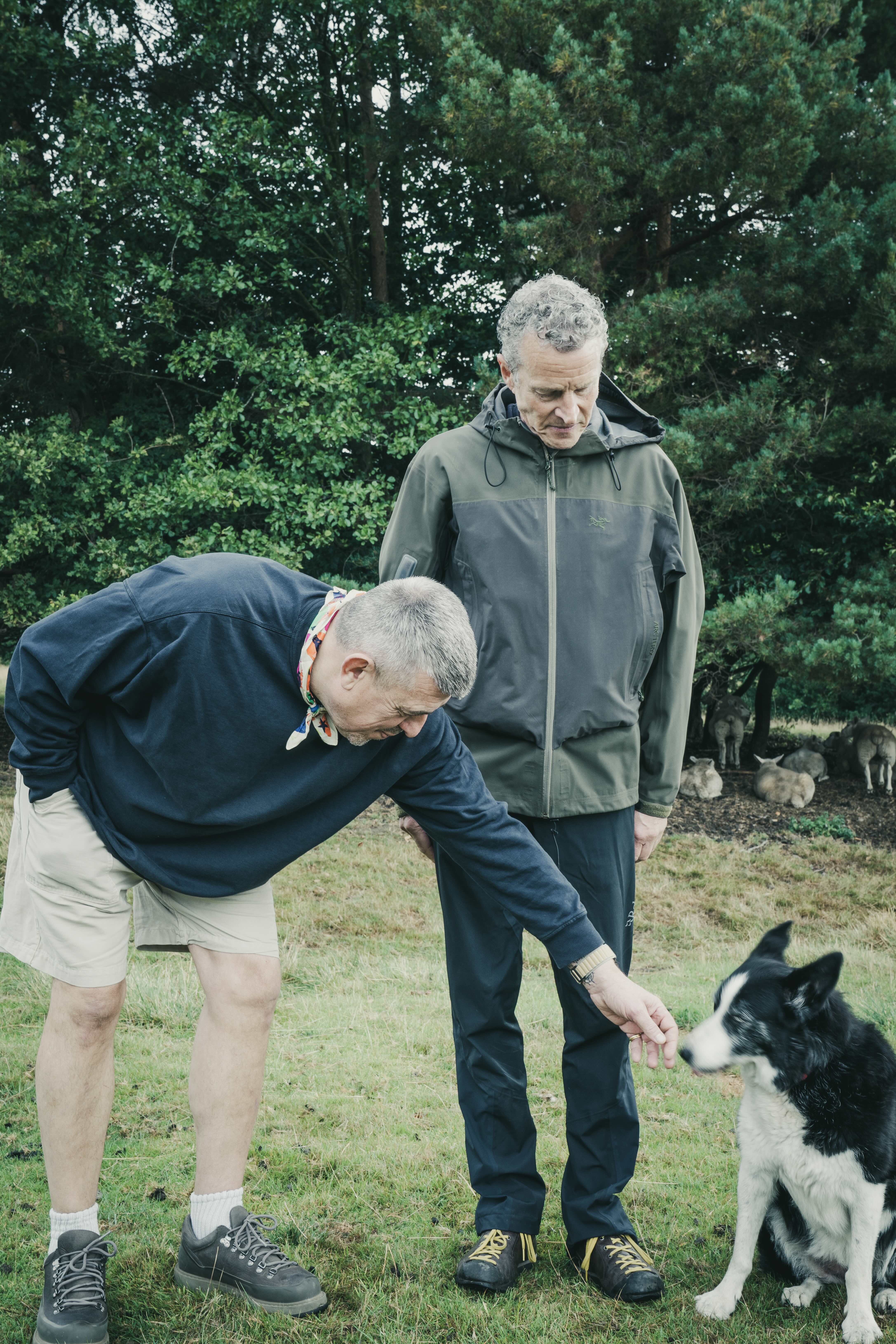
Disco Pogo: Do you hear Sheffield in Parrot’s music today, Luke?
Luke: “Totally. When I listen to your music now, I can hear it fully, the lineage going right back. When I hear a Crooked Man record, I can smell it, feel it and connect it to that whole era.”
Parrot: “Well, you are what you are, aren’t you? It’s almost like outsider art in a way. You just do what you do. And I’m very limited musically. I have got a joke that basically I’ve been making the same record for nearly 40 years. Because I actually can’t fucking play anything. I can’t sing; I’m fucking incompetent, musically. So they come out and they sound the same. Even if I want to sound different, they sound the fucking same.”
Luke: “It’s funny, actually, I’ve just been reading Rick Rubin’s book (‘The Creative Act: A Way of Being’). It’s very woo woo but I find it really interesting. He talks about this very same thing, that he was a non-musician, an amateur. But actually, I think sometimes that is a brilliant thing, because you don’t want too many musicians leading on everything. You kind of need someone to be quite militant about it who’s not necessarily a musician.”
Parrot: “I hate musicians. Knobheads.”
Luke: “It’s funny about you, because you are this very esoteric individual who 100% does things your way but you also had a bit of a peacock in you. You did like your clothes and you were a very well-dressed gentleman. Because I have that. I love clothes. And I loved that about you lot. I remember in about 1984 or ‘85 and I was down John Street and I was going to the [Sheffield Utd] match. And most people at football wore donkey jackets, quite trampy. Football casuals were happening, but…”
Parrot: “Don’t use that word, Luke. We say trendies in Sheffield.”
Luke: “It’s true, it was trendies. So, this one afternoon these lads were walking down and some of them had long hair, with pastels on, one of them had sunglasses with a Walkman on and these mad clothes. I was like, ‘Wow, who the fuck are they?’ They were like aliens. I’d never seen anything like it. And they were these Sheffield United hooligans who were going around Europe, robbing, and they’d all go to Ibiza. This was four years before any of this acid house or Balearic stuff. And [Ibiza veteran] Nancy Noise said that the look in acid house, that whole thing came from those Manchester and Sheffield lads, who were all the wrong ‘uns. The hooligan thing was weird because it was a counter culture. It wasn’t skinheads in Stone Island being right-wing thugs, it was these lads wearing weird fucking clothes. Nancy said this lot were the most influential people of that scene and then they were coming back to Sheffield when Winnie and Parrot were DJing after picking up ecstasy, so they were hugely pivotal. But they don’t get talked about. They were bringing some of the first Es back into the UK.”
Parrot: “They were bohemians. They really were. They went all over fucking Europe, not just Ibiza, and they came back changed. They came back with their minds opened. But they were still businessmen and they were still nasty fuckers. They basically policed it [Jive Turkey] for a bit. Any young lads getting out of line in there, dicking about, they got put in their place immediately. So a lot of the little fucking twats with their shirts off, it kept them shunted to one side. But eventually the pressure was too much. We used to DJ in a broom cupboard and every now and again, I’d stick my head out to see what was going on, and you notice that the Black people were disappearing, and it would be less every week. And then you just look out one day and it’s like, what the fuck happened?”
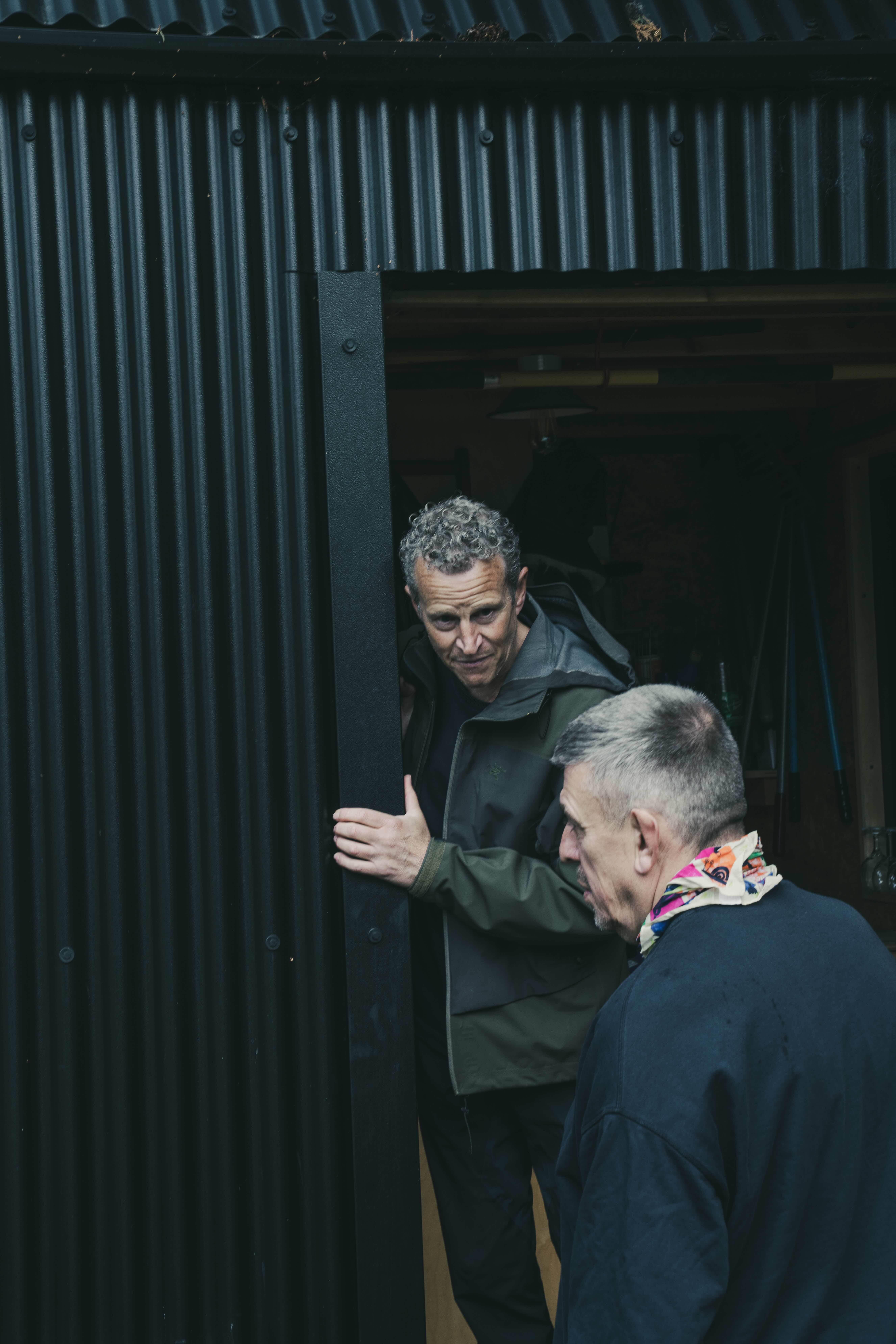
Disco Pogo: The era we’re talking about was a tough time for Sheffield: economic and industrial decline, unemployment, miners’ strikes, etc. Did any of this register with you both or were you in your own little world?
Parrot: “I was so far up my own arse in terms of what I wanted to do, which was basically going out all the time and listening to music and finding clothes. My brother-in-law was a miner on strike, and there was a lot of heroin around and the steel works were going down the pan. But it all completely passed me by. Honest to God, even though I am quite left wing. You’re just a fucking little twat doing what you’re doing in your little space. Plus, looking back on it, a lot of that death of industry and post-industrial wasteland opened up a lot of space for little people like us to trot into and put a party on.”
Luke: “I read this Karl Marx quote the other day, that I’m paraphrasing: ‘People make history, but they don’t always know the history they make.’ When I look back at Sheffield, you need the mad kids doing their own thing and removing themselves from life and doing their own little thing in their ecosystem. That, to me, is where the magic happens. Unless people did that in these towns coming out of a recession or Thatcherism, a lot of this wouldn’t have happened. And I don’t think at the time you’re conscious of it. There was never a game plan.”
Parrot: “No plan at all. I never expected to make a living out of being a DJ or making music. I couldn’t imagine that. I had no idea what I wanted to do. I was expelled from school. I did a Youth Opportunities scheme as a gravedigger and then worked as a landscape gardener.”
Disco Pogo: Why did you quit DJing, Parrot?
Parrot: “I was an accidental DJ anyway. So it didn’t feel like, ‘Oh my God, what am I gonna do?’ It was like, ‘Oh, that’s done.’ There were better DJs, younger DJs. I can’t walk down the road with headphones on while listening to music. If I’ve got music on, and it’s music I like, I’m listening to it. I can’t have it on in the background. If it’s good, I’m listening to it, and that’s all I’m doing. If it’s shit, I’m going up the wall or trying to get out or trying to smash the record. It has such an effect on me. So listening to two fucking records at the same time and trying to blend them together? I couldn’t do it. It was time to move out of the way. We were over. Also, back then, it used to be a bit different in every town. You could literally go to another town to go out and hear completely different records and people would dress differently. I think that’s possibly one of the first things about all the superclub stuff to have really fucking set my teeth on edge. It was the sameness of it all. Same DJs travelling about, people wearing the same clothes, listening to the same records. It felt like a lot of these tiny little ecosystems were dying off.”
Luke: “You kind of disappeared completely around then. But I was probably more evangelical about it – probably because I was also taking a lot of ecstasy. The way I look at it is slightly different. While that did all happen, and that was a negative, there was this tsunami of beigeness that took out the nuance and the dancers. But for me, what I loved about the acid house thing, and ecstasy, was that experience blew my mind and it kicked the doors off, so all the rules had gone. I was coming back to my flat in Hulme with friends, and they were playing records. Whatever it was: Talk Talk, a Brazilian record, a street soul record. Because I was high, I just thought, ‘This is fucking unbelievable.’ So I started listening to all this new music. Sheffield wasn’t Balearic, it was much more a shebeen meets Chicago, so I guess I became more Balearic because I was listening to all these records. There was a real eclecticism that happened because of ecstasy and acid house. What became good about it wasn’t necessarily those acid house records, but, for me, it helped my wings just spread. I listened to music I would never have listened to before.”
Disco Pogo: Parrot, do you think you may have gone a bit more Balearic, like Luke, if that had taken off a bit more in Sheffield?
Luke: “If he’d have taken a bit more Es and whizz he would have done.”
Disco Pogo: So, is it fair to say Crooked Man has zero outside influence?
Luke: “I can tell that, because his new tune [‘Don’t Leave Me This Way’] I fucking love it, but it’s such a bastard to mix. Nowadays, a lot of DJs will provide you with 16-bar intros and outros. But this track is mental, it’s big, it’s massive, it’s incredible. I don’t know how the fuck you’ve done that. It’s really hard to play something before and after it. You can tell it’s not a DJ-friendly thing. It is just a sound you’ve got. The Crooked Man thing, and he’ll hate this bit now, but I’m going to say it. I think this is linked to the stoic farmhand element. He disappeared from DJing and then he did these amazing records on Earth, which became very cult with people like Optimo getting obsessed by them, as was I. You did loads of projects but then with Crooked Man when I played those records, every fucker was like, ‘What is this?’ I noticed this thing was happening, with your Sean Johnstons and your Weatheralls, all these people going, ‘Who is this fucking Crooked Man?’ No one really put two and two together. There’s a rawness and sonic bigness of those records. There’s a bit of hooliganism to it. I mean, the new one, it’s quite an out of order record, it sort of shouldn’t work. You’re not a people-pleaser. Good art, proper art, real art, will never happen when you’re a people-pleaser. It just doesn’t happen.”
Parrot: “I’ve never heard a Crooked Man track in a club and I wouldn’t like to. He’s saying they sound good but, to me, they wouldn’t. Once the record leaves the studio, I never want to hear it again, ever, because I just feel intense embarrassment about all the bits that I got wrong.”
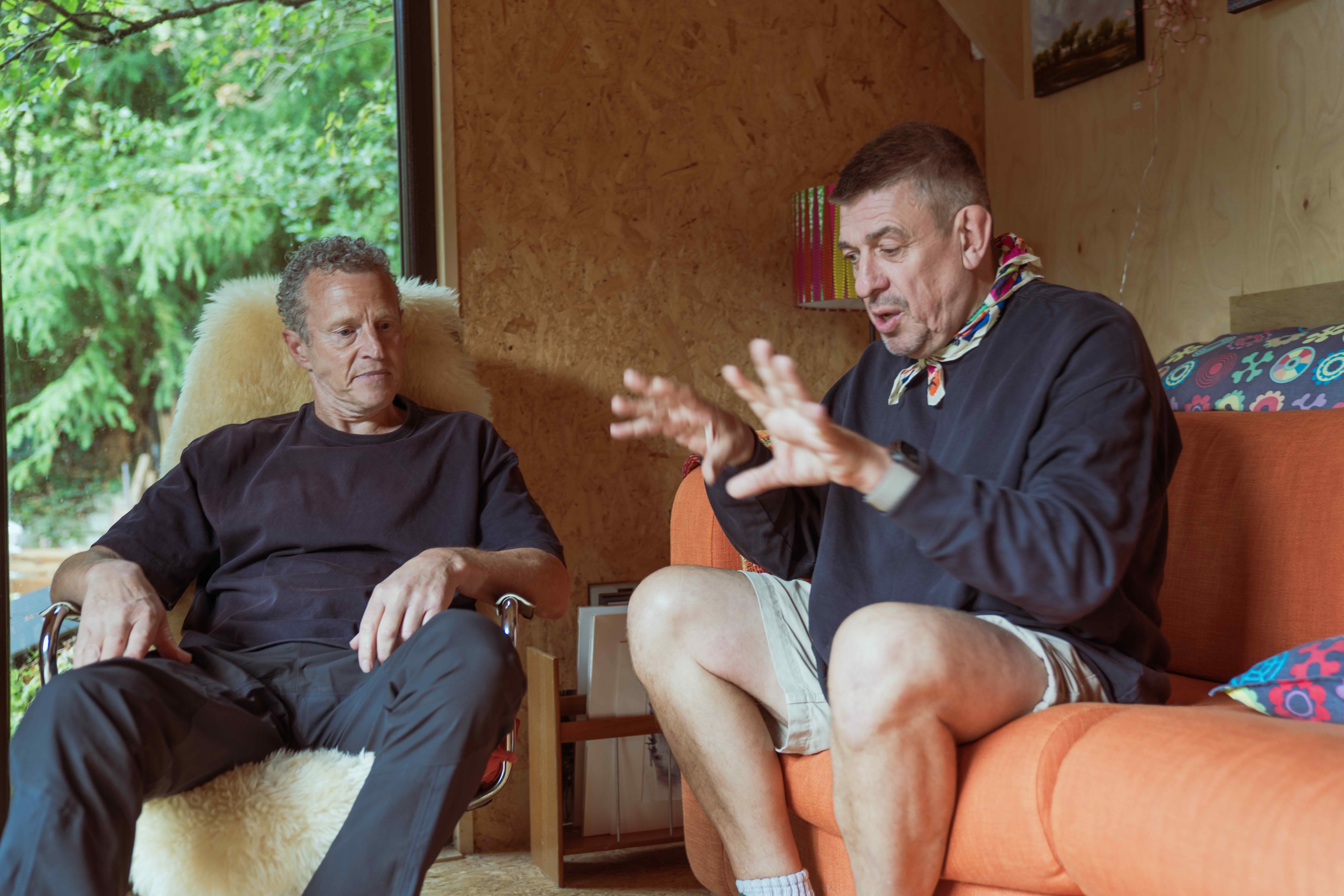
DP: Is the studio the place for you?
Parrot: “In the studio, I sit on the fucking settee. Fat Dave [David Lewin, engineer] is over there at the business end of everything, making things. He’s a proper musician but also a technician. He doesn’t even like me coming into his part of the studio and standing behind him. So he’s quite happy to have me sit on the settee. I’m on there with my eyes closed, imagining it’s 1989, I’m in a club: would I like this record? That’s what I do. I’m totally stuck in the 80s. That was my heyday in terms of clothes, music, that entire decade. Then you get to 1989 and it all coalesced and for a while it was fucking brilliant. I remember Mark Brydon (Moloko, Chakk) coming up to me in the broom cupboard and he was just shaking like, ‘it doesn’t get any better, it doesn’t get any better’.”
Luke: “That’s really interesting. It’s weird that this thing that started with 200 people in places like Sheffield and Nottingham is now a multi-trillion-pound business. It rules the world. We’ve got what we call TikTok techno, and if you think it was bad back then, believe me, some of the sounds coming out now. It’s like fucking fairground techno at 160bpm with these bad pop samples. It’s fucking terrible. You look at it now and you think, ‘Wow, it’s gone.’ But what I’m noticing these last few years is all the weird kids coming through again. These mad, esoteric, oddball kids. I think what’s happening is there is a mini, quiet revolution bubbling where people are seeing fucking [TikTok character] Ibiza Final Boss and pushing back. We’ve reached proper pop will eat itself territory. This is almost ‘Black Mirror’ on acid times 10. We have reached peak EDM meets TikTok meets the worst cultural elements. It’s beyond comprehension. But there’s a reaction to that. You go to places like We Out Here and it’s just full of incredible youngsters who are digging all this new music. So I’m always hopeful that it goes full circle. It’ll restabilise and go underground and probably feel a lot better again.”
Parrot: “I guess when the money goes out of it, it’s back down to doing it for a laugh or to enjoy yourself. Or if you just want to hear the music loud or have a dance or a sing. I mean, that’s something I fucking hate: why don’t people play more records with vocals on them? It does my head in. It’s like the Thelma Houston track, looking through the DJ reports and you’ve got kids going, ‘Where’s the dub? Where’s the instrumental?’ It’s like, are you actually completely missing the point of this track?”
Luke: “I think vocals are returning with a vengeance. The combination of ketamine, post-Covid impatience, young men not understanding what should be a very loving environment and it being very fucking alpha male, very Final Boss. At Houghton festival, I played a lot of vocal records and it fucking rammed out. That is returning.”
Parrot: “There is a danger this is just becoming chuntering old men, isn’t it? We are sitting here in 2025 talking about 1985. If it were 1985, we’d be talking about 1945, which is fucking mental.”
Luke: “Some of the early house records are almost closer to the end of the Second World War than they are to now. That blows me away.”
Parrot: “Fuck me.”
This article first appeared in issue eight of Disco Pogo.