


.svg)
The Wu-Tang Clan story abounds with myths, kung fu movies, mafioso allusions, countless side projects, esoteric equipment, endless mishaps and much, much more. Not bad for a collective of former warring youths from New York’s forgotten borough. David Kane enters the 36 Chambers and pulls together the varying strands of the Wu-Tang tale into one handy A-Z…
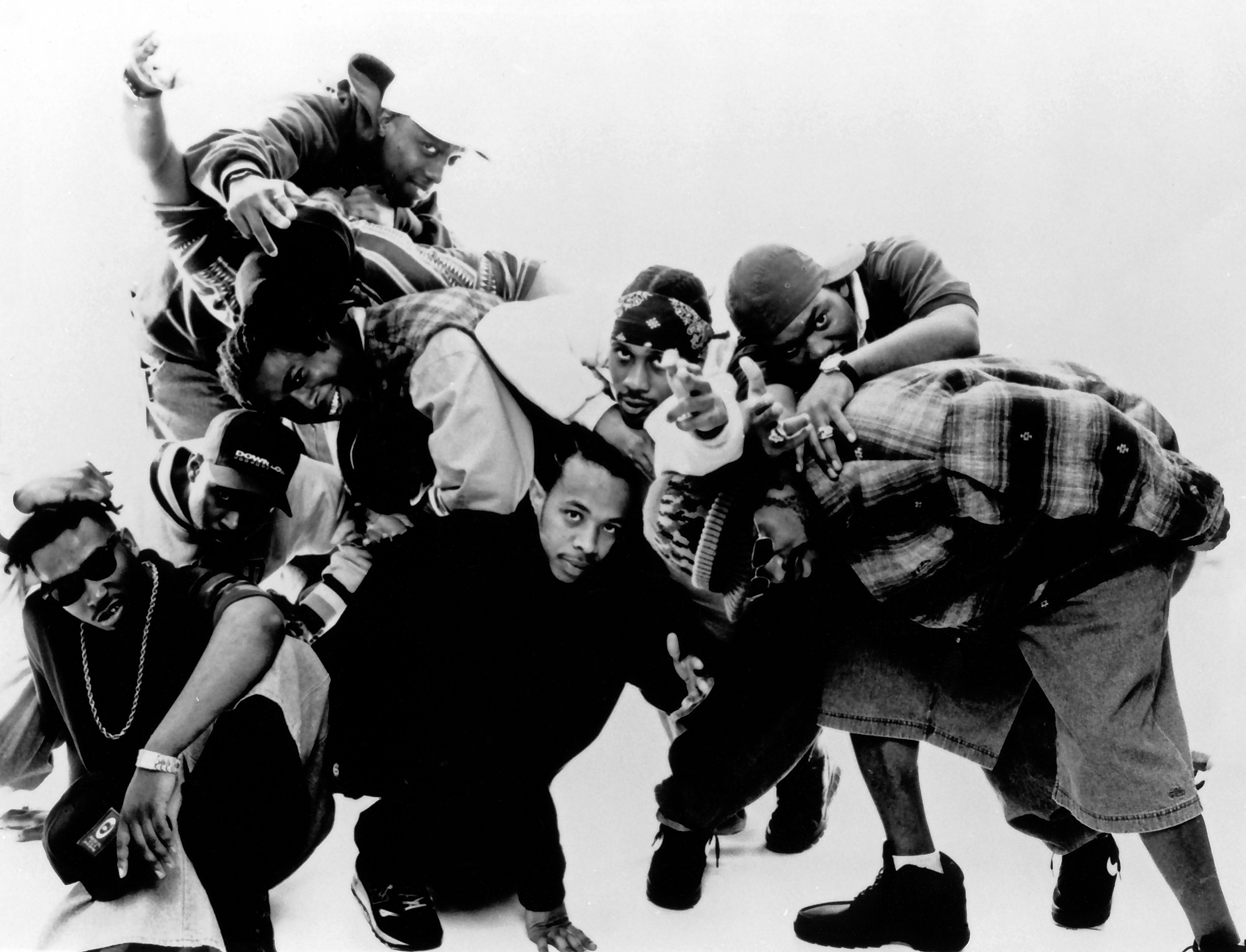
Earlier this year, Wu-Tang Clan wrapped The Final Chamber, a 27-date farewell tour across North America. Time has a funny way of catching up – even with legends who once sounded untouchable. Yet the further time stretches, the greater it preserves, and those first blasts from ‘Enter the Wu-Tang (36 Chambers)’ still sound immortal.
It’s essential to remember the musical context at the time of the Clan’s first single, ‘Protect Ya Neck,’ in December 1992. The golden age of New York hip hop was fading. The Native Tongues movement had become fractured. “Yo, that Native shit is dead,” declared Posdnuos on De La Soul’s ‘Buhloone Mindstate’. The East Coast was losing its juice.
Released the same month as ‘Protect Ya Neck’, Dr Dre’s ‘The Chronic’ heralded a new era of West Coast supremacy thanks to the infectious G-Funk sound—deep hypnotic basslines, slow-rolling synths and crisp kicks delivered with palm-breeze ease. And that wasn’t all that was happening on the left coast: Cypress Hill, The Pharcyde and a post-NWA Ice Cube all dropped classics within 18 months.
Then, from the forgotten ferry stop of Staten Island, came eight unique voices – RZA, GZA, Ol’ Dirty Bastard, Method Man, Ghostface Killah, Raekwon the Chef, Inspectah Deck and U-God – who fused as one in a blaze of alchemy (Cappadonna and Masta Killa had yet to join the group). Noisier than heavy metal, this collection of rap assassins and street philosophers were yelling through dust and distortion to reclaim the East as the true Mecca of hip hop.
Whether goodbyes stick in rap is anyone’s guess. What isn’t in doubt is that for more than three decades, Wu-Tang Clan rewired the lexicon of word and sound. Here’s the cipher, A–Z.

All In Together Now The story before the story. First cousins Prince Rakeem (aka RZA), Ason Unique (Ol’ Dirty Bastard) and The Genius (GZA) performed as All In Together Now during the mid-80s. The group put out a few demos but never an official release. By 1991, both GZA and RZA had released debut solo albums that flopped, ‘Words From the Genius’ and ‘Ooh I Love You Rakeem’, and their labels – Cold Chillin’ and Tommy Boy - dropped them both.
RZA was at a crossroads and was rumoured to have walked back and forth across Staten Island for three months. All In Together Now had stalled, Wu-Tang existed, but only as RZA and Ghostface. Nor could he achieve more as D.M.D. (Dig ‘Em Down – alongside Meth, Raekwon, Deck and U-God). Through those months of pounding the pavements, he found clarity; princes, killahs and geniuses would sit down together at the table and form as one.
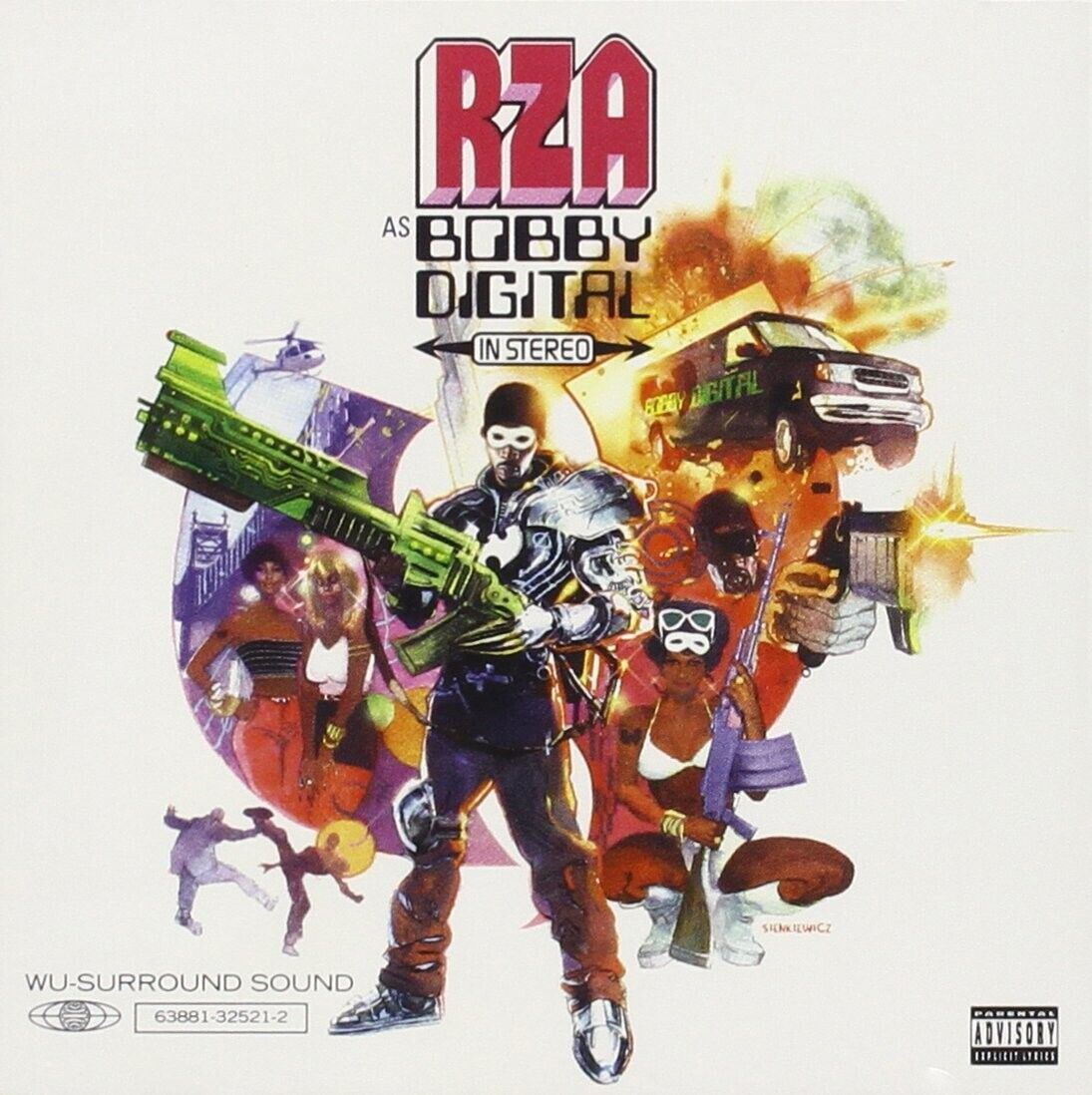
Bobby Digital is RZA’s sci-fi, sex-obsessed, digitally enhanced persona. ‘Bobby Digital in Stereo’ (1998) was a divisive (Pitchfork gave it a 2.9/10), bonkers and occasionally brilliant record as the gorgeous ‘Love Jones’ and swaggering ‘N.Y.C. Everything’ attest. RZA ditched the gritty sound of his Wu-Tang productions in favour of a synth-based direction, telling Vibe: “Hip hop was so sample-heavy at the time and I wanted to make my music have more of an orchestra sound.”
Children As in: “Wu-Tang is for the children. We teach the children.” One of the most bizarre and memorable speeches at an awards show took place at the 40th edition of The Grammys in 1998 when Ol’ Dirty interrupted the award for Best Song won by Shawn Colvin for ‘Sunny Came Home’ with his bizarre, but, let’s face it, accurate “Wu-Tang is for the children” outburst.

Dip dyeing The two most exquisitely dressed members of the Clan are undoubtedly Raekwon and Ghostface Killah. Ghost can rock a mink coat and silk cravat like no one else in hip hop – bathrobes in broad daylight! Bird-patterned silk blouses buttoned to the chin! Golden eagle wrist gauntlets! And then there’s Raekwon, the don of denim, ice-cold shades, bulletproof leather waistcoats and New Balance 574 on the wheels. Ghost and Rae weren’t the first rappers to rock Clarks Wallabees, but dip-dyeing them into new colours was undoubtedly fresh. Somerset’s finest even made it onto the cover of Ghost’s debut album, ‘Ironman’.
Ernest Sayon In a tragically familiar tale of police brutality against African American men, Sayon, an unarmed man, was murdered in Staten Island’s Park Hill projects in April 1994. Method Man – who had experienced his own brushes with the law – was good friends with Sayon, and his death prompted Meth to take music seriously. Sayon’s death was retold in Hulu’s ‘Wu-Tang: An American Saga’ (with Sayon going by the alias of Haze), in which the characters of Meth, Inspectah Deck and Raekwon watched helplessly as Haze was strangled to death by police. The tragedy was said to have played a part in uniting the then-warring factions of the Wu.

Floods In 1994, RZA returned to his basement studio – affectionately known as the ‘Shaolin’ – which had flooded because of heavy rain and a sewage backup. The first of three occurrences in the 90s, the floods have taken on an almost biblical mythology in the Wu-Tang canon, yet the damage was very real. Equipment and floppy discs were destroyed, and an estimated 300-500 beats were lost, including original productions from several of the first wave of solo albums: parts of Method Man’s ‘Tical’ and Raekwon’s ‘Only Built 4 Cuban Linx’ were destroyed, while Inspectah Deck’s debut album, ‘Uncontrolled Substance’, was lost in its entirety.
‘The Grunt’ The horn sampled from The J.B.’s’ ‘The Grunt’ made its way through various hip hop classics by Public Enemy, Eric B & Rakim and Ultramagnetic MC’s, before appearing in ‘Protect Ya Neck’, where it sounds less like a horn and more like a glossolalia cry. Whereas brothers Phelps and Bootsy Collins inject the original with an unholy amount of instrumental funk, RZA’s production possesses an ugly, beautiful quality with the speed and density of the Clan’s lyrics contorting the track with a rowdy, tongue-twisting “What did he just say!?” wordplay. ‘Protect Ya Neck’ was the first single released by Wu-Tang Clan. ‘The Grunt’ break, and music in general, would never sound the same again.

‘Hell’s Wind Staff / Killah Hills 10304’ “Do you know, uh… a Don Rodriguez?” probes RZA’s Bobby Steele alias in the interminable opening skit to ‘Hell’s Wind Staff / Killah Hills 10304’ from GZA’s magnum opus, ‘Liquid Swords’. From ”interest rates a grand to a finger” through to “50 immigrants with fake visas”, GZA provides a hook-free masterclass in world-building and a stark reminder that everyone likes a gangster until they meet one. Beyond the lyrics, RZA’s production is just as inventive, chiefly the sampling of ambient field recordings of Hells Angels roaring by and banging forks on restaurant tables.
The Island nightclub. The east London suburb of Ilford became an unlikely location for one of Wu-Tang’s first UK shows in 1995. Or at least, it was supposed to be. In a sign of things to come, all of the group failed to turn up, leaving a drunk but determined Ol’ Dirty Bastard to perform his and all the other MCs’ rhymes in a chaotic show. Members of the crowd were said to be so incensed that they tried to storm the stage. Dirty reportedly shouted: “It’s hard for a ni**a to represent nine!”
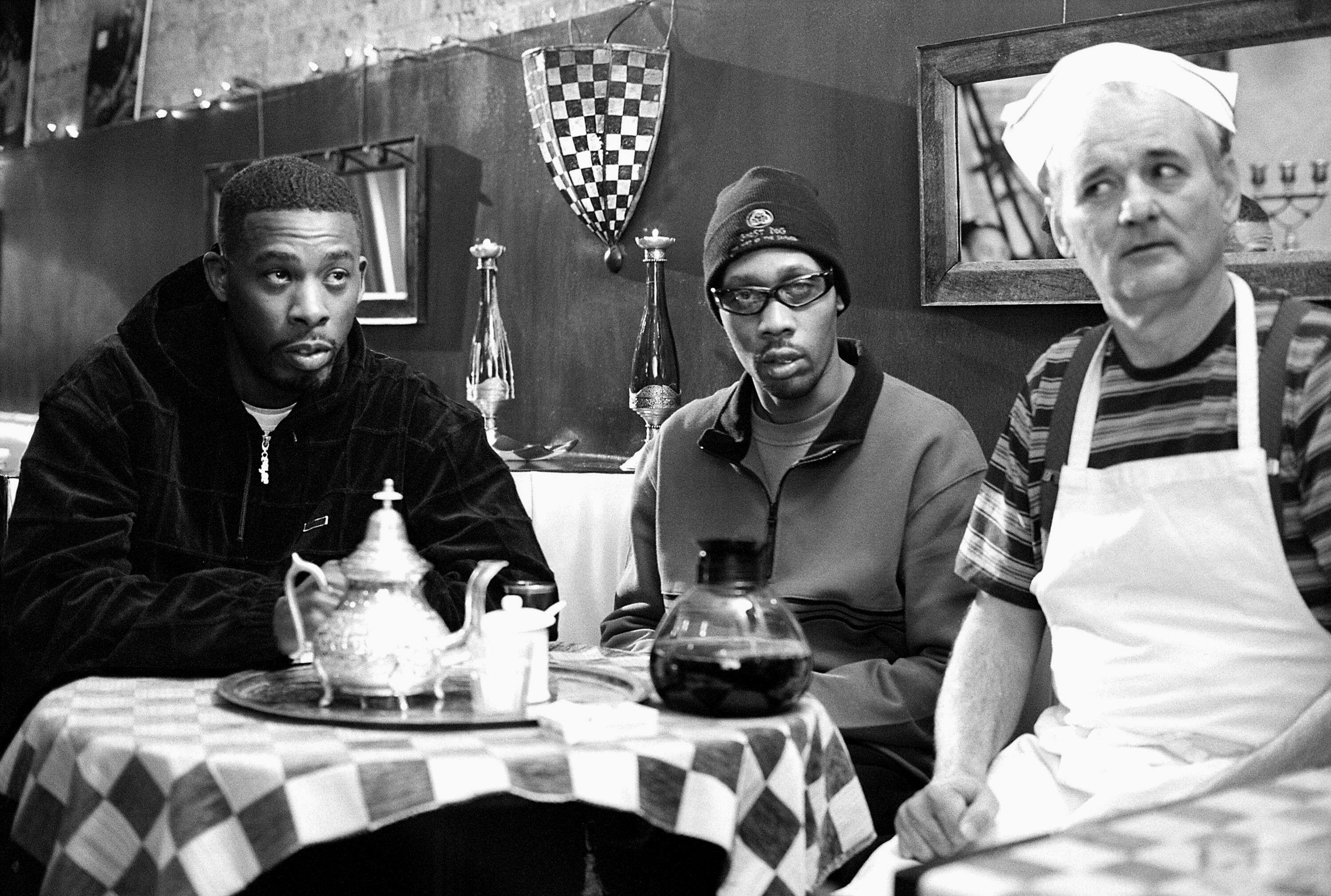
Jim Jarmusch Much has been made of RZA’s collaborations with Quentin Tarantino, but it was Jim Jarmusch who commissioned his first full-length film score with ‘Ghost Dog: The Way of the Samurai’. RZA’s groovy, grimy soundtrack provides the perfect backdrop to Jarmusch’s Palme d’Or-nominated film. The pair reunited four years later for the absurdist ‘Coffee and Cigarettes’, in which RZA and GZA would appear as themselves in a restaurant scene served by a familiar waiter. “And you’re Bill Murray. Bill ‘Groundhog Day’, Ghostbusting ass Murray”, as GZA observes in the film’s most memorable segment.
King Hu No Wu-Tang reflection is complete without kung fu, especially the wuxia style King Hu helped revolutionise. After joining Hong Kong’s Shaw Brothers studio in 1958, he rose from set decorator to director, galvanising the genre by fusing Chinese opera, Buddhist philosophy and western editing. His influence rippled directly into Wu-Tang: when mastering ‘Enter the Wu-Tang (36 Chambers)’ at The Hit Factory, RZA arrived with low-fidelity VHS tapes for sampling – no doubt to the engineers’ chagrin – of ‘Executioners from Shaolin’, ‘Five Deadly Venoms,’ ‘Ten Tigers of Kwangtung’ and ‘Shaolin & Wu-Tang’. The first three were Shaw Brothers films, all bearing Hu’s cinematic fingerprints.
Loud Records Legend has it that label founder Steve Rifkind was sitting in his office sifting through the many promo records he would receive when he stumbled upon ‘Protect Ya Neck’. He put the record on at high volume and a young kid he had never seen before burst into the room and hollered: “THAT’S THAT SHIT!” and promptly departed. Rifkind claims he never saw the kid again. Call it an omen, call it BS, call it what you will, but Rifkind saw it as a sign to go all in on the Wu-Tang Clan.
Unable to compete with some of the other offers coming in, Rifkind struck an unusual deal with RZA and his associates - the removal of the standard record label clause preventing members of the group from signing solo deals with different labels. Thus, all the majors had an investment in convincing listeners that Wu-Tang were the greatest high in hip hop.
Melvin ‘Cheese’ Wagstaff Method Man struck lightning twice when he landed the role of Melvin ‘Cheese’ Wagstaff – a mean-spirited, fast-talking enforcer for his uncle, Proposition Joe, the kingpin of east Baltimore – in HBO’s ‘The Wire’, an unsparing depiction of life and the machinations of institutional and street corner drug trade in the city. The show proved to be another era-defining ensemble performance that redefined genre and medium. However, Meth, a bona fide rap star by the time he appeared in season two, didn’t receive special treatment, telling GQ: “I auditioned like everybody else. And they gave me Cheese.”
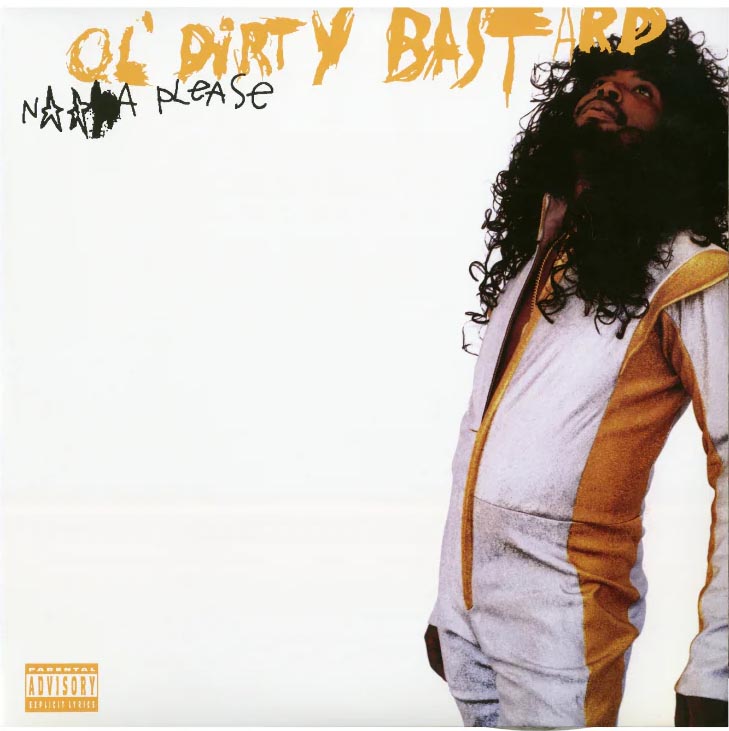
‘N**ga Please’. The last solo album Ol’ Dirty Bastard released during his lifetime was a testament to his unpredictable brilliance. It marked a significant departure from the largely RZA-produced sound of his debut, with The Neptunes and Irv Gotti giving the album an accessible R’n’B sensibility. Chart primers such as the Kelis-featuring ‘Got Your Money’ jarred with the wild, propulsive energy of tracks such as ‘Rollin’ Wit You’ and ‘I Can’t Wait’. Rolling Stone described the record as “mad-brilliant” and “the ultimate guilty pleasure”. It was, of course, certified gold. ‘N**ga Please’ dissolved underground/mainstream boundaries, propelling hip hop onto its path of global dominance.

‘Once Upon a Time in Shaolin’ Never one for a nibble, RZA enjoys the taste of an entire concept burrito. Six years in the making, ‘Once Upon a Time in Shaolin’, was produced by RZA and Wu-affiliate Cilvaringz, mostly in secret, as the latter explained to Forbes: “We’re putting out a piece of art like nobody else has done in the history of [modern] music.” In a protest against the disposability of music in the streaming era, only one physical copy of the album was produced, housed in a hand-carved nickel-silver box by British-Moroccan artist Yahya. ‘Once Upon…’ was purchased by healthcare pariah Martin Shkreli for $2m in 2015, making it the most expensive work of music ever. It was later seized by the US government after Shkreli’s fraud conviction.
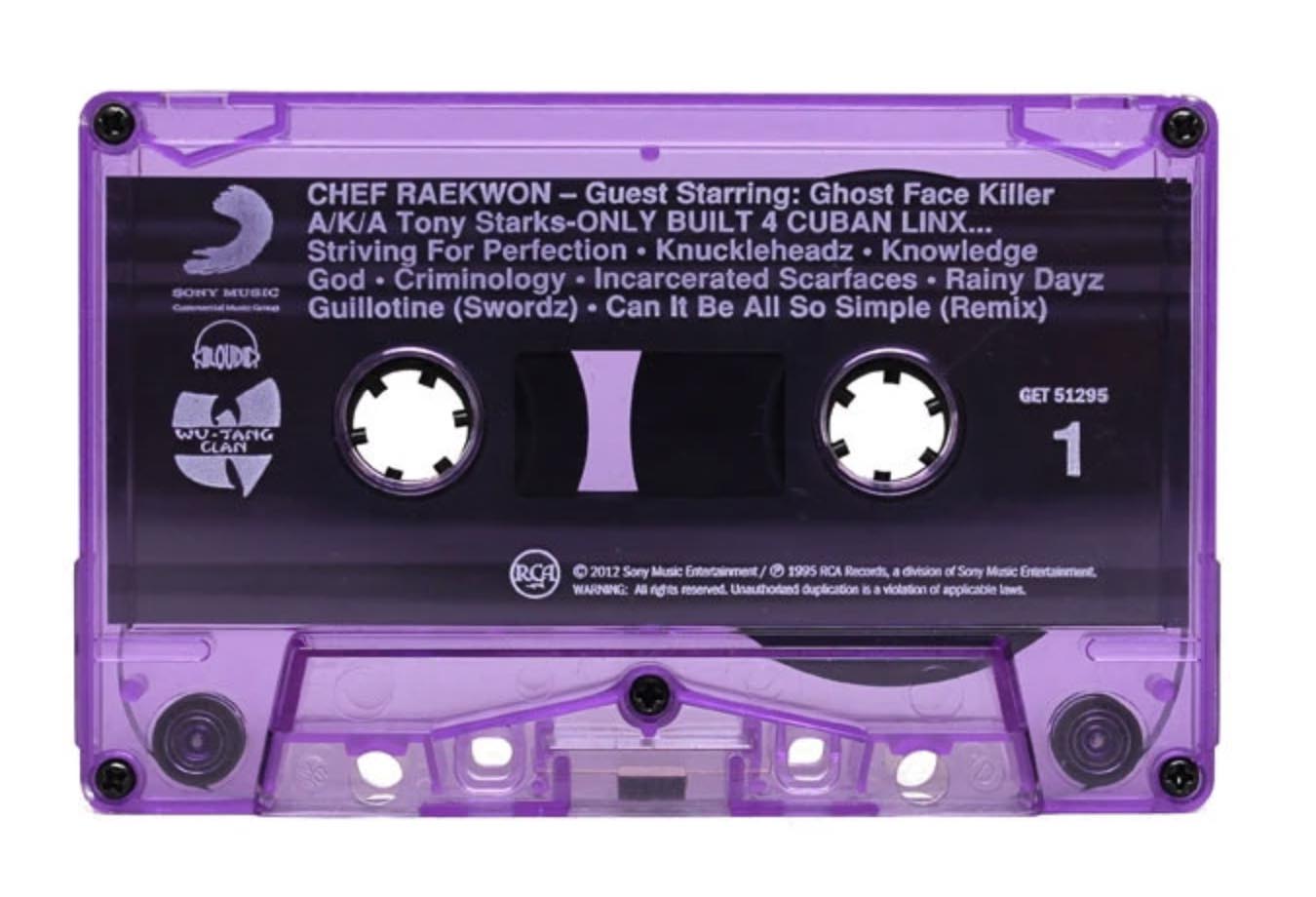
Purple Tape If you’re new to the Wu-Tang Clan universe and are curious where to begin for mafioso stories and hardcore rhymes, look no further than Raekwon’s ‘Only Built 4 Cuban Linx’. To fans it is known as the ‘Purple Tape’, thanks to the Prince-like veneer of the original cassette, distinguishing it from other ‘product’ on the market. Raekwon originally wanted the cassette to be green, but manufacturing limits left purple as the defining shade of legend.
‘Queen’ Masta Killa was the last member of Wu-Tang to release his solo album, 2004’s ‘No Said Date’. Given MK’s soulful, writerly style, it’s no surprise to learn that GZA mentored him. ‘No Said Date’ proved a much-needed tonic for fans who were searching for the first classic solo album of the early 2000s. ‘Queen’ epitomises all that is good about it – Masta Killa’s voice sounds as smooth as a silk glove ensconced on a velvet carpet over True Master’s production, sampling Curtis Mayfield’s sweet vocals on ‘The Makings of You’.
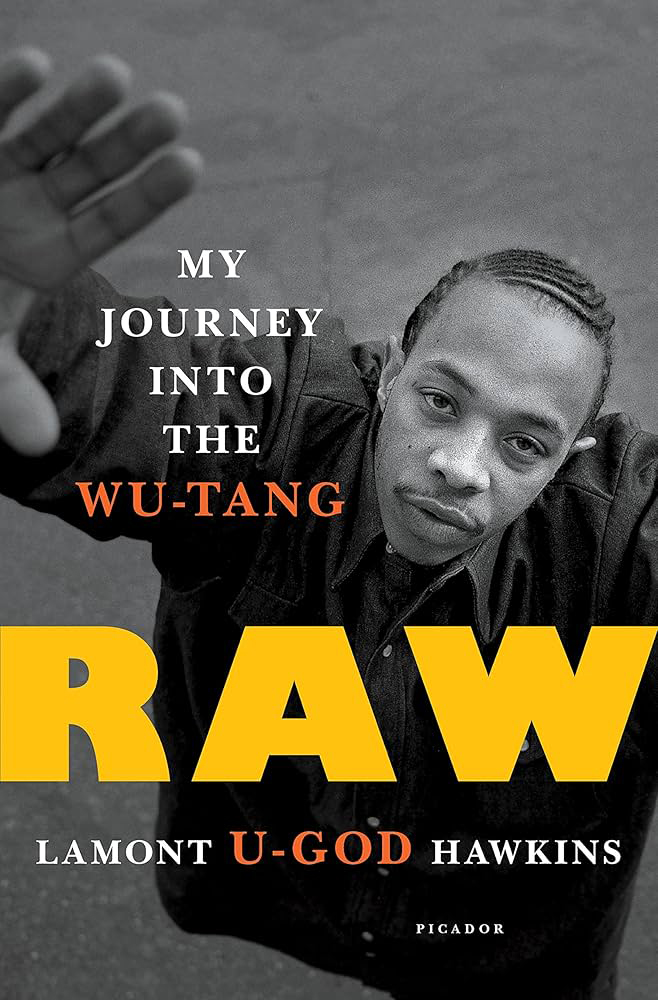
‘Raw: My Journey Into the Wu-Tang’ When it comes to a favourite MC, few fans are likely to nominate U-God: gruff and efficient, his style is an acquired taste, more pugilist than poet. Even U-God’s nickname, ‘The Four-Bar Killer’, speaks to the subtlety of his role. Yet every team needs a versatile player. Behind the scenes, he often played the mediator to the group’s colossal egos and kept working on his rhyme skills. The litigation against RZA for unpaid royalties would come later. In his surprisingly tender memoir ‘Raw…’, U-God makes peace with both his place in the Clan and the tragedies that shaped him – born of rape, raised amid death and drug dealing and his child being used as a human shield.
Side Projects The Wu-Tang universe is a never-ending cartography of esoteric beliefs, mafia slang and pop culture ephemera – not to mention the side projects. There’s RZA’s Bobby Digital and Gravediggaz, Ghost’s DOOMStarks, the unreleased, much-mythologised collaboration with MF DOOM, who later teamed with Inspectah Deck’s group Czarface. And the deep cuts, such as GZA and DJ Muggs’ chess-themed, better than it sounds ‘Grandmasters’, or Banks & Steelz, where RZA (does this man sleep?) joined Interpol’s Paul Banks for 2016’s ‘Anything But Words’, a mostly charmless rap-rock crossover. Then the affiliates: Killarmy, Wu-Tang Killa Beez and more – by which point, it feels less like an empire than a franchise.
TASCAM 244 Portastudio was used to bounce final mixes from DAT to high-speed cassette, contributing to the ‘Enter the Wu-Tang (36 Chambers)’ distinctive lo-fi aesthetic. Developed by the Tokyo-based electronics company TEAC, the TASCAM 244 was intended for bedroom demos and budget home studios. While most producers were chasing cleaner, digital setups, the 244’s EQ limitations and tape saturation gave RZA’s early recordings that boxed-in, dust-choked texture.
‘Uncontrolled Substance’ One of the biggest “what if…?” moments in hip hop history concerns Inspectah Deck’s debut album, ‘Uncontrolled Substance’. Originally slated for release in 1995, the set was delayed by four years due to the floods in RZA’s basement. He told The Breakfast Club: “Every member of Wu gets a chance to be the best. And at one point, he [Inspectah] was the best. His sword was the sharpest. If we had the production and the vibe of what his album would have been, I’m sure he would have had a classic in the ranks of ‘Cuban Linx’ and ‘Liquid Swords’.”
‘Verbal Intercourse’ Nas became the first non-Wu-Tang member to make a guest appearance on a Wu album, gracing ‘Verbal Intercourse’, yet another stone-cold classic from ‘OB4CL’. Surprisingly, given Nas’ buzzy breakout appearance on ‘Live at the Bar’ by Main Source in 1991 and ‘Halftime’, his first solo release in 1992, Ghost and Rae only discovered Queensbridge’s finest courtesy of five B-girls from overseas, with Ghost telling The Face: “They was French. They had a little van and shit. They put us on Nas’ joint. This must have been ’93.”
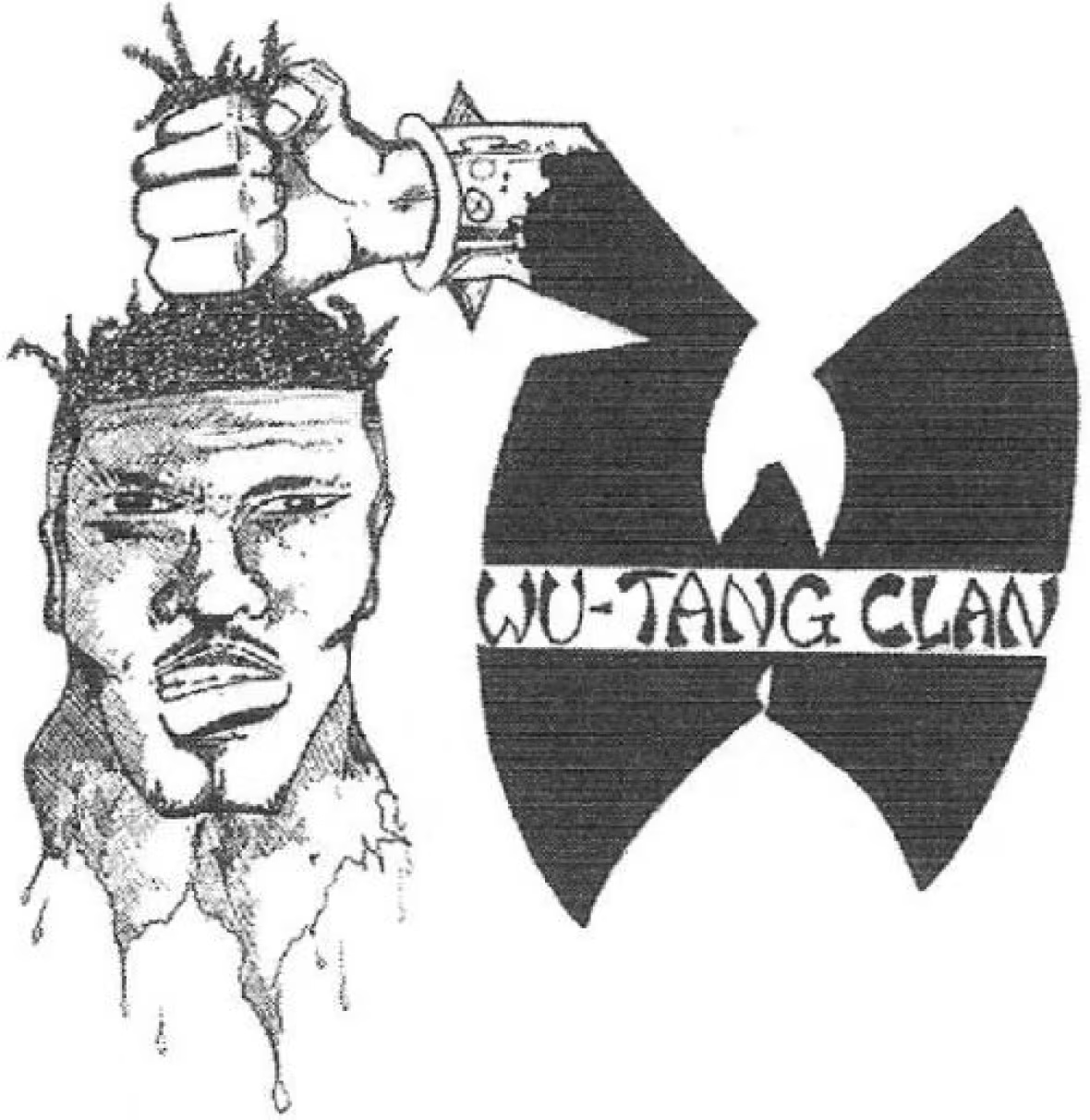
The W logo. Producer Mathematics worked on songs such as Ghostface Killah’s ‘Mighty Healthy’ and was the group’s tour DJ, yet his most significant contribution was the design of the iconic “W” logo. The original logo featured a dreadlocked severed head held aloft, symbolising ‘Protect Ya Neck’. After RZA felt it was too gory, Mathematics removed the gruesome embellishments and refined the logo with a golden bird-like quality that would fit neatly into a circle for 12s, sevens and CDs, creating the most recognisable logo in music since the Rolling Stones’ lips.
Clarence 13X. The Five-Percent Nation, or Nation of Gods and Earths, is less a religion than a “belief system”. The 5% must enlighten the 85% who are kept ignorant by the 10% who hoard divine truth. Its influence on hip hop, in general, and the Wu-Tang Clan, in particular, is highly significant. This might have something to do with its charismatic, cult-like leader Clarence 13X. A Korean War veteran and martial arts expert with a fondness for jazz cigarettes and horse racing, he was a one-time member of the Nation of Islam. Disenchanted with the NOI’s hierarchy, he radicalised the idea of Black divinity, declaring every Black man a God and teaching through ‘systems’ such as Supreme Mathematics and the Supreme Alphabet. His philosophy resonated with Harlem’s youth. One early convert, Freedum Allah – later known as Popa Wu – was a mentor (and cousin) to RZA, GZA and ODB, ensuring Five-Percenter wisdom flowed directly into the heart of Wu-Tang.

‘I’ll Be There for You/You’re All I Need to Get By’ (ft. Mary J Blige), from Method Man’s debut album, ‘Tical’, was the first Wu single to hit the Billboard Top 10, peaking at number three on the Billboard Chart. The track proved to be the first proof that Wu could appeal to both the streets and the charts.
Zig-Zag-Zig Allah The final cipher in the Supreme Alphabet translates to Knowledge, Wisdom, and Understanding and represents the final step of consciousness. The ‘Zig-Zag’ refers to the journey one takes to gain knowledge, which is rarely a straight path. The cipher also explains RZA’s name, a backronym for ‘Rakeem Zig-Zag-Zig Allah’. It saw him ‘zig’ toward righteousness and begin building a startling musical universe.
This article first appeared in issue eight of Disco Pogo.

.jpg)
