.svg)
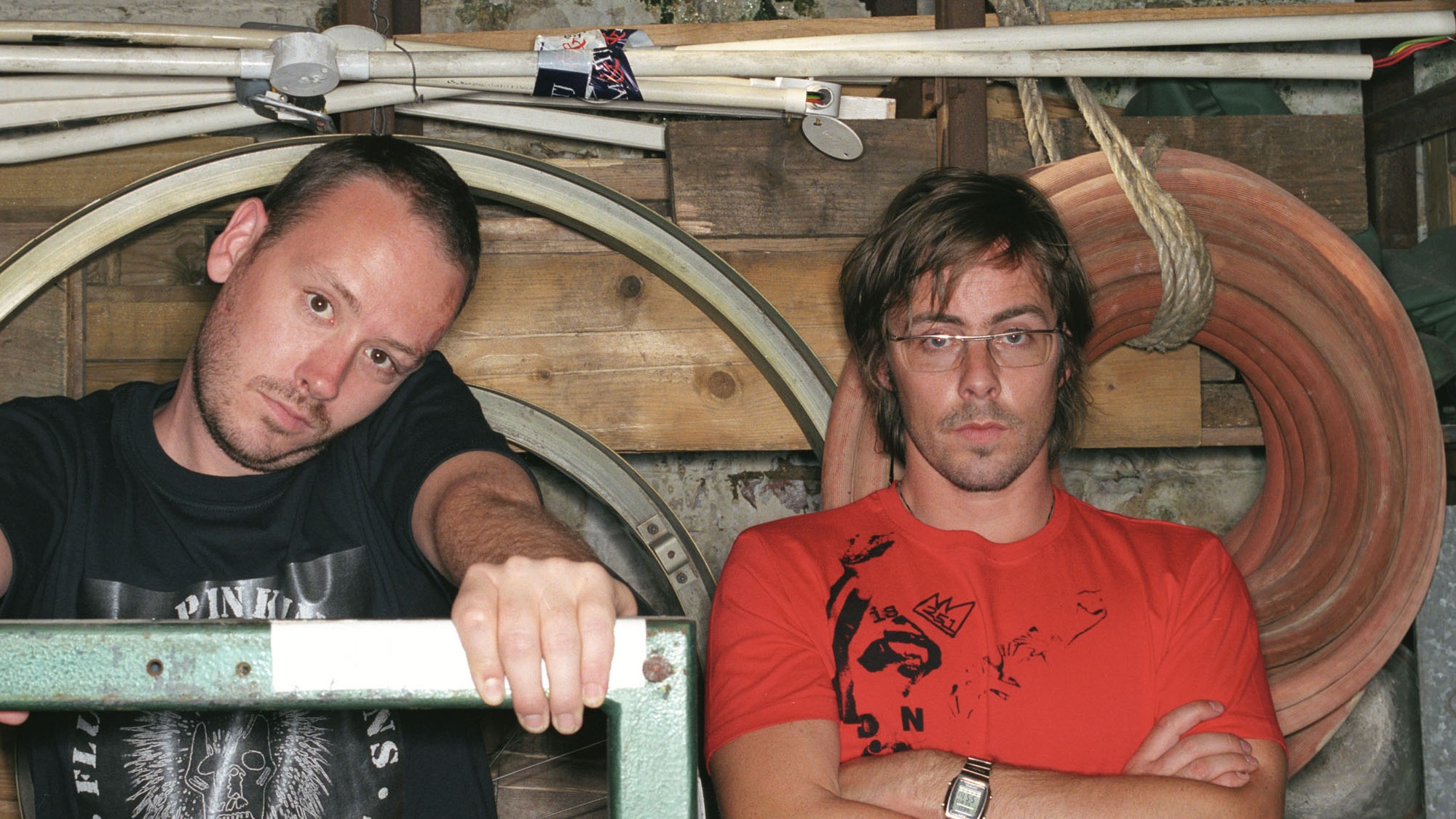
What happens when you mix two of music’s most propulsive proponents of electronic pop? When you fuse the directness of a 29-year-old Norwegian singer-songwriter and the politeness of a 50-something English producer? And what would an album recorded in a “crazy wizard laboratorium” in the East Sussex countryside and a studio nestled in the snowy Scandinavian woods sound like? The answer to all of these questions is TOMORA. A union of Tom Rowlands, one-half Chemical Brother and all whole sonic genius, and Aurora, teenage Chems fan and compelling Nordic pixie, their debut offering ‘Come Closer’ is a delightful take on whimsical techno. “Our voices and musical languages and ideas and openness became merged [in a] sense of complete playfulness,” they tell Craig McLean…
“Who is Tomora?” posted the Reddit user known as apocalypsefowl.
“WHY is Tomora?” came the riposte.
“No one ever asks HOW is Tomora.”
“Don’t worry about Tomora when Today is still here.”
It was mid-September 2025. The lineup for the Coachella Valley Music and Arts Festival 2026 had just been released and the busy-fingered philosopher-bantz merchants on the r/Coachella subreddit were scratching their noggins.
On the Californian event’s traditional, desert heat-promising poster, the Sunday lineup for the April twin-weekender had Karol G in big-point prominence at the top of the bill. Then there was Young Thug, Kaskade, Major Lazer, Iggy Pop and Wet Leg. Mid-table, strength-in-depth with Little Simz, Armin van Buuren, The Rapture, Röyksopp and (oof) Black Flag. Coming up the rear, Azzecca (“Chicago DJ/producer and COSIMEA boss”), Le Yora (“more than a DJ-producer project, they’re a three-artist collective building a self-contained creative world across music, design, fashion, and visual art” – Beatport) and last-but-not-last Samia, a singer-songwriter from Los Angeles.
And there, propping up the bottom, someone/thing called Tomora – not, at this point, in caps.
Social media was aflutter about this mystery artist. “Pouring [sic] over the Coachella lineup wondering if someone’s got clues on TOMORA? Looked on Insta and SC but I’m not getting much luck. Anyone?”
“Any clue on TOMORA? Lineup places them on the YUMA [stage] so probs electronic?”
“Calling it now: Tomora is gonna be the breakout name we all pretend we discovered first.”
For six weeks, confusion for Coachella’s codebreakers. But no one in this online Bletchley Park-of-beats knew anything. Then, in early December, “semisemicoloncolon” entered r/Coachella with a mic drop.
“PREPARE FOR A TRUTH NUKE. WE’VE CRACKED THE CODE!!”
Said user, a “massive Chemical Brothers fan”, had busied themselves on SACEM (the Society of Authors, Composers and Publishers, a French songwriters’ association). Trawling YouTube, too, they had found a 30 October upload of the Chems DJ set at Toulouse’s Poney Club on 22 August 2025. One shaky snippet of fan-posted phone-footage featured a track being played out with the refrain “Ring the alarm!” sung repeatedly by a female vocalist.
“THANK YOU SOOOOOO MUCH,” posted one grateful viewer. “I’ve been desperately searching for this song ever since I first heard it at the CB DJ set at Parco Gondar in Gallipoli last 9th of August.”
After other users weighed in with equal enthusiasm, a few weeks later an account called TOMORAOFFICIAL responded with a (either a tight-lipped smile, a heavy-lidded stare or Poirot’s moustache; all valid, TBF). That TOMORA account had one song on it. It was called ‘Alright Ramen’. And that, word puzzle fans, is an anagram of ‘Ring the Alarm’.
For semisemicoloncolon that – combined with song authorship details they’d found on SACEM – was the “smoking gun”. Meanwhile, Redditor “sandorbeni” had found the smoking machine-gun: on the UK government’s Companies House website, they had located TOMORA LIVE LLP. It had two officers, both registered on 4 November 2025: ROWLANDS, Thomas Owen Mostyn and AKSNES, Aurora.
Tom. ’Ora. Tomora. TOMORA. Mystery solved?
For apocalypsefowl, credit where credit’s due. “If this is the truth, amazing work.”
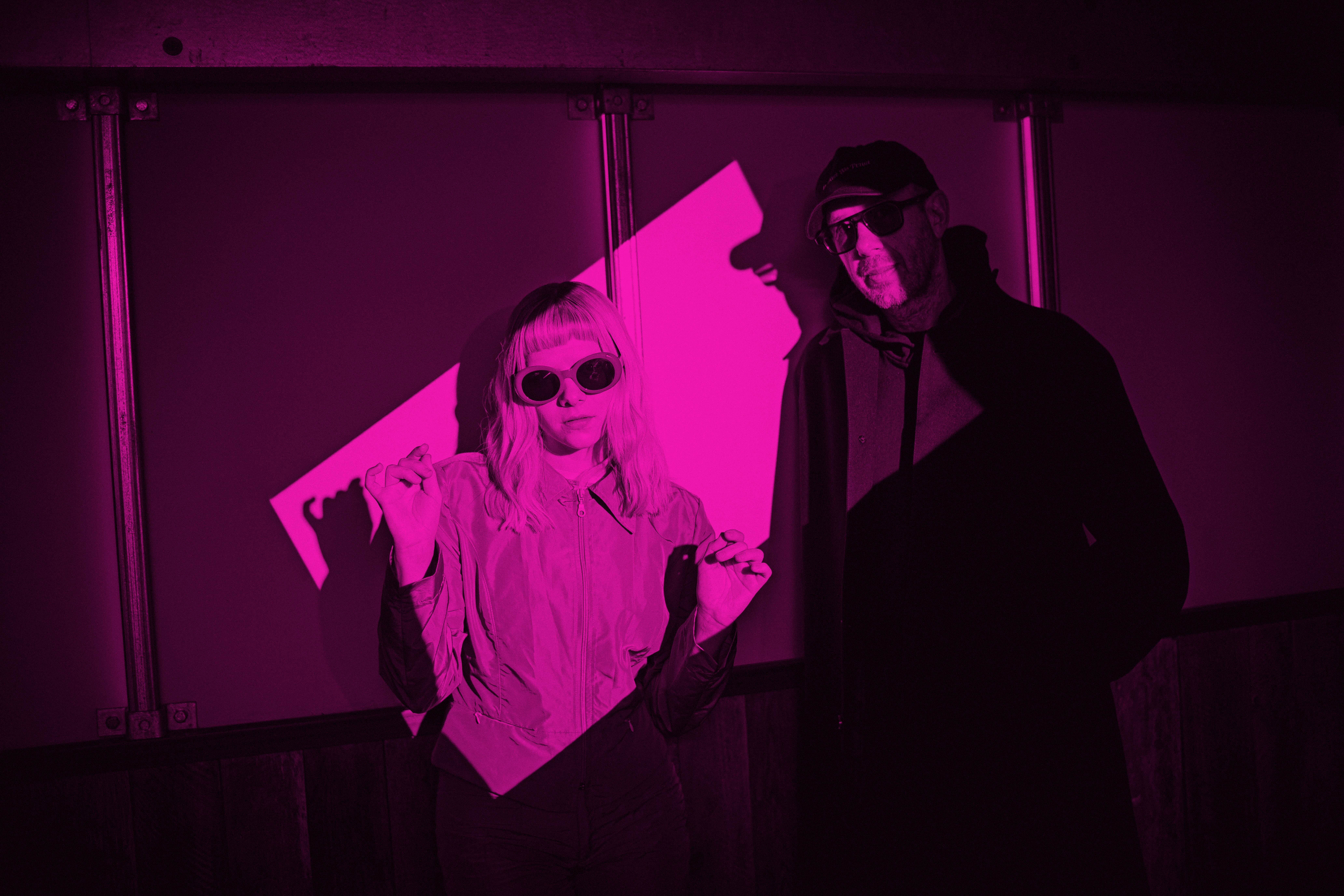
Yes, it was true. An artfully teased secret project involving one half of The Chemical Brothers and the Norwegian singer-songwriter Aurora. An album, a tour, a collaboration upending Coachella excitement from the very bottom of the bill. Let the beauteous and thunderous beats overlaid by ethereal and/or Valkyrie vocals commence.
Aurora: what’s Tom’s most English quality?
“He’s very polite. Very like: ‘Oops, I’m sorry... Yes, I’m sorry... thank you...’”
And Tom: Aurora’s most Norwegian quality?
“Her directness! That [and politeness] are a great combination in the studio.”
“It was fun to be a secret for a little while,” Aurora is saying. “I did forget that they would recognise my voice, because I thought we could keep the secret forever. And then I realised: I sound like myself, don’t I?”
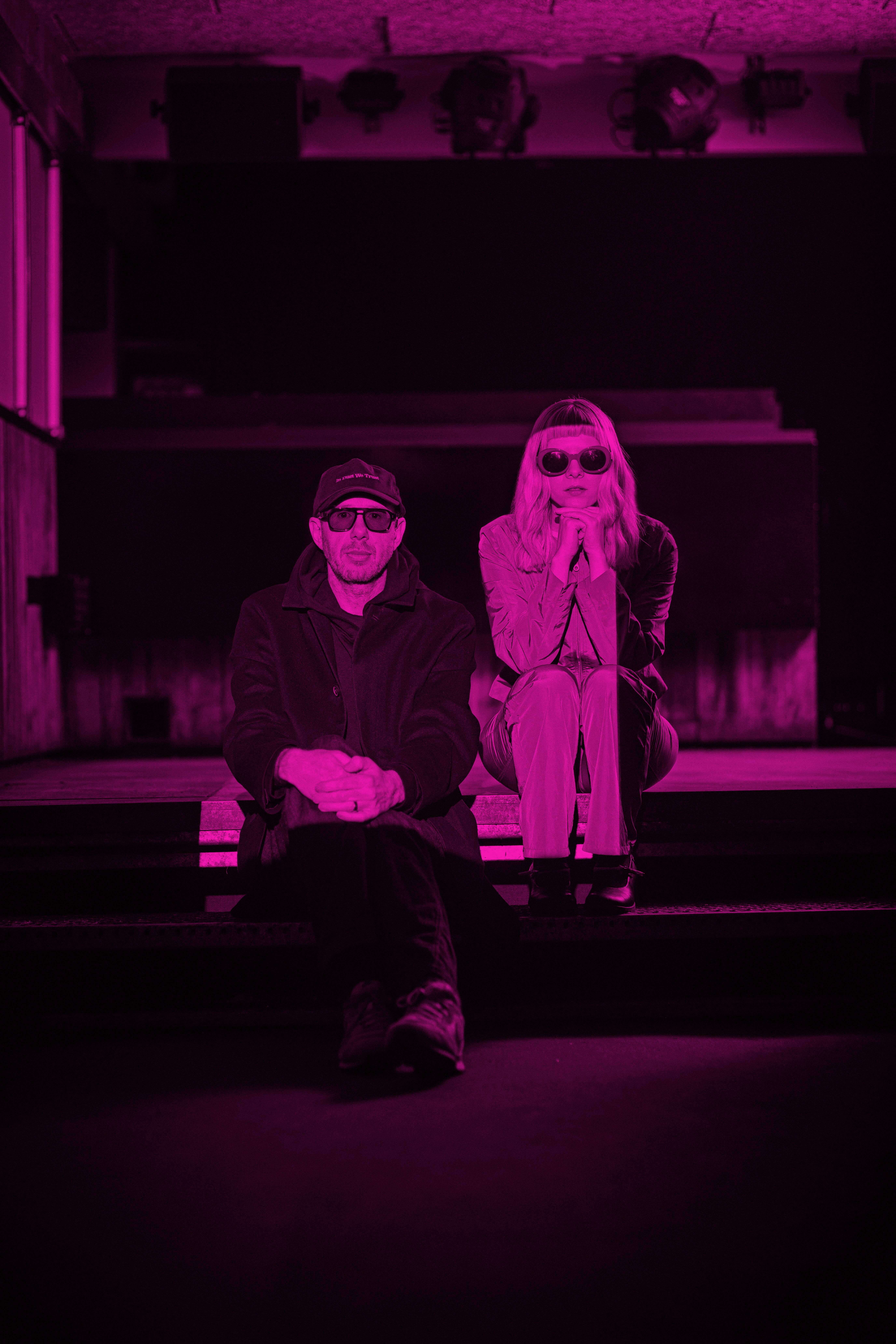
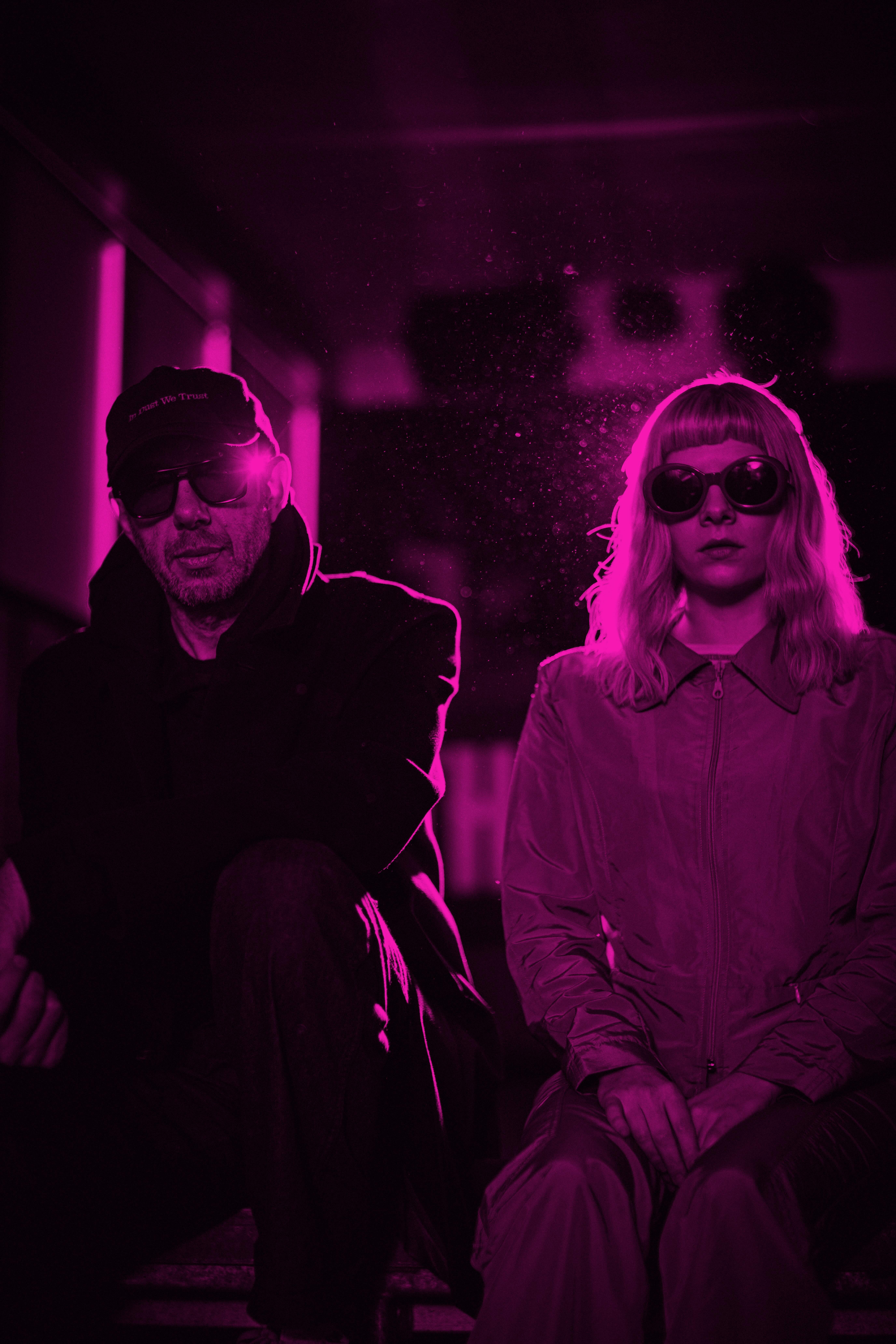
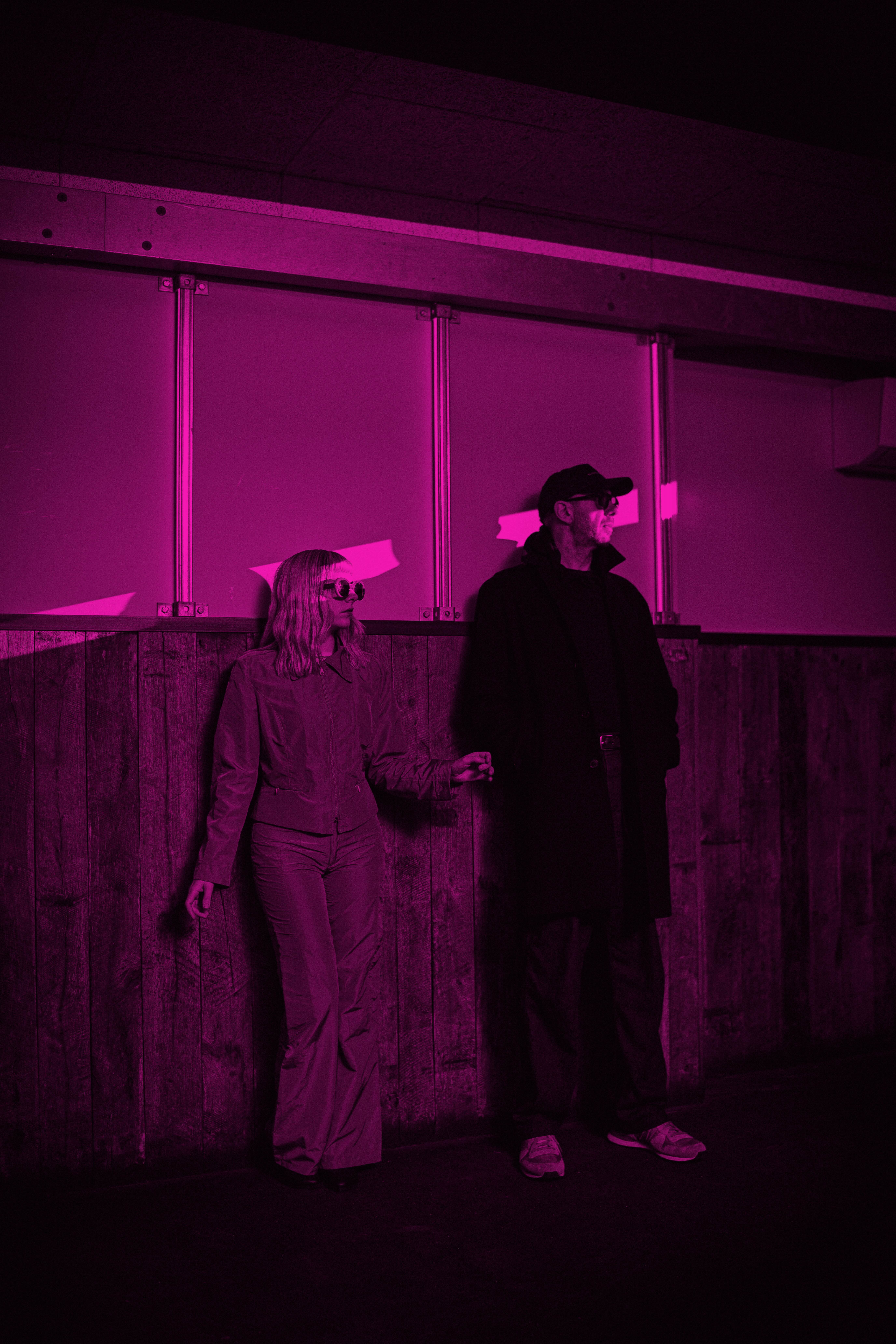
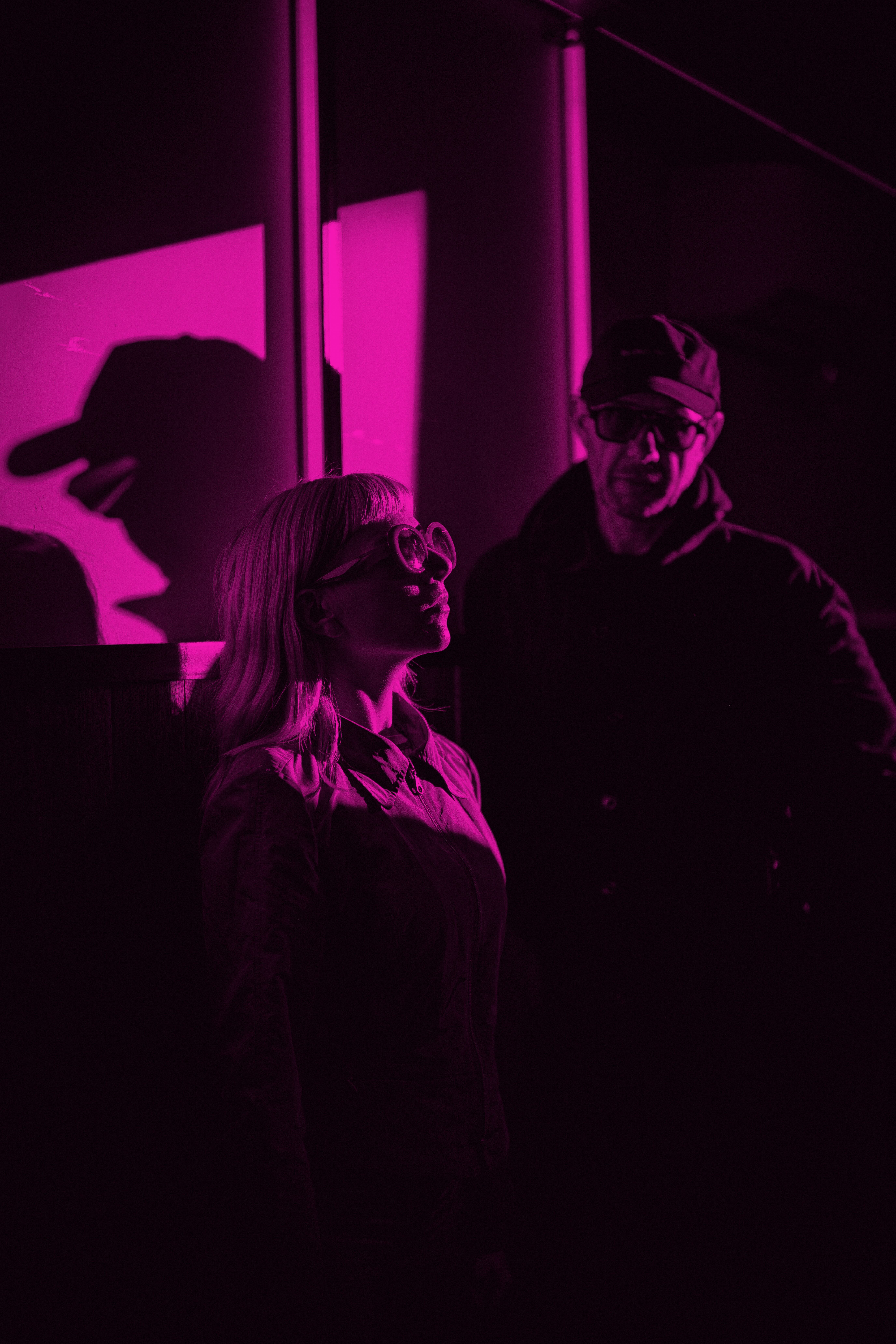
It’s a gloomy-grey, late January morning in the concrete-sauna-style vibes of The Social bar in central London. The artists formerly known as Coachella 26’s most baffling booking are here, in the flesh, eating bananas and easy-peelers, reflecting on their recent “outing”. This is their first deep dive into the album they’ve called ‘Come Closer’: 12 tracks recorded over two cumulative weeks in a handful of creative bursts that stretched across the first nine months of last year, with sessions taking place in Tom’s studio, Rowlands Audio Research, in rural Sussex, and Aurora’s studio next to her childhood home in the woods one hour south of Bergen.
It is, too, the first proper joint interview for Tom, 55, and Aurora, 29. They might be well acquainted – as all Chems-heads know, their relationship stretches back to 2019’s Grammy-winning ‘No Geography’, on which Aurora sang three tracks (‘Eve of Destruction’, ‘Bango’, ‘The Universe Sent Me’) for Rowlands and partner Ed Simons (who, Rowlands says, is fully up-to-speed with TOMORA but has yet to voice an opinion on the music). But they’re still getting used to talking about the project they began working on in January 2025.
“Now it’s more, you can say, a bit more open?” continues the small, pale, white-blonde singer and songwriter – her English, of course, nigh perfect, her Aurora aura, with perhaps equal inevitability, perfectly Scandi-pixie.
“We’ve talked about it a bit,” counters the tall, almost-equally-pale Rowlands, scootched up next to her in the booth, his English also excellent. Evasive to Aurora’s effusive, he’s referring to a fleeting Zoom they did “with Japan”, one of the (many) global hotbeds of Chems mania. “Because then we were like: ‘This is the first time we’ve talked about it...’”
To warm us up, is Aurora aware of her new-slash-old creative partner’s connections with the gaff in which we’re sitting. Eyes-widening, she says she is not. Rowlands is encouraged to fill her in.
“It’s a loooong story…” he begins, looking momentarily pained. “Erm, where do we start? Well, when we first started DJing, me and Ed, a guy called Robin Turner came to see us play. He worked for Heavenly. He came to see us in Manchester. And [afterwards] he was like: ‘I’ve seen these two guys. They do this crazy thing mixing together, this wild mix of music.’ And we were in Manchester at the time. And he’s like: ‘You gotta do this in London.’ So we came to do it in London.
“Then they [and us] started doing an event on a Sunday night in the basement of a pub playing to 100 people or something – The Albany, which is just up the road. A very unassuming sort of pub, but it was quite a good party,” he says, putting on a newsreader’s accent, as if to distance himself from any hint of self-aggrandisement, “called The Sunday Social. And this [gestures to The Social’s upstairs bar area] is basically the product of those moments.
“But it was quite a fun nighttime in the 90s. Then there was another club in a more heads-down techno-Armageddon place – Turnmills…”
And that, Socialists, is how Tom Rowlands explains a foundational 1990s British club/music revolution to a Scandinavian half his age.
“That’s wonderful,” says Aurora, smile now as wide as her eyes, “I really like it.”
This is, then, an appropriate place to come closer to ‘Come Closer’, the kaleidoscopic and kinetic first album from TOMORA. It throbs and wobbles and wails with ambience-in-the-nunnery clarion calls (the title track); lose-your-shit klaxons (‘Alright Ramen’, sorry, ‘Ring the Alarm’); Edith Piaf-goes-squelchy-dub champagne chanteusery (‘Have You Seen Me Dance’); pitched-down comedown seduction from a femme/homme fatal(e) (‘A Boy Like You’); Björkian sun’s-up/hands-up rave (‘I Drink the Light’); and Enya-on-ket dronescapes (‘Wavelengths’ – altogether now: “The mother always saves me before she lets me drown…”).
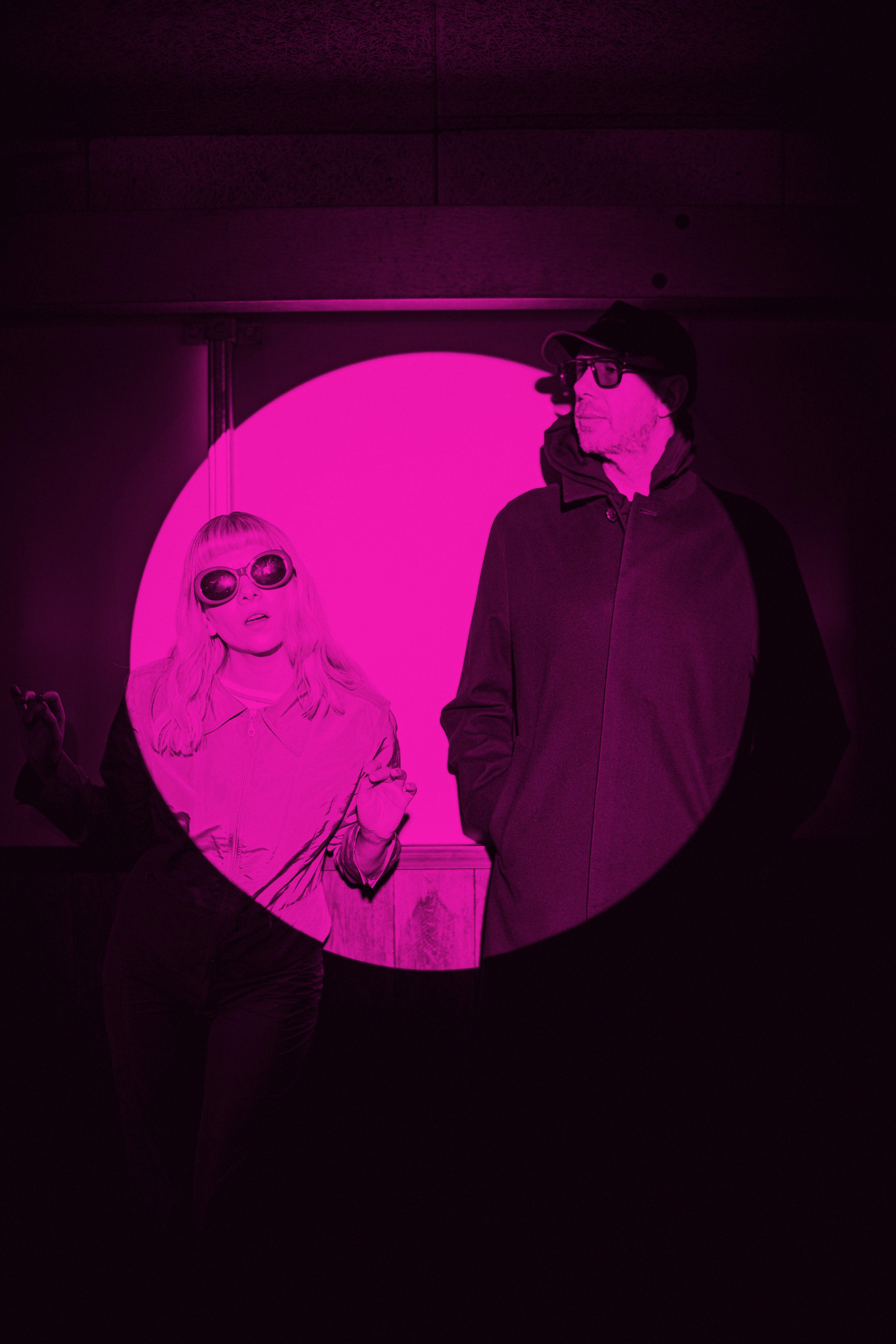
Across this Aurora multiverse, a feast of ululations and croonings and rave-diva majesty, the omni-talented Norwegian more than living up to the billing given to her in the title of one of her online fan communities: Warriors & Weirdoes.
It is, most certainly, a record offering a different take on techno: less heads-down-Armageddon, more – in Aurora’s words – “whimsical techno”.
That’s a good descriptor “because me and Tom, we are quite whimsical people, believe it or not. We are very similar, which we learned the more we had fun in the studio. Our voices and musical languages and ideas and openness became merged [in a] sense of complete playfulness and no expectations. Very freeing and very nice.”
That freedom, she elaborates, means “it’s not all techno”. And it’s not all, strictly speaking, Aurora. She does sing every song, with occasional backing from Amalie Holt Kleive (“She has sung in my band for three years. An amazing singer and multi-percussionist and instrumentalist. Fabulous woman and artist”). But the characters inhabiting each are different. “We explored all these different voices and people a woman could be. How many people can this woman be?”
“The strength of each character within the songs blew my mind, really!” adds Rowlands, his rat-a-tat laugher strafing our booth. “It’s very free, isn’t it?” he continues. “Our studio life is [characterised] by never discussing what we want to do… It’s just a response to sounds we’re making in the studio.”
“Things naturally become whimsical, to me, when humans don’t analyse their behaviour,” Aurora goes on. “I think that’s what people mean when they think of someone. ‘Oh, she’s a bit whimsical...’ That’s just people who don’t overthink their natural behaviour or what they do.”
Aurora, you’ve covered Noel Gallagher, singing ‘Half the World Away’ for the 2015 John Lewis Christmas advert. Tom, you’ve collaborated with him, on ‘Setting Sun’ and ‘Let Forever Be’. A Noel story each, please.
Aurora: “When I met him at Glastonbury, I was very distracted by Lewis Capaldi playing. But Noel said: ‘Oh, nice to see you. Thank you. Because of you I could buy a new kitchen.’”
Tom: “That sounds about right… He’s a man who knows his own mind. I love working with Noel. I love Noel. He’s one of the greats. The Oasis reunion – those gigs were mindblowing.”
For Aurora, the desire to pursue BPM-powered “whimsy” arose out of the long-tail rinsing she felt after touring ‘What Happened to the Heart?’, her 16-track fourth album. Released in 2024, it featured some Rowlands production after Aurora invited him to “puke vomit” on the track ‘My Body is Not Mine’.
“My music is very playful, of course. Because I am very playful. But it’s also, at times, very serious. And often when I come off the stage, I’ve been crying. I’ve maybe seen people crying [in the audience]. It’s very political. My [songs] have a lot of the state of the world on their shoulders and are very vocal about it. And I am.
“Which gives me a lot of inspiration” Aurora continues. “But also, it is very demanding. Just because you can get a bit locked in the darkness of the world, [or] in hope. It’s just very heavy. I feel it in my heart and my brain when I’ve done a show. And [I had] been on a two-year tour. I just needed a break from the heaviness of my world…” Crucially, on top of that: “I still love dancing and making music and having fun.”
For Rowlands, his heaviness came, most immediately, from the project in which he’d been immersed for much of 2024: creating the score for ‘Mussolini: Son of the Century’. Sky television’s multi-part, multi-dimensional, Italian-language historical drama about the 20th century fascist leader was directed by filmmaker and long-standing Chemical Brothers friend Joe Wright.
“I was daunted,” he admitted when discussing the project last January. “About halfway through I was like: ‘I don’t know if I can do this…’ It was so much music. Also, the level Joe wants it at. It’s not like a TV show where you can put some filler in. Not that I would do that, but TV shows are incredible for their turnaround: people have a week to compose an episode. It wasn’t that.” Then there was the imagery and narratives he was soundtracking. “It does shock me,” he said of the footage he’d been scoring, “the violence in the show. It’s just horrible.”
So, yes, he nods now, “a series about the rise of Italian fascism – that was quite a heavy project”.
“So you also were in a kind of crying state!” Aurora says to him, cheerfully. “It’s basically what we had both been doing in [our music]: crying about capitalism and the state of the world.”
Taking the longer view, Rowlands was also seeking a respite from the depth – the heft – the responsibility – the Reddit-ploughing standom – of The Chemical Brothers. His day job is a “big sort of monolith thing”. So he was hankering after “just the joy of making music without the weight of expectation, or the weight of what it should be, or what it has to be. When I got in touch with you,” he says, addressing Aurora, “to do this, it wasn’t with an expectation of making an album, or playing live, or any of those things. It was after finishing a tour and being a bit like: I’ve made 10 Chemical Brothers albums. I just need some other thing to think about every day.”
He’d first been struck by Aurora at Glastonbury 2016. For those survivors, that’s the Brexit Glastonbury. One of the muddy AF Glastos. For Rowlands, watching at home, comfy and dry and still high on the dream of a borders-free Europe where we didn’t have to stand in long-arse immigration queues at continental airports, it was the Glastonbury where he hit a BBC iPlayer red-button and caught sight of a Norwegian, freshly turned 20, performing in a mid-afternoon slot between Rat Boy and Half Moon Run in the John Peel Tent (as was).
“I was sitting on my sofa and was like: ‘What is this...?’” he remembers. “Something came out of the TV towards me, and I was like: ‘Wow, that’s an amazing combination of power and vulnerability and fragility. But strength, too. And this voice!’”
Aurora’s memories of her first Glastonbury? That she didn’t tell her family, who were with her, “that it was gonna be muddy. And both my sisters came in these tiny, tiny sandals. Eventually, we just saw these [abandoned] sandals far, far away in the mud. And they just kept going around barefoot, like me.” On top of that, the solo artist was deep into the touring in support of that year’s debut album, ‘All My Demons Greeting Me as a Friend’, a Norwegian chart-topper that made her a teenage breakout star at home, across Europe and beyond. “I remember being very tired and being like: ‘Oh my God, I forgot that I have a thing to do...”
That “thing” had such an impact on Rowlands that, the following year, as he and Simons began work on ‘No Geography’, he emailed. Might Aurora like to come to England to work on The Chemical Brothers’ next album?
When asked why she was The One, he blusters, flustered.
“I mean, I just love collaboration. I love working with people,” he shrugs, a producer who, of course, has worked with vocalists galore (although never three times on one album, as he would end up doing with Aurora on ‘No Geography’). “It’s always a chance for me to go into a different world. To find how someone thinks. How someone approaches things. They don’t always work but it’s a chance to do something.”
And for her? “The first and the last time in my life where I’ve been starstruck was when I got a mail from you!” Aurora says now, fangirling, still, to Rowlands. Little did he know that aged 15, a girl whose childhood exposure to popular music had solely been Enya, Dylan and Cohen (her parents’ tastes were, shall we say, narrow) had fallen hard for The Chemical Brothers’ soundtrack to Joe Wright’s 2011 thriller ‘Hanna’, starring Saoirse Ronan as the titular, forest-dwelling hitwoman. “It was the first music I discovered on my own,” she says. Not only that: a 15-year-old girl on her own in snowy Nordic woods? Yeah, Aurora could relate.
Rowlands’ 2017 email also arrived with propitious timing. “I needed it,” says Aurora intently. “I’d been touring forever. That’s maybe why I can’t remember Glastonbury 2016 so much, because I think I had over 300 shows that year. It was my first world tour and I remember almost quitting being an artist. I thought: ‘This can’t be for me. If I almost die from my music, then I can’t do it anymore.’ I just said yes to everything. I didn’t know you could say no then.”
On tour in America at the end of 2016, Aurora was hospitalised in Portland with severe stomach pains. She ended up having her appendix removed. But when she resumed touring only eight days later – “the most difficult thing is to cancel a concert,” she said at the time – her stitches burst. It was time, finally, to go back to Bergen.
Convalescing back home with her parents, “I got the mail from Tom just enough time after – I had already rested. And I thought: ‘Well, this I want. This is a clear yes. It’s not obligation. Not something I have to say yes to. Not something where I don’t know how much I can say about my feelings about things.’”
Even better: as soon as they met ahead of the ‘No Geography’ session, the musical connection was instant.
Aurora: “I remember Tom being so sweet, I couldn’t believe it when he picked me up at the train station. He had music on in his car – Chris Brown was on really loud.”
Rowlands: “Not Chris Brown! James Brown!”
Aurora: “James Brown! A live album. It was really loud. And he was just there, by the car, [going] ‘woohoo’! And I was like, ‘Oh!’ So it began with this very safe space, just dancing and singing along. It began very playfully. We had music energise us in our first meeting. It was so sweet. I felt so, like, safe and not nervous. And it was very easy to have ideas, because he was so easy to be around. It was absolutely wonderful.”
Rowlands: “It’s quite a leap – someone emails you [with an invitation]. Then to just arrive at the airport on your own and being like, ‘I don’t know what I’m doing....’ But it’s a dare to try it. Sometimes it cannot work.”
This one worked. Those three tracks, banged out in two-to-three hours each day, over three days. They established a working pattern that, eight years later, they would replicate in the ‘Come Closer’ sessions. She came armed with words and phrases in her notebooks (“eve of destruction” and the ‘Universe Sent Me’ line, “you should know, I lied when I told you I was nervous”) and Rowlands would respond in the studio. Or vice-versa: she would vocalise words suggested to her, synaesthesia-style, by the synth sounds and chord sequences he conjured.
Stepping into Rowlands Audio Research was like entering a “crazy wizard laboratorium [sic]. You think if you touch the wrong thing, you might go to space. Or change reality. You never know. So I’m trying to not touch too much”.
“We’re trying to change reality daily!” says Rowlands.
“It was amazing to be in there. The first thing I said was: ‘On which synth did you make ‘Escape 700’ from ‘Hanna’?’ And then I got to play it! I never washed my hands again.”
The visit was inspiring in other ways, too. When she returned to her parents in Bergen, May Britt and Jan Øystein Aksnes were amazed at the change in their daughter. “They always say that they love Tom so much. Because they say something happened when I went there to this countryside, beautiful place. That I returned with a new... spark, actually. It was a big thing for me that made me so empowered and so ready for new things.
“I was,” she says intently, “a different Aurora when I came home. So my parents are like, ‘Oh, we never forget. That’s why we always loved Tom Rowlands.’”
All that? News to Rowlands until he rocked up to the family home last year for the second TOMORA session. As Aurora puts it: “My mum said: ‘We’re so grateful!’ maybe 10 times an hour.”
At the time of our meeting, TOMORA are nine weeks out from their debut live shows, in Manchester and London. Ahead of them, those Coachella performances and, further ahead, a summer of European festivals. Regular Chems’ visuals man Adam Smith is building on his already-established imagery for TOMORA’s artwork, videos and social media “content” with a new stage production. Amalie will be joining them onstage because, says her bandmate, “there’s so many vocals, and we want the performance to be DJing and playing and singing live. So it’s a bit of a new thing for both Tom and I.”
It also seems like they’ve nailed the set-closer: the album’s final track, the hurtling ‘In a Minute’, in which Aurora and Amalie go at it, spitting syllables with a fury to match Rowlands’ locomotive beats. Aurora remembers them thinking in the studio: “We need one more song, especially for the live experience, one song that’s going at you like train machinery. Pixie techno, I call it.”
Pixie techno finale aside, they’re still working out the nuts and bolts of how they’re presenting TOMORA onstage. Will Tom Rowlands, though, retain his traditional spot at the back, safely barricaded behind banks of equipment?
“Hoping to!” he replies cheerfully-fearfully.
“I’m trying to get him out!” exclaims Aurora. “These are good questions. We have to figure it out [in production rehearsals] in March. But everything that comes on top of the music is just nice. But I feel like we already have the most important things: the songs.” And those songs, she adds, pivoting to Rowlands once more, beaming, have turned out exactly as they intended. Remembering his initial invitation to work together again, she recalls: “You said: ‘Do you want to just be in the studio for fun and write something?’ And I’m like, ‘Yes, of course!’ Because it’s so nice to just make music. Because that’s our behaviour also. It’s not only the job. And it is fun. Tom was dancing in the studio!”
“No one needs to see that!” insists Rowlands.
“I have seen that,” confides Aurora, leaning in across the booth in The Social, the bar the Chems built, with something like a wink. “And it’s glorious.”
Describe each other in three words.
Aurora: “Tom is humble.... Genius... And long.”
Tom: “She cannot be boiled down to three words. She’s a multitude all at once.”
Aurora: “I’m happy with that! TOMORA are a humble, long genius and a multitude.”
This article first appeared in Disco Pogo issue 9