.svg)
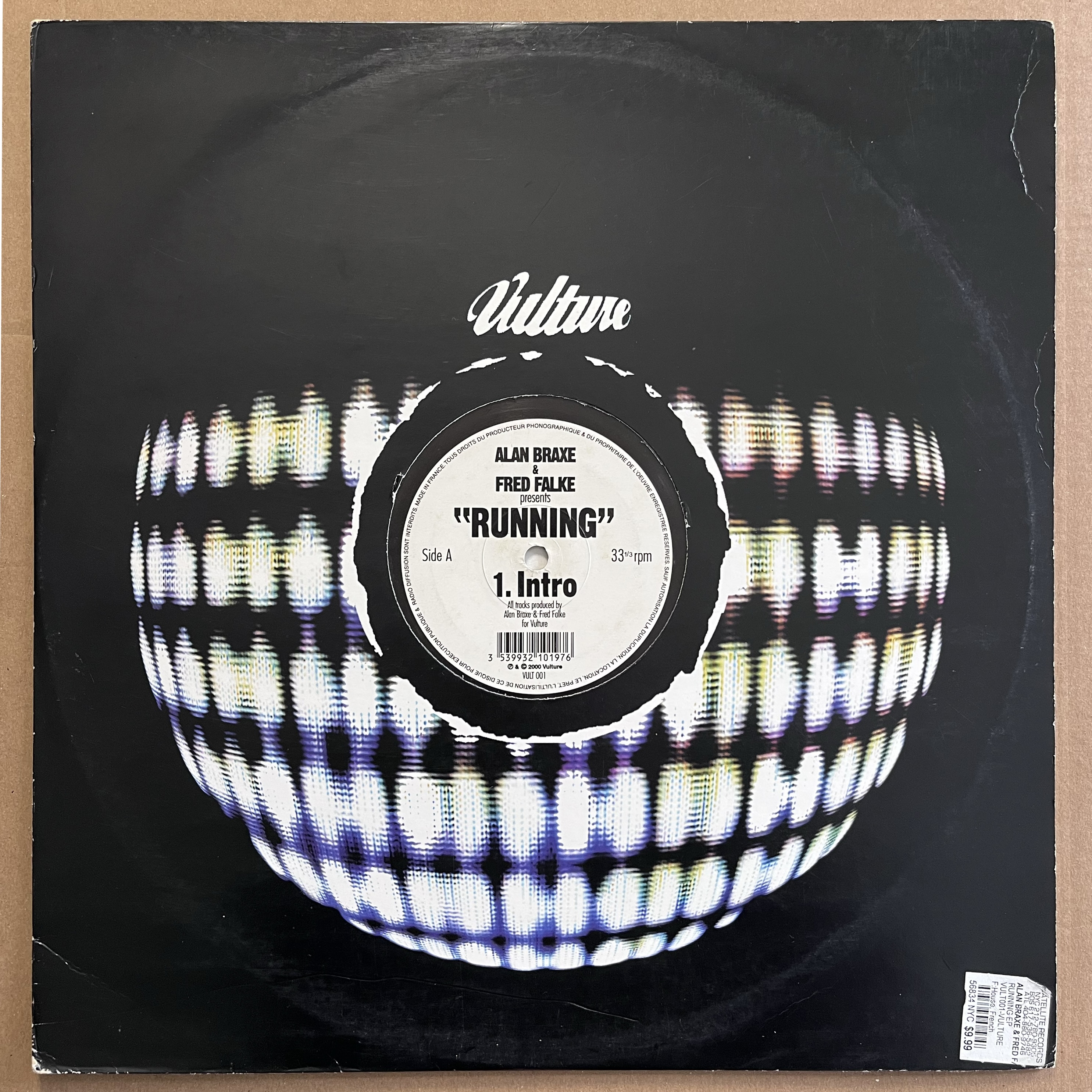
An eerily hypnotic vocal sample, a 4/4 drum beat and a bassline that could have come straight from the fingers of Chic’s Bernard Edwards created one of dance music’s most memorable and enduring moments in 2000. Not bad for an afternoon spent in Alan Braxe’s parents’ basement.
Origins
By 2000, the French Touch sound was dominating dancefloors around the world. Buoyed by the success of Daft Punk’s ‘Homework’ and Thomas Bangalter’s Roulé label, the heavily filtered sound – which added a touch of nonchalant French cool to the classic building blocks of Chicago house – reigned supreme. Madonna was mining it for inspiration for her upcoming ‘Music’ album and the sound was spawning genuine global hits. And Alan Braxe was growing into one of the scene’s main protagonists. His 1997 track ‘Vertigo’ had caught the attention of Bangalter who released it on Roulé.
Then in 1998, the pair formed Stardust alongside Benjamin Diamond and released ‘Music Sounds Better With You’. The track was inescapable that summer, went to number two in the UK charts and to this day is still considered to be one of the greatest dance tracks of all time. When Braxe bumped into Fred Falke (an old acquaintance recently back from a stint working in Hong Kong as a session musician) in a record store, fate set the wheels in motion for another collaboration which would lead to the creation of a seminal dancefloor record.
Falke: “One thing a lot of people probably don’t know is that myself and Alain (Braxe’s real name is Alain Queme) actually met in the army. We were there in the early 90s and played in the marching band together. After that, I went to Hong Kong for a number of years. I was working as a session musician playing the bass. I was doing well out there but in 1997, 156 years of British colonial rule ended and Hong Kong was handed back to the Chinese, which meant I lost my visa. My musical background’s jazz really, and at that time, I wasn’t really interested in the world of electronic music at all. But I came back to France, was in a record store and bumped into Alain. It was such a random coincidence but we had a chat and decided we should hang out and try and make some music together.”
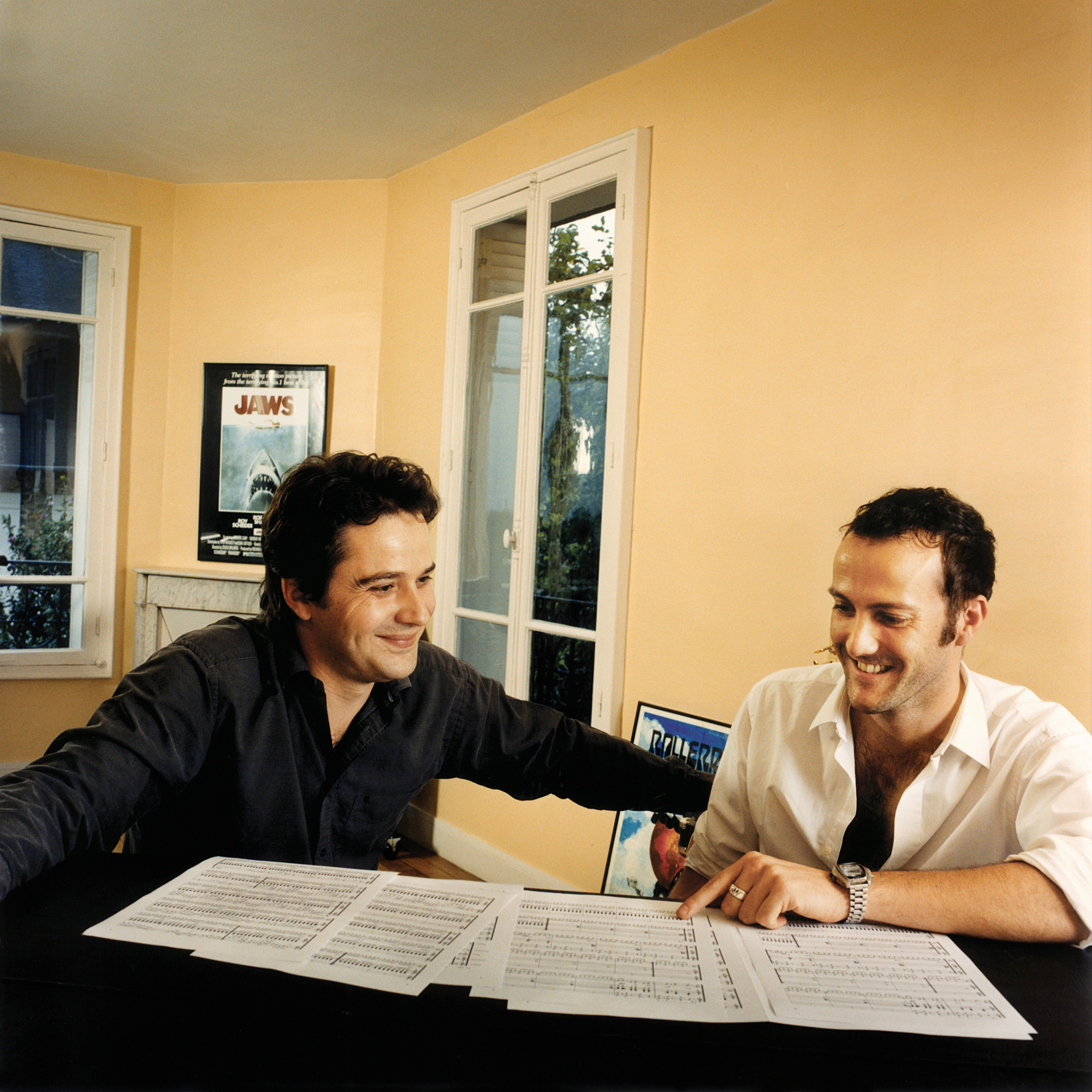
Braxe: “After the army, I was at a bit of a loss of what to do with my life. Music was something I’d always loved since I was a kid and I just decided to give it a go. I had nothing to lose. I kind of set myself a challenge of dedicating a year to it and seeing where I was after that. Luckily, in that time, I produced ‘Vertigo’ and that caught Thomas Bangalter’s attention and ended up coming out on Roulé. Then we made music together as Stardust with Benjamin Diamond which obviously went on to be really successful globally. So when I bumped into Fred in the record store, I’d started to have some success. But I thought myself and Fred working together could be a match made in heaven. I was into the engineering side of music really. The sampling and using drum machines and producing side of music. Fred’s a professionally trained musician so it was like the collision of these two worlds. I had a really basic studio set-up in my parents basement and we started meeting there and working on some sessions together.”
Sample inspiration
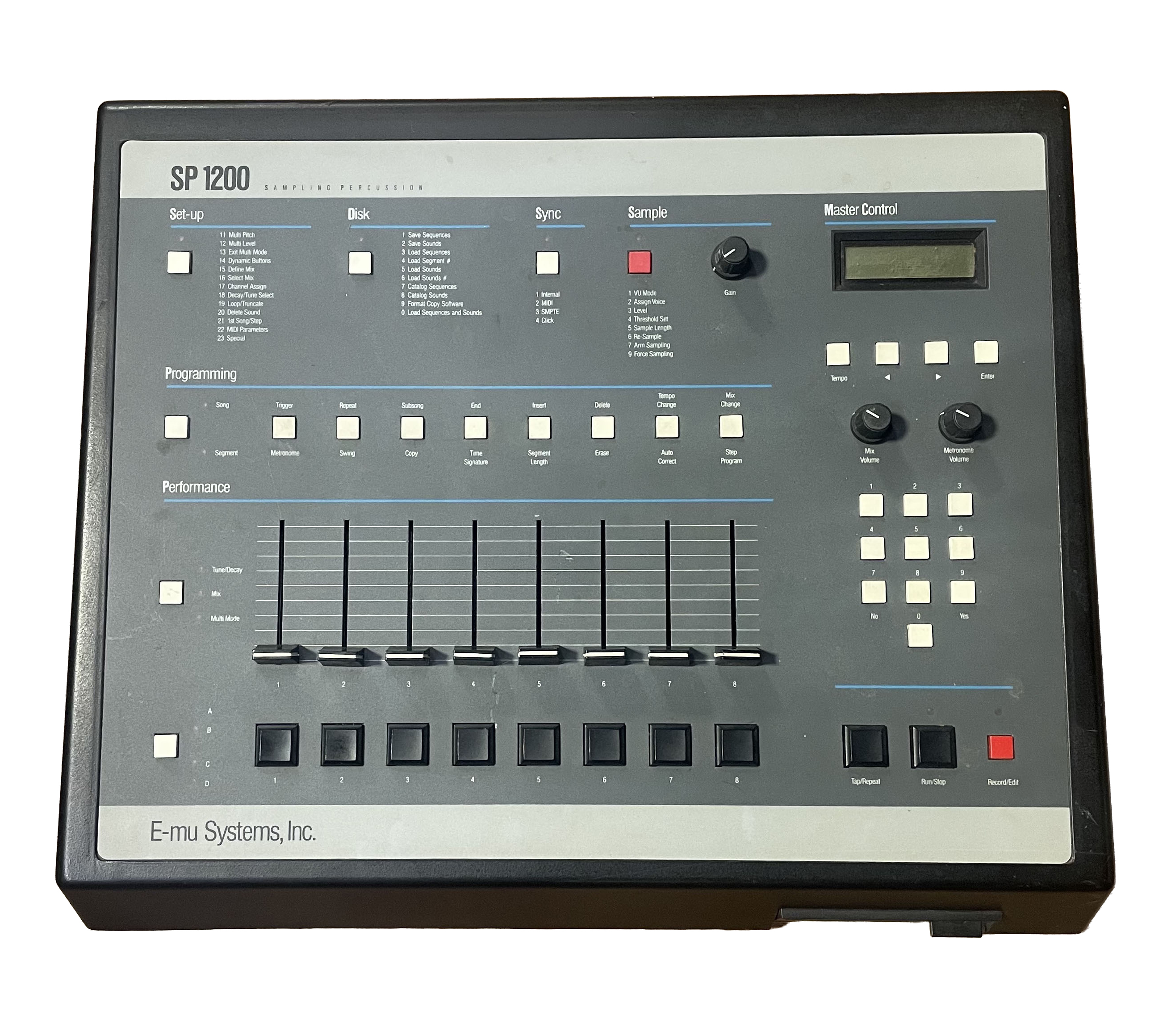
Holed up in Braxe’s parents’ basement, with an E-mu SP-1200 sampler, a bass guitar, a drum machine and a desktop computer, the pair had been working on music together for roughly six months before they struck gold. Like many great dance records before them and since, it was the unearthing of a great sample that unlocked the classic Braxe and Falke sound.
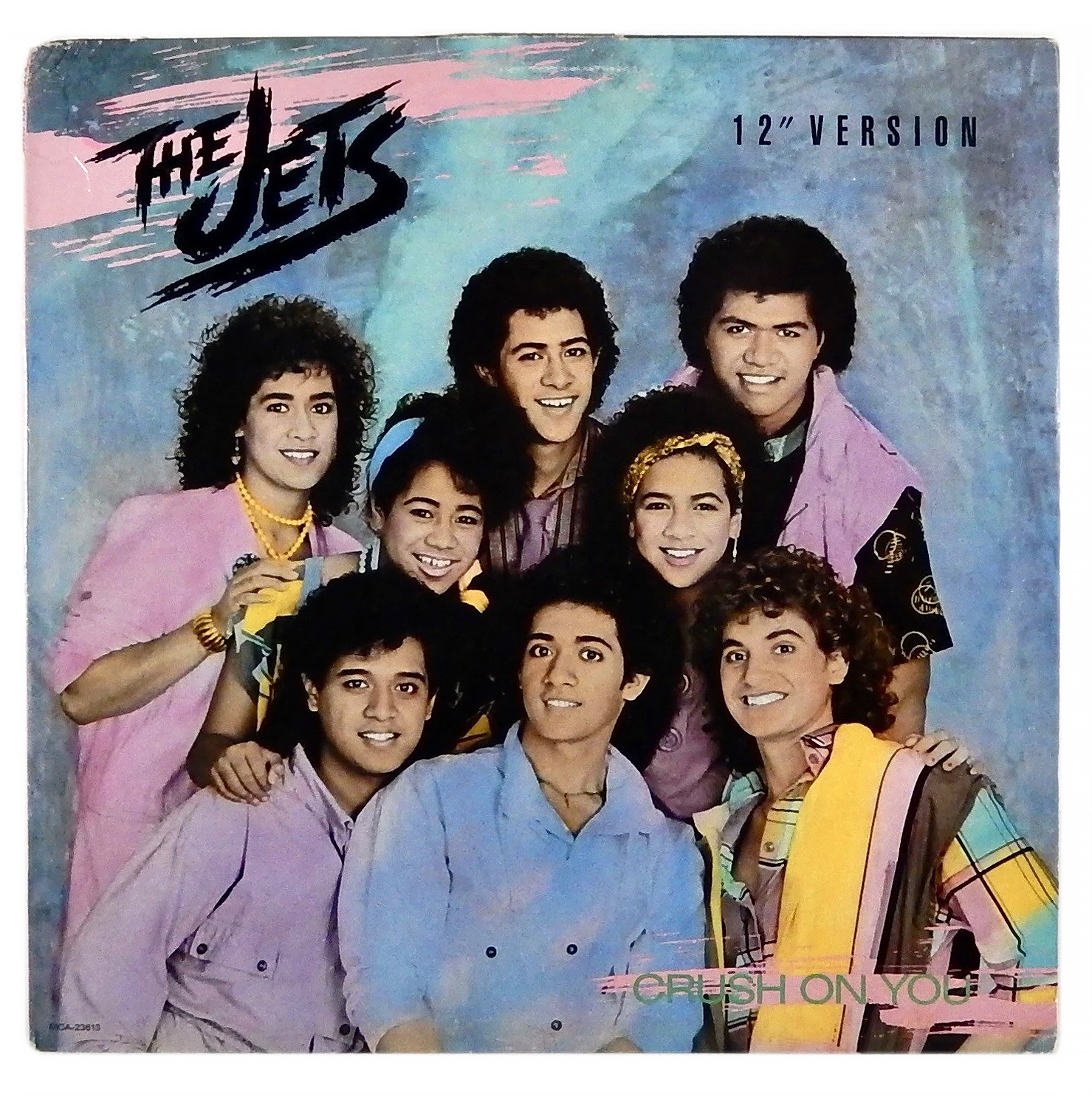
Falke: “We’d been working together for a few months, but I remember the day Alain brought the sample for ‘Intro’ to me really well. The vocal sample on ‘Intro’ is from ‘Crush On You’ by The Jets which is quite a polished, 80s pop/R’n’B record. But it has this snippet on the record that feels quite unusual for an 80s record, with harmonies and modulation. Coming from a jazz background, that’s something I really love and I felt intrigued and energised by the possibility of what we could do with it.”
Braxe: “I’d bought a bunch of records to go through and find samples and I was working in the basement at 9am. It was something I’d typically do. Go to one of my favourite record shops, buy 20 records and go home and dig through them for samples. I can’t remember what I paid for that record. At the time, it felt too much as it was a 12-inch single but in great condition so the price was closer to that of an LP. But it was definitely worth it in the long run. I came across the sample and sampled it with the SP-1200 straight away. The great thing about that sampler is that it has a very specific sonic signature. It’s quite a lo-fi sampler so there’s quite a big degradation in the sound but that gives the music some kind of magic. I put drums on and then I had the basic structure of the track. I got it on to a floppy disc and went to see Fred straight away.”
Falke: “I think the bassline took about 30 minutes to put together and record. It was pretty straightforward. I think we even did it in one take. What we recorded that day didn’t get edited at all.”
Braxe: “I think that’s a really important point about the record. We made and recorded it all in one day so there’s that sense of not really overthinking anything and just being led along by the music. These days I suppose you’d call it a flow state.”
Falke: “I get asked a lot where the inspiration for the bass line came from and there’s a few players. A guy called Ray Brown who’s an upright player and played with people like Ella Fitzgerald. His playing was my bible really when I was learning. Then Anthony Jackson who I was lucky enough to learn from and has a very signature sound. And then of course, Bernard Edwards from Chic, whose influence most people hear in ‘Intro’. But, I think on ‘Intro’, I really found my signature sound. When I graduated from music school, I was playing great but I probably didn’t have my signature sound. It kind of has to find you and I think on ‘Intro’ it found me. The influence from all those great players is in there but I made it into my own thing.”
Braxe: “How we worked on music back then was a nightmare really, compared to what we have available today. Everything’s on floppy discs and you’re digging around to find the right version. But I think those limitations fuel creativity too. Now, you can save an infinite amount of versions of a track on a computer, but it wasn’t feasible for us to spend ages trying to perfect it back then, so the fact we just finished it all in a day is kind of where the magic lies in the track.”
Falke: “I still try to work as close to that way as possible. I don’t have auto-tune, my computer is pretty basic and I still work mostly with analogue equipment. Producing music is all about decision making and limiting what you work with can streamline the process and make your work sharper. A lot of artists are like ‘wow’ and are taken aback by it, but you either love that process or don’t work with me.”
With the track finished in a day, their attention turned to creating a B-side for ‘Intro’.
Falke: “We were pleased with what we’d created. But we had no sense if it would work or not or if other people would like it. We just liked what we’d made.”
Braxe: “Our main focus then switched to creating the B-side. The goal was for us to put out the first release on Vulture so we needed the other side of a 12-inch to do that.”
Luckily for the duo, it wasn’t long before inspiration struck again and they created ‘Most Wanted’, the synth-laden, blissed-out flipside to ‘Intro’. But, for the moment, it was just a case of a good day’s work done.
Falke: “We didn’t have huge expectations back then. We weren’t careerists. It was just two friends hanging out and making music and we were really happy with what we’d made. We weren’t chasing hits but were pleased we had the first track to release on Alain’s label.”
Braxe: “We did the first pressing which was probably 500 copies and we went to Miami with 20. I remember we gave it to Armand Van Helden who loved the track and started playing it. Things went really fast from it being a cool underground track to becoming a crossover hit. It was getting played on the biggest radio stations in France and I’ve got all these great memories of being in the car and it coming on.”
Falke: “We were getting requests for interviews from magazines in the UK and all over Europe so we knew the track was building momentum. It’s funny because neither of us were DJs at the time but DJs loved it. It’s a really easy track to mix into a set, it’s so basic. It fitted in with a lot of different genres.”

The track’s afterlife and legacy
Over 25 years on, ‘Intro’ well and truly holds its place in the pantheon of great dancefloor records. You’re as likely today to hear it being dropped by Erol Alkan or Justice as you are to hear it waking you up on the 6 Music breakfast show or being eulogised by Fish56Octogan on Insta. When a whole new generation started mining house music of the late 90s and early 2000s for inspiration a decade ago, it barely left the sets of artists like Julio Bashmore and Disclosure. If you measure success by metrics such as Spotify listens then the track’s currently just under 25 million listens and it even got an airing at one of the globe’s biggest cultural events in 2024.
Falke: “The track really means something to our generation but also the next generation and the generation after that. It’s amazing to play ‘Intro’ in a club and have young kids coming up to you and saying, ‘Wow, that track changed my life. The bassline is incredible.’ We feel really blessed to have created something which has that reaction 25 years later.”
Braxe: “It got played at the Olympics Opening Ceremony in Paris in 2024. Thomas Jolly who was the artistic director for the ceremony really wanted to celebrate the underground side of French music so it was a really special moment to hear it played on that stage. I still play it in nearly all of my sets!”
Falke: “We’ve remixed it for the 25th anniversary and it wasn’t a super easy decision to make as now it’s kind of a classic record and almost doesn’t belong to us anymore. But we tried to place ourselves back in that basement again and take a laidback approach to it. We tried to imagine we were just making the track again in 2000 but trying to bring a new vision to it.”
Braxe: “It felt like enough time had gone by for us to revisit the track. It was a nice trip. A bit like going back to your home town and seeing some old friends.”
This article first appeared in Disco Pogo issue 9
%20Cropped.jpeg)