The list of great electronic soundtracks is as long as it is diverse. Everyone from Tangerine Dream, Vangelis and Air to John Carpenter, Trent Reznor and Cliff Martinez have made significant contributions to the canon. There is, however, one album that stands as the genre’s Lodestar: Wendy Carlos’ soundtrack to ‘A Clockwork Orange’. Daniel Dylan Wray looks back on an innovative piece of work, charts the development of the electronic soundtracks that followed in its wake and speaks to those still marvelling at Carlos’ virtuosity 55 years on. “It’s genius,” says Portishead’s Geoff Barrow…

The very first thing you hear in ‘A Clockwork Orange’ is whirring, ominous synthesisers as they begin to drone over a blood red screen. It sets the tone for the film instantaneously: moody, dark, unnerving. Dystopian.
When the 1971 film adaptation of Anthony Burgess’ book by Stanley Kubrick came out, its frightfully visceral approach caused shockwaves. Fifty-five years since its release, the film comes loaded with an immortalised history of controversy. Its stylish depictions of ultraviolent acts, as carried out by a group of disaffected youths known as droogs, was blamed for copycat crimes. Cases spanning murder to rape cited the film as an influence and it was banned in the UK in 1973, becoming unavailable for decades.
As a film, it lived on potently in the memories of those who had managed to see it in its brief two-year run, or if they’d managed to get a dodgy copy, but just as lingering – minus the copycat crimes – was the film’s music, composed by Wendy Carlos (born Walter Carlos). “You couldn’t actually have a more perfect score,” says Geoff Barrow of Portishead and Beak, who also composes music for film with Ben Salisbury. “It’s genius. There’s nothing about it that doesn’t work.”
Fusing futuristic synthesiser explorations with classical works by the likes of Beethoven and Elgar, Carlos carved out a sonic language and musical world that was as vivid, sharp and intense as the cinematic one that Kubrick laid out. “It’s fucking iconic, isn’t it?” says Ben Frost, an electronic musician and composer who has made scores for projects such as Ridley Scott’s ‘Raised by Wolves’. “More than the sound of it, there’s a severity in the choices and the limited palette of the thing that really makes it stand apart. There’s real power in that brutality.”
The huge, booming, classical music gives way to warped, eerie, at times ominous, tones that create a sense of sinister tension that feels truly unnerving. It’s an approach that, rather than luring or easing you into the film, or holding your hand through it, creates a jarring and distancing sensation that mirrors the feelings of alienation that are so central to the film. For Frost, such dualities mean that it remains a truly singular piece of work.
“It set up an idea of how music can relate to an image,” he offers, explaining its significance. “And how music can drive a cinematic narrative without actually assimilating itself into that. It’s quite contrarian and there is a competitive relationship between the image and the score – they’re kind of at odds with one another. That makes it stand apart even now after 55 years, as it’s not about the marriage but the friction.”
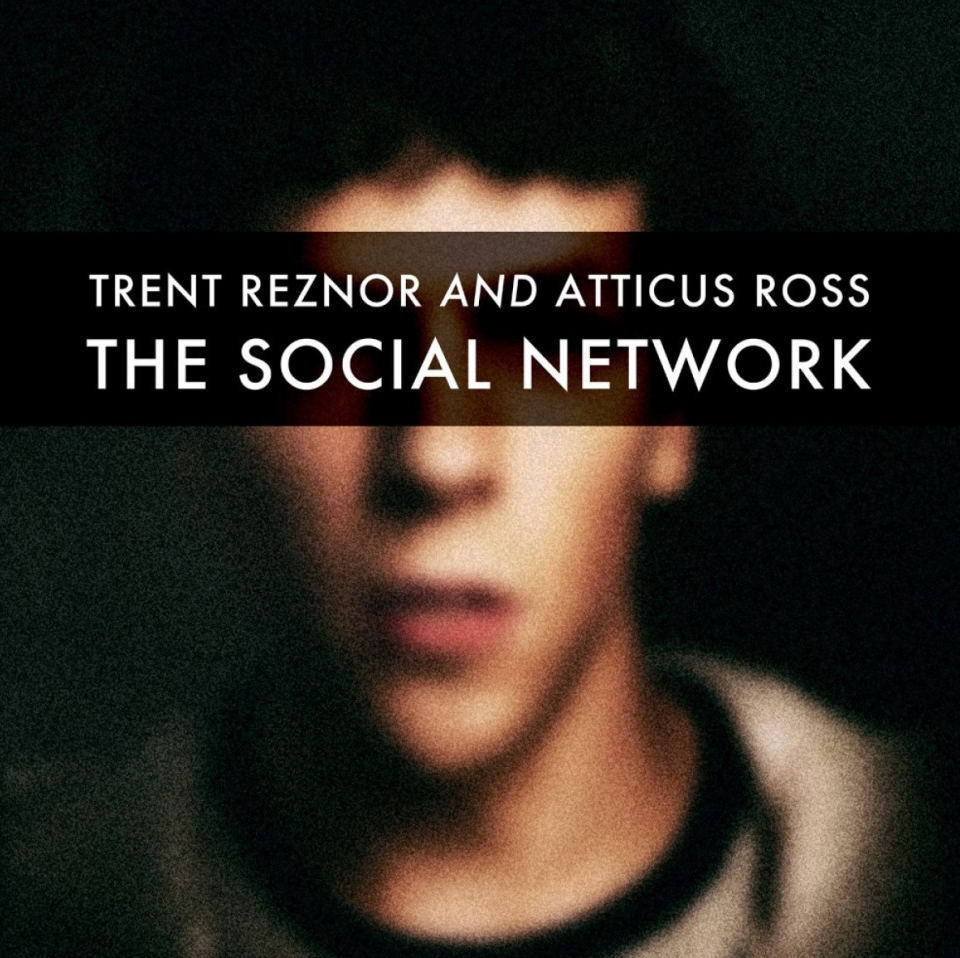
Despite being buried for a long time, its influence on electronic music – both on and off screen – is peerless in its reach. It had a huge impact in Sheffield, with numerous groups such as The Human League, Heaven 17 and Clock DVA falling under the spell of (in the case of the latter two outfits the film provided their name too) the film and its music. Nine Inch Nails’ Trent Reznor, who has since gone on to have a successful scoring career, working on films such as ‘The Social Network’, cites Carlos’ work as being instrumental. “Wendy Carlos was inescapable,” Reznor told Empire in 2025. “She was the Jimi Hendrix of synthesisers in terms of elevating the instrument into being a serious instrument, as opposed to a fraud or a replacement or a toy. I think her work expanded what the concept of an instrument could be.”
Its influence remains absolutely everywhere. At the time of writing, the hit HBO/BBC show ‘Industry’ is airing its new series, and it uses the same piece of music – ‘Funeral March for Queen Mary’ by Purcell – that Carlos worked into creating one of the most iconic and enduring opening scenes in cinematic history.
Elizabeth Bernholz, who composes for film and TV, and performs as experimental artist Gazelle Twin, has only just realised how much of it has perhaps seeped into her own subconscious all these decades on. “I made an album a few years ago called ‘Pastoral’,” she explains. “Which incorporates folk, recorder and early Baroque music. I hadn’t really cited that soundtrack as an influence but when I went to listen to it recently, I was just like, oh, God, it obviously went in. Hearing it again today, it could be written now. The classical stuff has a very of its time feel but the electronic stuff, that’s a little bit freer… I just hear it so much now in stuff like Daniel Lopatin’s scores.”
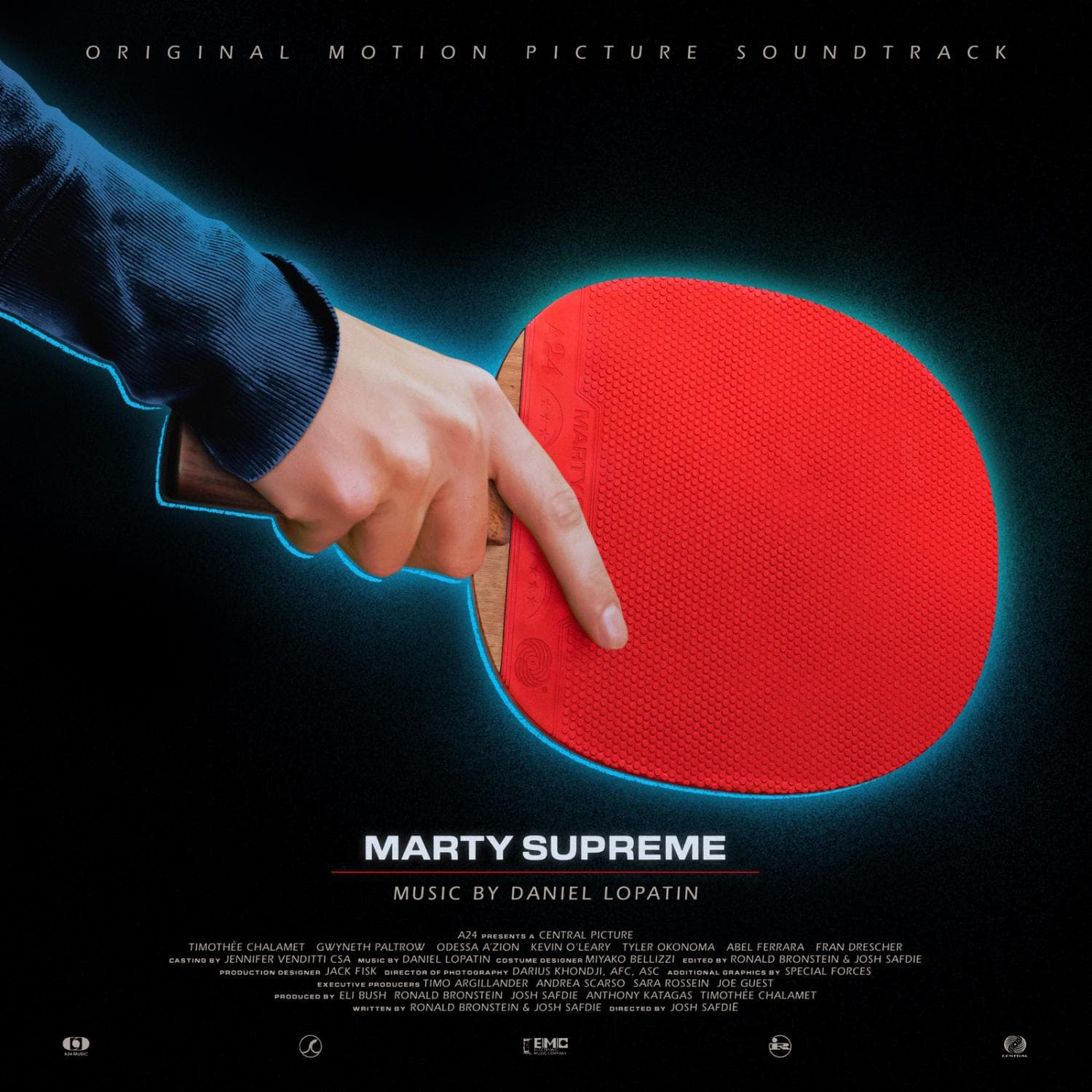
Oneohtrix Point Never’s Daniel Lopatin – who specialises in immersive, moody, dreamy and dense electronic film scores for movies such as ‘Uncut Gems’ and ‘Marty Supreme’ – told Electronic Sound that he was equally in awe and scared by ‘A Clockwork Orange’, feeling sickened by “the whole experiment of it, the whole mentality of the ruling class and their architecture of society” but then how “the music imbues this sort of sociological prison that’s created by these class relationships”.
Michael Stein and Kyle Dixon, composers of the nostalgia-coated synth-laden ‘Stranger Things’ soundtrack, had been studying Carlos’ work for years. “I started reading about Wendy, and finding out all these tricks,” Stein told The Guardian. “She taught me to dig deeply into the instrument. She was a magician like that.”
While, ‘A Clockwork Orange’ is by no means the first film to incorporate electronic music – you can go all the way back to 1956 to find the “electronic tonalities” that make up the score to sci-fi film ‘Forbidden Planet’ – it was a film that shifted the dial so significantly, it’s fair to consider it something of a ground zero moment as a new era of electronic film scores soon took hold.
For Frost, he thinks that Carlos opened up people’s minds to the possibilities of synthesiser music and that the score redefined the purpose of the instrument. “If you wind the clock back to the beginnings of synthesis, it’s in the name what it’s about,” he says. “It’s about synthesising the idea of an organic instrument. Like: we can do this without instruments. There was an element of relishing in the idea of dehumanising or removing the human element, like that Kraftwerk idea of the machines will do the work. It’s a sort of proto-transhumanist idea, but in musical form, I think that that very quickly was followed by a space where people went, OK, but the synths can actually do way more than that.”
While Carlos was a skilled composer and talented musician, who used multi-track recordings to create her elaborate pieces and classical re-works, technology evolved and synths became simpler and more accessible. A new wave of people experimenting with electronics began to use simplicity as a force. Geoff Barrow points out John Carpenter’s ‘Assault on Precinct 13’ (1976) as being a key milestone moment in such evolutions.
“When I heard it, I was like, ‘wow’,” he recalls. “Because it’s so stark. The themes are really strong but the simplicity is incredible.” Barrow points to two Portishead tracks – ‘Roads’ from ‘Dummy’ and ‘Machine Gun’ from ‘Third’ – that have taken direct influence from it.
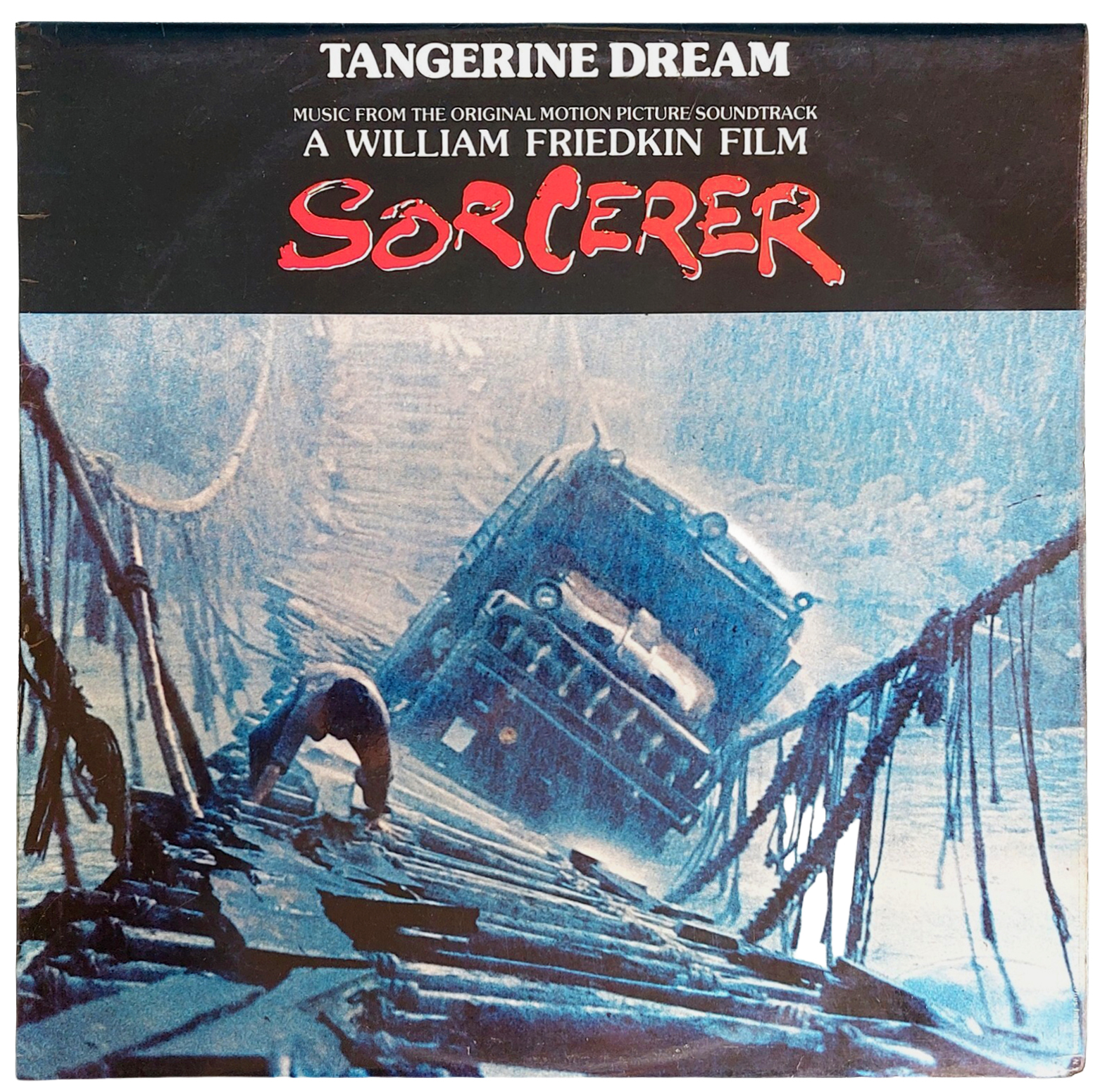
As the 1970s unfolded, it became an era loaded with electronic film scores. From big budget productions, such as William Friedkin’s ‘Sorcerer’ (scored by Tangerine Dream) to cult horror films such as ‘Suspiria’ and its music by Italian prog rock outfit Goblin. Even more traditional composers began to experiment with tone, with Jerry Goldsmith’s score for ‘Alien’ sounding more like an avant-garde electronic record at points.
Carlos’ follow-up score to ‘A Clockwork Orange’ was 1980’s ‘The Shining’. While still producing brilliant work, it was less impactful due to Kubrick’s decision to not use the bulk of the music that had been delivered. In 1982 Carlos scored ‘Tron’ and proved that, just as she had laid down the foundations for electronic film music in the 1970s, she had produced a score that could be heard echoing throughout the ensuing decade. Such was the legacy left by the cult film that when new instalments in the film’s series came out, heavy hitters Daft Punk and Nine Inch Nails were brought in to tackle the scores.
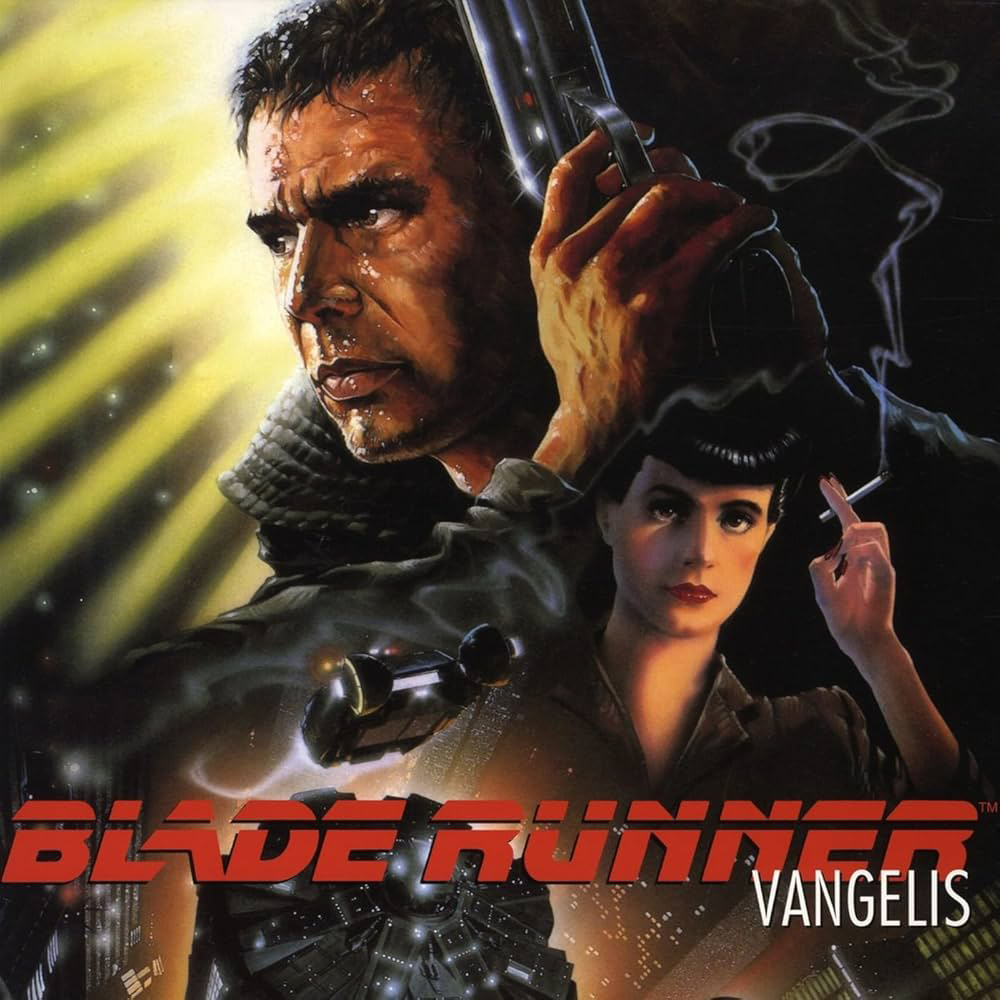
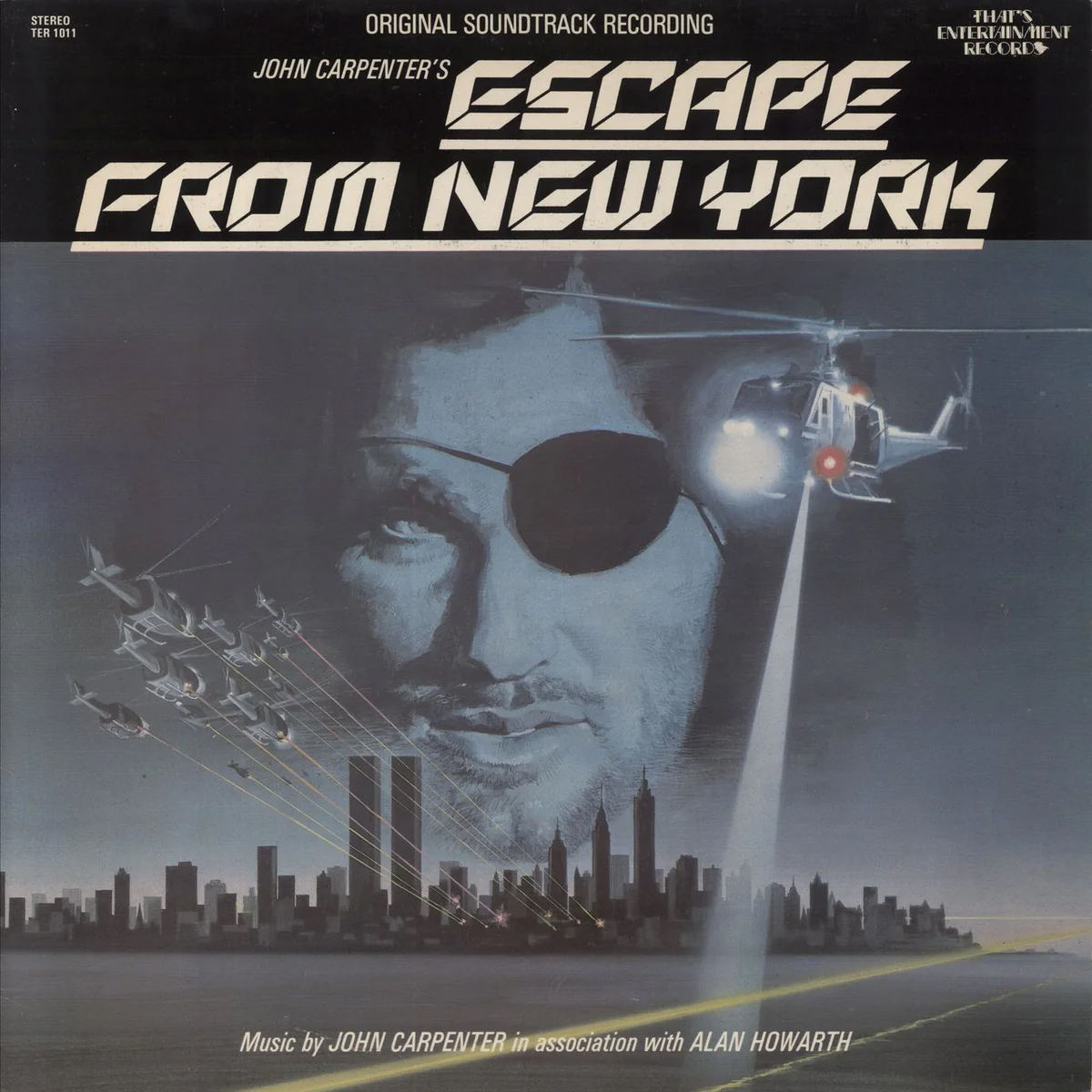
By the 1980s, synthesisers were becoming more commonplace. What were once cumbersome beasts that would take multiple people to move and cost the earth, were now portable. Synth-pop was booming and a type of music that had once sounded like the future, was now becoming increasingly everyday. However, this access and nascent experimenting with evolving new technologies, resulted in another period filled with visionary and era-defining electronic soundtracks. From Vangelis’ ‘Blade Runner’ to Tangerine Dream’s ‘Thief’, via more John Carpenter magic on films like ‘Escape from New York’.
One in particular that both Bernholz and Barrow point to as being seismic was Brad Fiedel’s score for ‘The Terminator’. “An astonishing score,” says Barrow, while Bernholz admits she is completely “obsessed” by it. “I constantly cite ‘The Terminator’ in everything I do,” she says. “There has always been some kind of shadow of that in the work I do. It’s so minimal and cold. Obviously, it’s doing what it’s meant to do – replicating that kind of machine, mechanical world that’s cold and dead and heartless – and then all of a sudden you get this amazing emotional theme. It’s just so powerful. I’m always staggered by it. I’ve listened to it thousands of times and there’s always something else in there that you’re like, ‘wow’.”
The electronic score fell out of favour in the 1990s and instead the decade was defined by needle drops that were more like a mix CD (which could then handily be packaged up and sold as soundtracks during a huge era for CD and cassette sales). ‘Trainspotting’, ‘Pulp Fiction’, ‘Good Will Hunting’, ‘Natural Born Killers’, ‘The Crow’, ‘Rushmore’ and countless others – plus a flurry of hip hop films (‘Boyz n the Hood’, ‘Juice’ etc) all came with accompanying compilation soundtracks. It was a period when many directors opted for a more curatorial style, where showcasing hits of the day or impressive deep cuts, seemed to overshadow more mood based explorations.
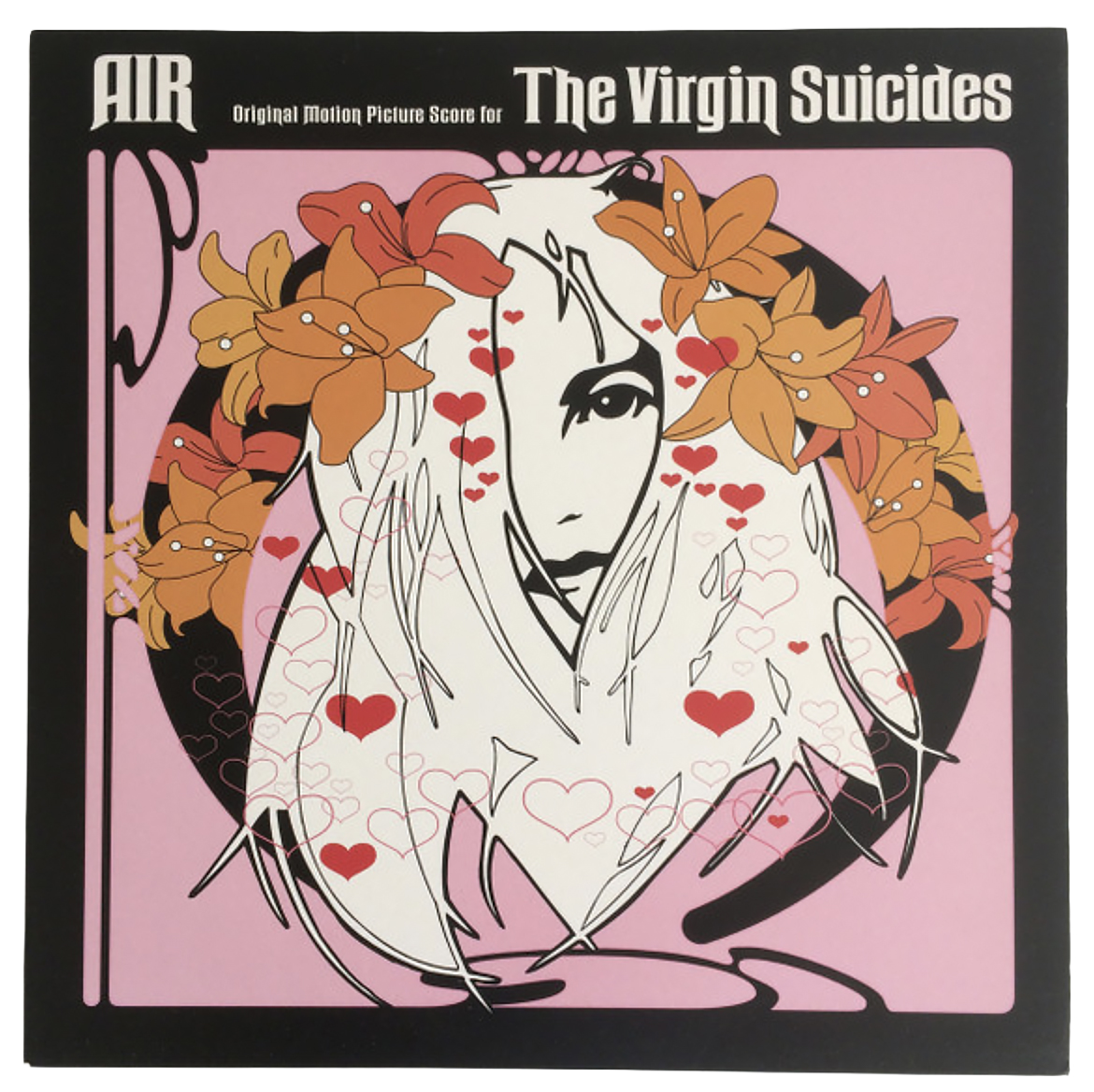
As with everything, of course, things circle back around and by the end of the late 1990s and the early 2000s, a return to these kinds of scores became more notable. From Air’s deft work on ‘The Virgin Suicides’ to Cliff Martinez’s score to ‘Solaris’ via Clint Mansell’s haunting music for ‘Requiem for a Dream’ (not electronic, as such, but a landmark score by an artist that changed the way people approached film music in the new millennium) a new era was creeping in. By the 2010s, electronic and synth scores had undergone not just a full-blown resurgence but were on their way to becoming a dominant sound on screens.
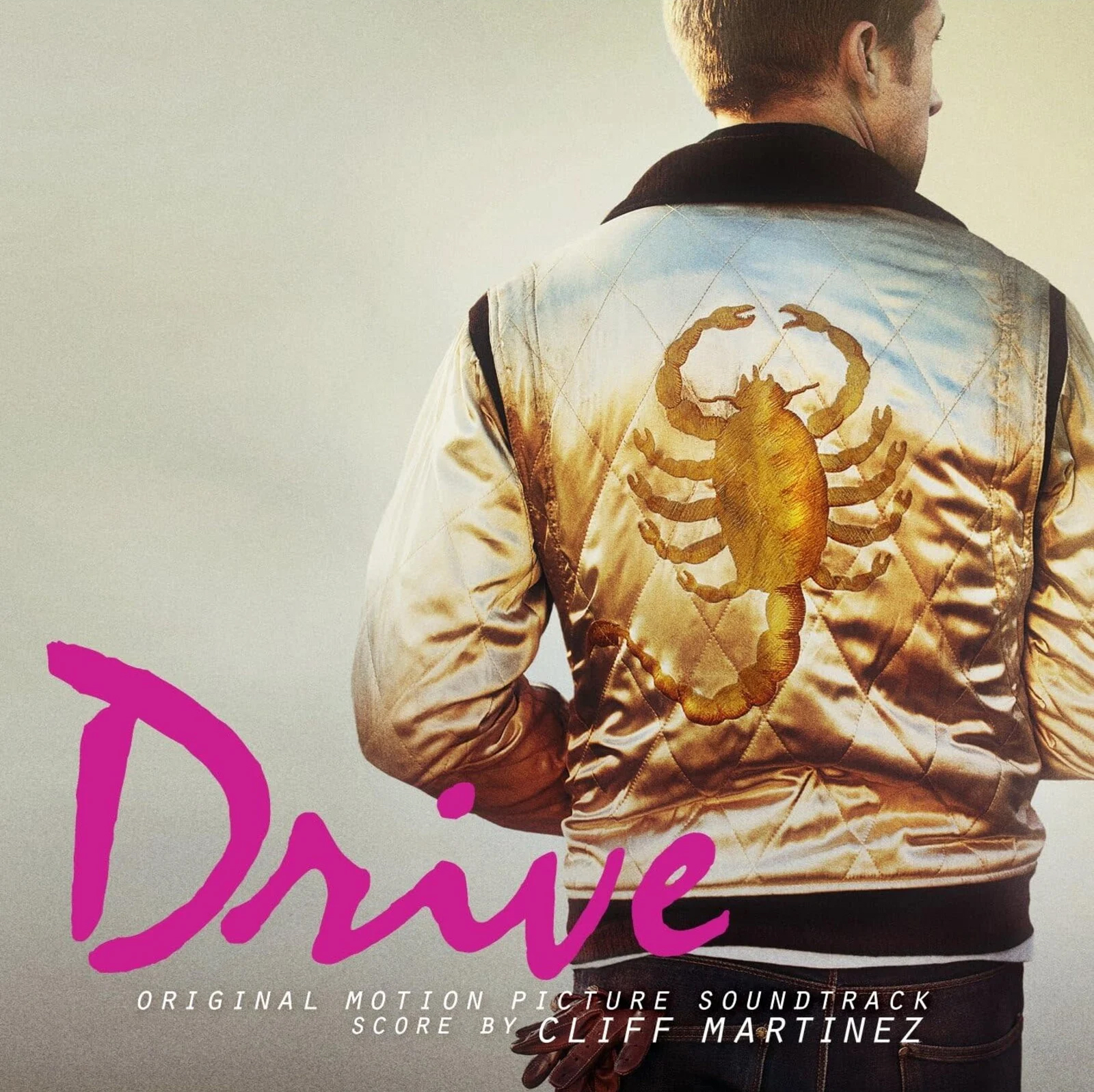
Barrow also runs Invada records, which releases soundtracks, and has seen up close how much things have changed on that front. “When we released the score to ‘Drive’ it felt like it was one of a kind,” he says of the 2011 Nicolas Winding Refn film. “Now there are electronic soundtracks everywhere, good ones and bad, but ‘Drive’ was a massive influence. It’s like a soundtrack that turned into the score. It felt like after that, there were lots of people that looked at ‘Drive’ and just went: if you’re going to make a cool film you’ve got to have synths and there was this nostalgic period of looking back at the 70s and the 80s.”
While electronic film and TV scores have become so commonplace now – and are used as prosaically and stereotypically as overly emotive strings are – Frost is seeing a fascinating crossover of styles seeping in by some. “Jerskin Fendrix’s score for ‘Bugonia’ is fucking genius,” he offers. “It’s brazenly acoustic but what’s really fascinating to me about it is that the way it’s written feels electronic. It’s an acoustic performance of an electronic score – which is kind of like an anti ‘A Clockwork Orange’.”
For Ben Frost, 55 years on from a score that changed the way film music sounded indefinitely, he still thinks that approach can be a template for moving forward. “The future I would like to think, in my most optimistic sense, is favouring the brave,” he says. “It’s not going to do any favours for those who are wanting to sound more like everyone else. Wendy Carlos was a fucking iconoclast. She really didn’t play by anyone’s rules.”
This article first appeared in Disco Pogo issue 9