.svg)
First the good news. The last 12 months have seen some brilliant, life-changing, evocative albums released. Despite the naysayers, if you look hard enough – or just know where to look – there’s always fantastic music to be discovered.
Now the bad news. The sheer volume of music released – and it would appear to only increase year on year – is not always a good thing. We all love music, but just how does one unearth the sounds that will soundtrack our lives? In a post-consensus digital world of difference, we no longer agree on much. Which, in our eyes, makes annual round-ups such as these, vital.
When we asked our various contributors – with all their differing views and tastes – for their albums of 2025, we knew we’d receive a mind-bending variety of styles. And that’s great because it means we get to shine a light on a number of releases that perhaps didn’t get the recognition they so richly deserved. What follows then is a list of the top 30 albums from 2025 covering everything from electronic pop, techno, house and folktronica to jazz-fuelled R’n’B, industrial post-rock and ambient Americana. And that’s just the start.
These are the albums to which we have returned again and again. Some like Thought Leadership and KiF are fresh artists at the start of their musical journeys. Others, like Justin Robertson, Soulwax, Adrian Sherwood and Matthew Herbert, are returning veterans. Saint Etienne are bowing out – joyously so. HAAi, Marie Davidson, Emma-Jean Thackray and Little Simz are outsmarting the men. Auntie Flo and Daniel Avery just get better and better. And Rosalía, well she keeps on being Rosalía, a stunning talent for these most trying of days.
As for our favourite album, we’ve gone for a collaborative effort that features talents from across the globe, directed by a non-musician who seems to know exactly what the world needs right now.
We hope you find at least one new record to fall in love with. Get stuck in…
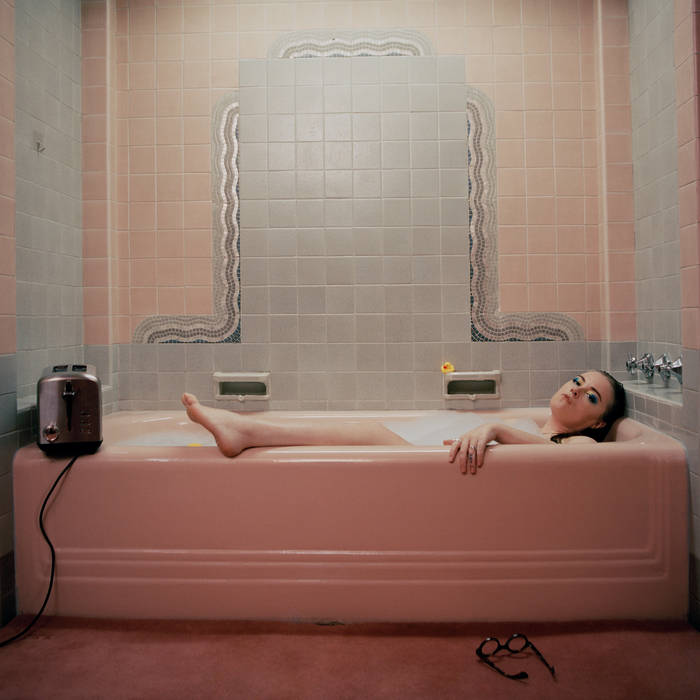
30. Emma-Jean Thackray: ‘Weirdo’
In which the multi-talented Thackray turned grief into an outpouring of creativity. Jazz is just the jumping off point for a devastatingly beautiful album full of grace.
Listen here

29. Ela Minus: ‘Día’
Minus’ second album treads a stunning line between experimental electronica and big room techno soundscapes. A talent to cherish.
Listen here
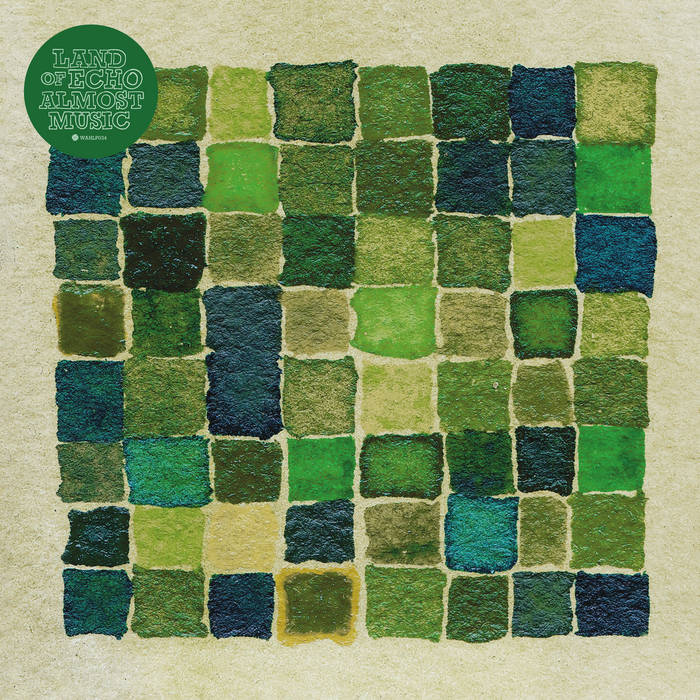
28. Land Of Echo: 'Almost Music’
Sunshine-soaked R’n’B, deep house, funk and disco wonderfully collide on Rob Mac’s brilliant new project on Dom Servini’s always on-point Wah Wah 45s label.
Listen here
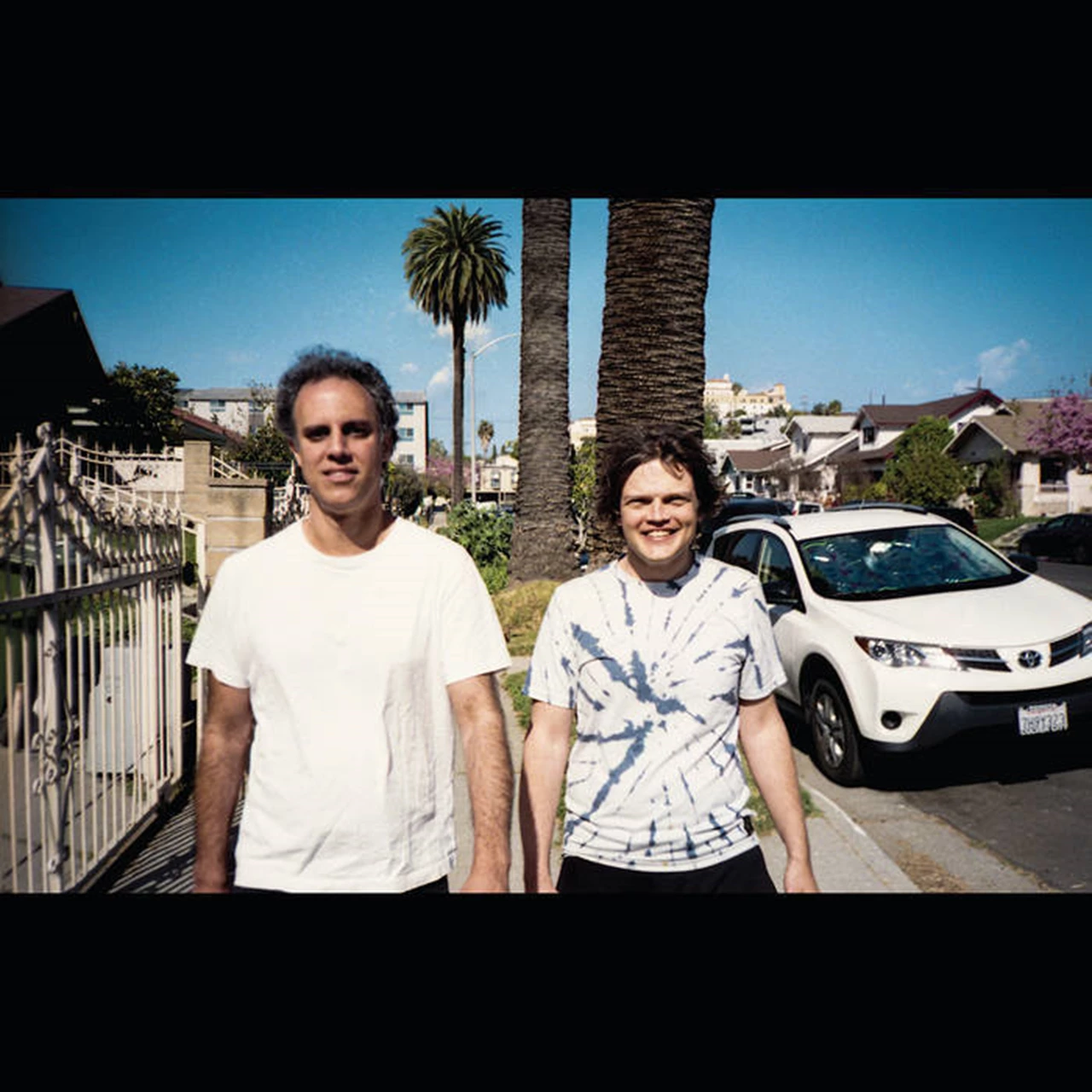
27. Kieran Hebden & William Tyler: ‘41 Longfield Street Late 80s’
A perfect pairing of Kieran Hebden’s electronic nous and William Tyler’s cosmic Americana. An imaginative soundtrack to the road trip in your mind.
Listen here

26. Adrian Sherwood: ‘The Collapse of Everything’
Outside the world might be going down the shitter, but in Adrian Sherwood’s studio all is well. His ninth album is a wonderful lesson in atmospheric, stripped back dub.
Listen here
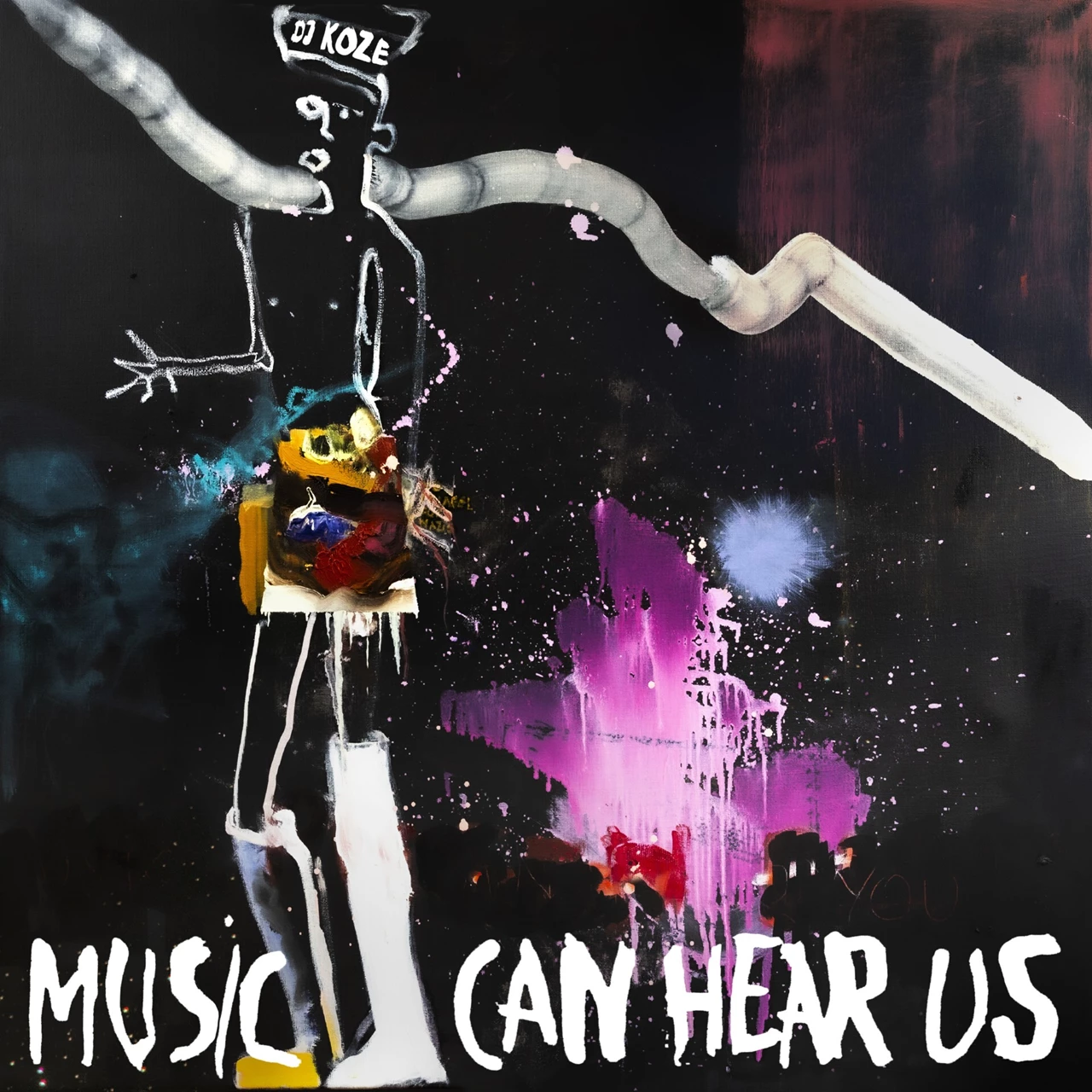
25. DJ Koze: ‘Music Can Hear Us’
Collaborators include Damon Albarn, Sofia Kourtesis, the Notwist and Sophia Kennedy, among others, but DJ Koze’s sonic alchemy is the real star. From deep, vibrant dancefloor excursions to delicate electronic lullabies and back again, we can hear the music.
Listen here

24. James Holden & Waclaw Zimpel: ‘The Universe Will Take Care of You’
Six tracks of electronic experimentalism that captivated and thrilled in equal measure. Holden’s unerring knack for extracting melody from the roughest of sources was the perfect complement to Zimpel’s sonic complexity.
Listen here
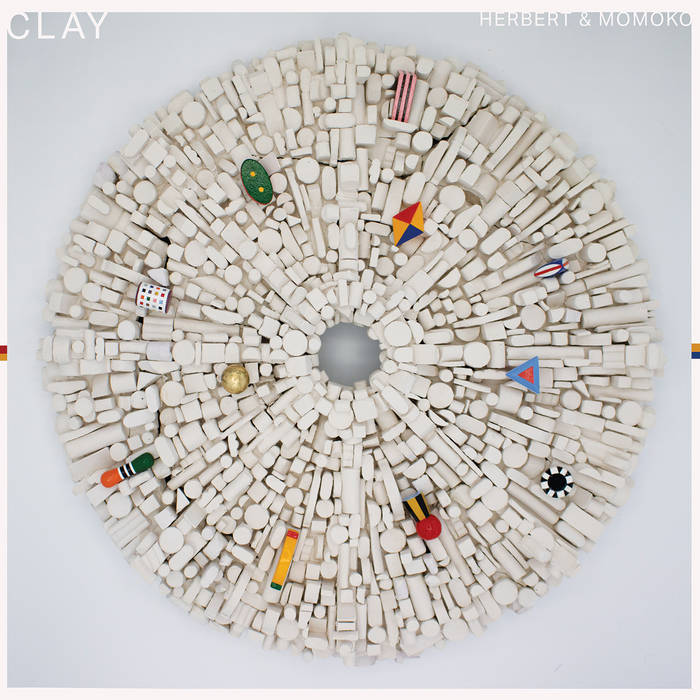
23. Matthew Herbert & Momoko Gill: ‘Clay’
The prolific Matthew Herbert returned to the dancefloor on ‘Clay’ – a spellbinding collection of refined deep house and electronic. In the attractive vocals of Momoko Gill, he found the perfect foil for his soulful productions.
Listen here
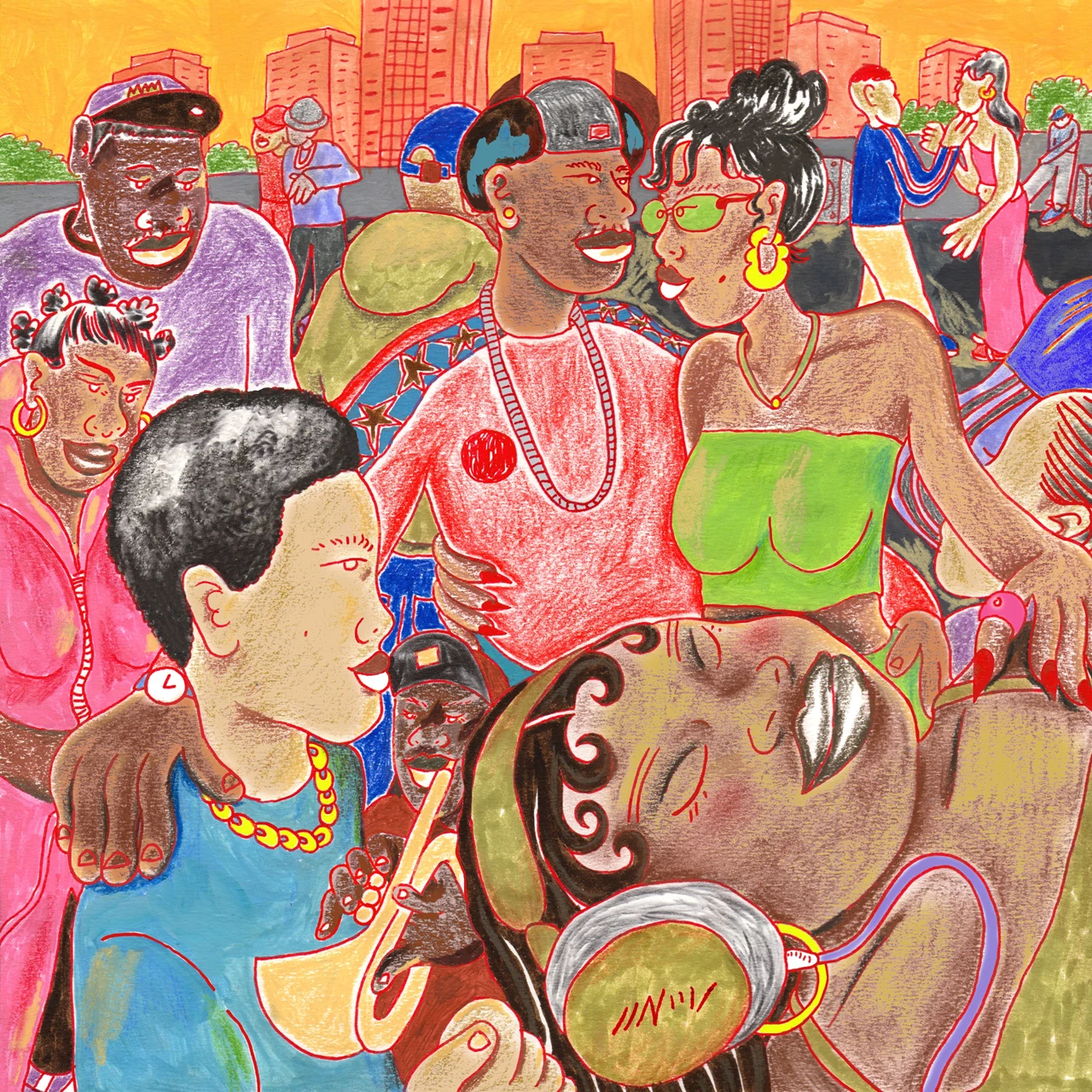
22. Kokoroko: ‘Tuff Times Never Last’
Kokoroko’s second album collected the street sounds embedded in modern Britain – rare groove, disco, Afrobeat, jazz, lovers rock, soul, funk, house and more – and transported listeners to a place far away from the hateful rhetoric espoused by some.
Listen here
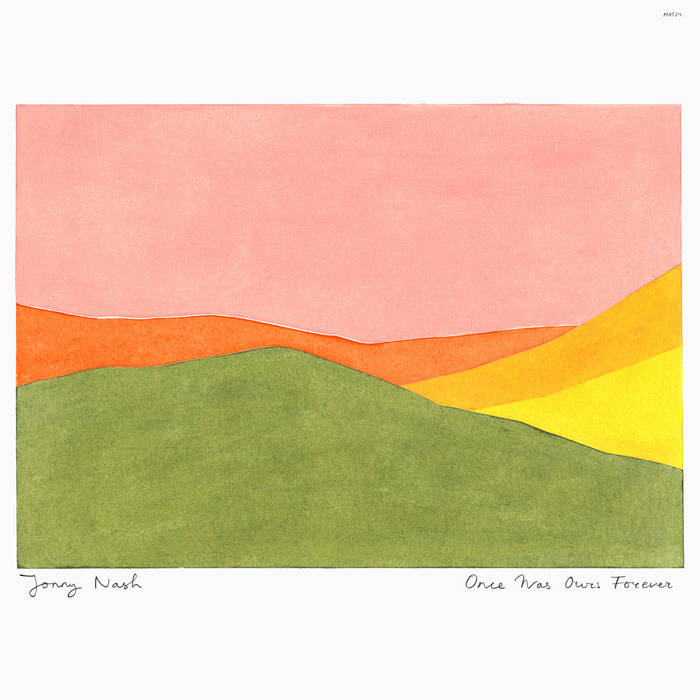
21. Jonny Nash: ‘Once Was Ours Forever'
Slowly, surely, but most securely, Vini Reilly has emerged as one of the foremost influences of our age. Jonny Nash’s latest set was another sprawling venture indebted to The Durutti Column linchpin.
Listen here
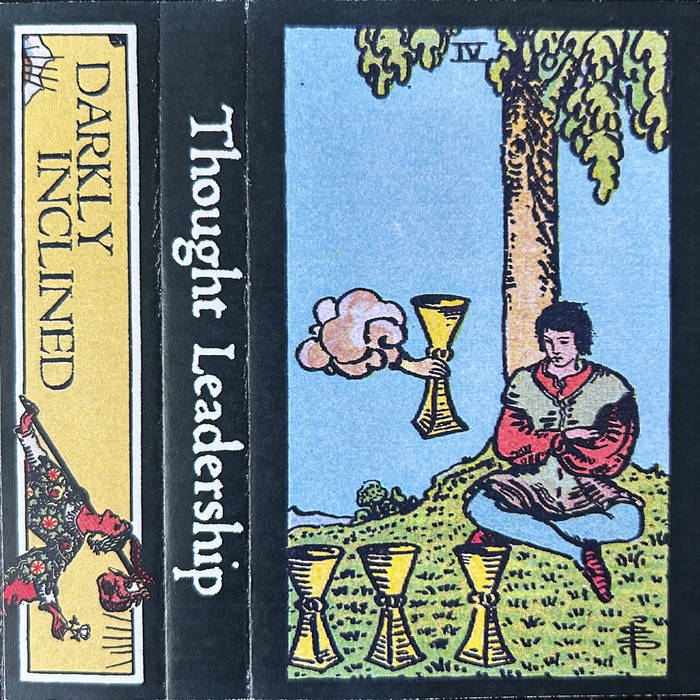
20. Thought Leadership: ‘IV of Cups’
Post-shoegaze? Cosmic ambience? An instrumental folk rock fusion? Whatever you call the work of this clandestine Stockport guitar gun, it’s always mesmeric. A super limited run on cassette should be followed by a vinyl release next year.
Listen here

19. Torn Sail: ‘Steady Weather’
Balearic lovers went crazy for the third album by the Huw Costin-helmed Torn Sail. With echoes of The Blue Nile, John Martyn and Talk Talk this was sublime head music for transcendental trips.
Listen here
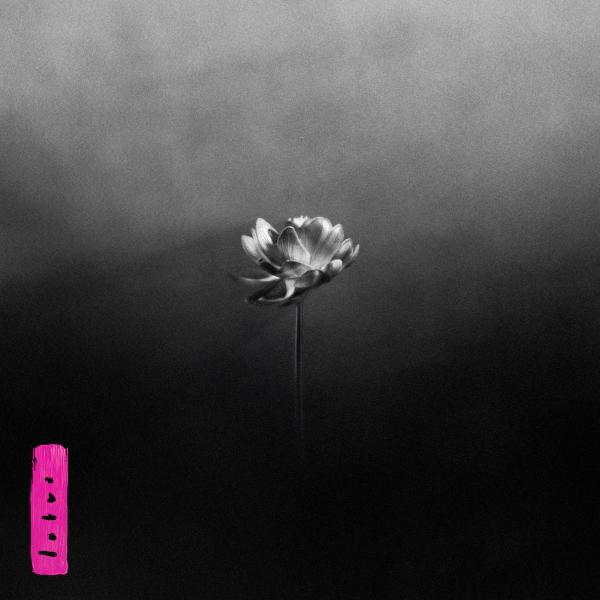
18. Little Simz: ‘Lotus’
Little Simz’s grandest work yet was perfectly constructed for the arenas that she now inhabits, but she demonstrated she’d lost none of her nuance in some astonishing broadsides against former friends.
Listen here
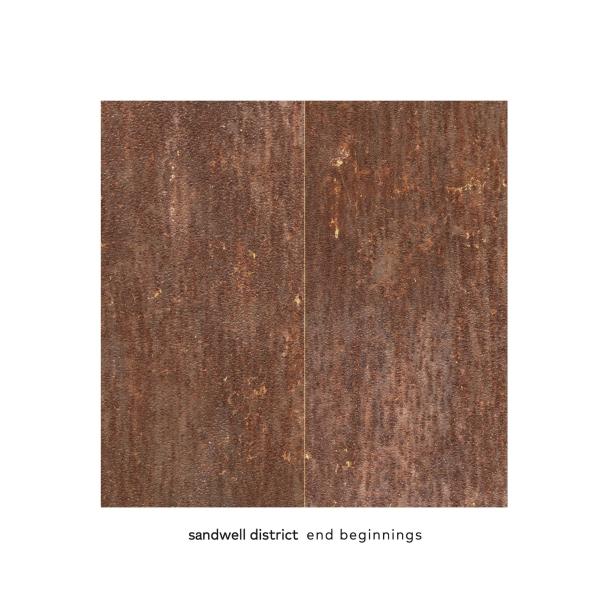
17. Sandwell District: ‘End Beginnings’
Inspired by Mark Lanegan of all people, the shadowy techno collective return with a collection of cinematic techno and mind-bending dancefloor dynamism.
Listen here
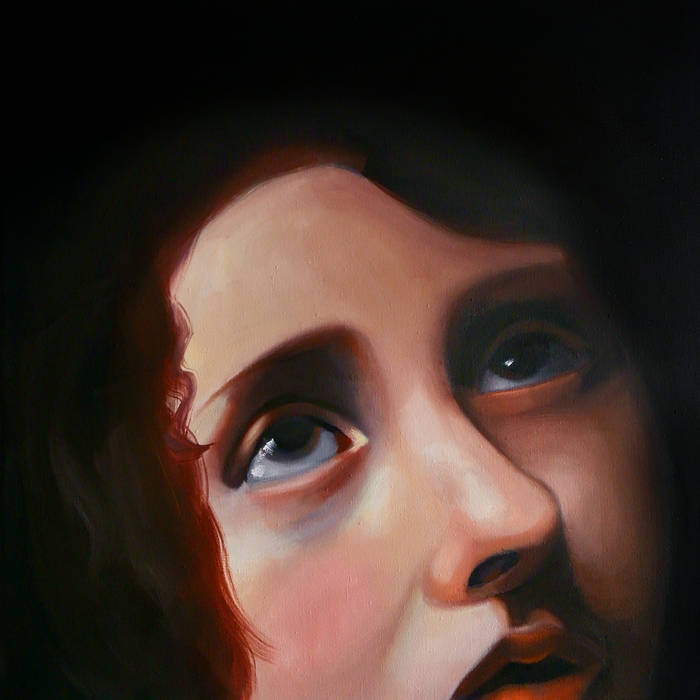
16. Panda Bear: ‘Sinister Grift’
The one-man Beach Boys releases his ‘Pet Sounds’. A melodic sonic tonic for these embittered times.
Listen here
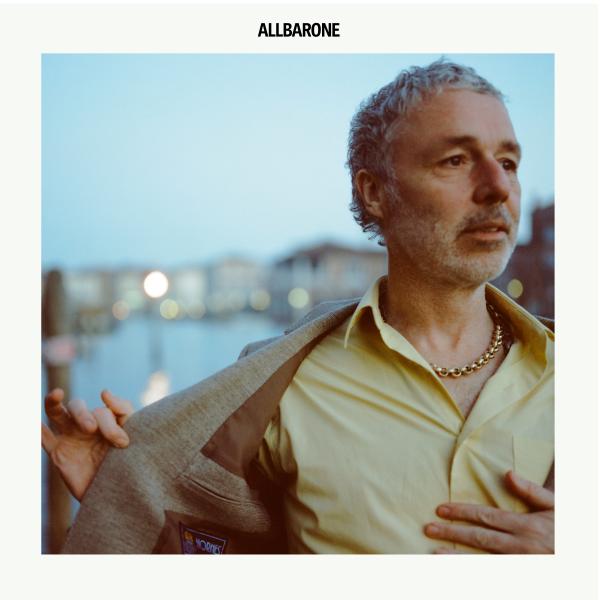
15. Baxter Dury: ‘Allbarone’
The singular Dury headed straight to the heart of the dancefloor on his ninth album. His wonderful lyrical bon mots were littered liberally over a non-stop, propulsive groove. Magical stuff.
Listen here

14. Decius: ‘Decius Vol II: Splendour & Obedience’
The UK’s premier exponents of dysfunctional disco returned with another album of sleazy dancefloor thrills and spills. The hypnotic ‘Queen of 14th Street’ was an unofficial national anthem this summer.
Listen here

13. Marie Davidson: ‘City of Clowns’
Davidson held nothing back on her comeback club album. The themes might be serious – dystopian capitalism being squarely in her sights – but the invitation to cut loose on the dancefloor was too good to resist.
Listen here
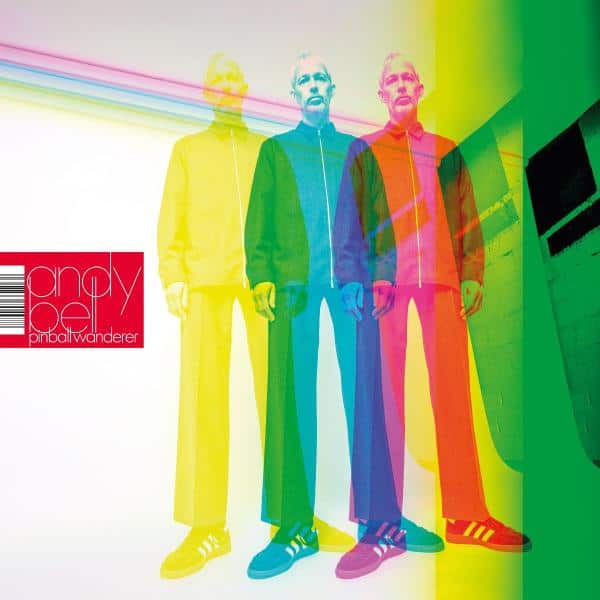
12. Andy Bell: ‘Pinball Wanderer’
Released before the small matter of this year’s elephantine Oasis comeback, Bell’s fifth album under his own name was a delight, mixing psychedelic dub and Balearic folktronica. For fans of The Durutti Column and Bibio…
Listen here
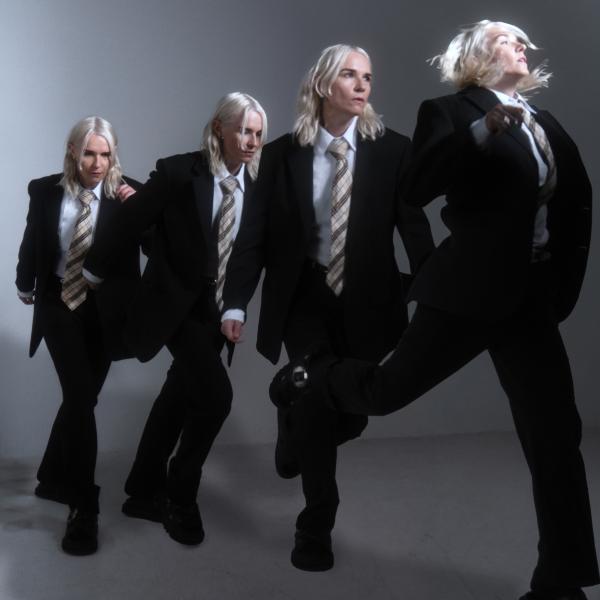
11. HAAi: ‘Humanise’
Teneil Throssell’s second album of emotive electronic maximalism is a sheer delight. Bursting with ideas – and with some choice guest vocalists – this is dance music designed for the club but with proper crossover festival appeal.
Listen here
Buy here
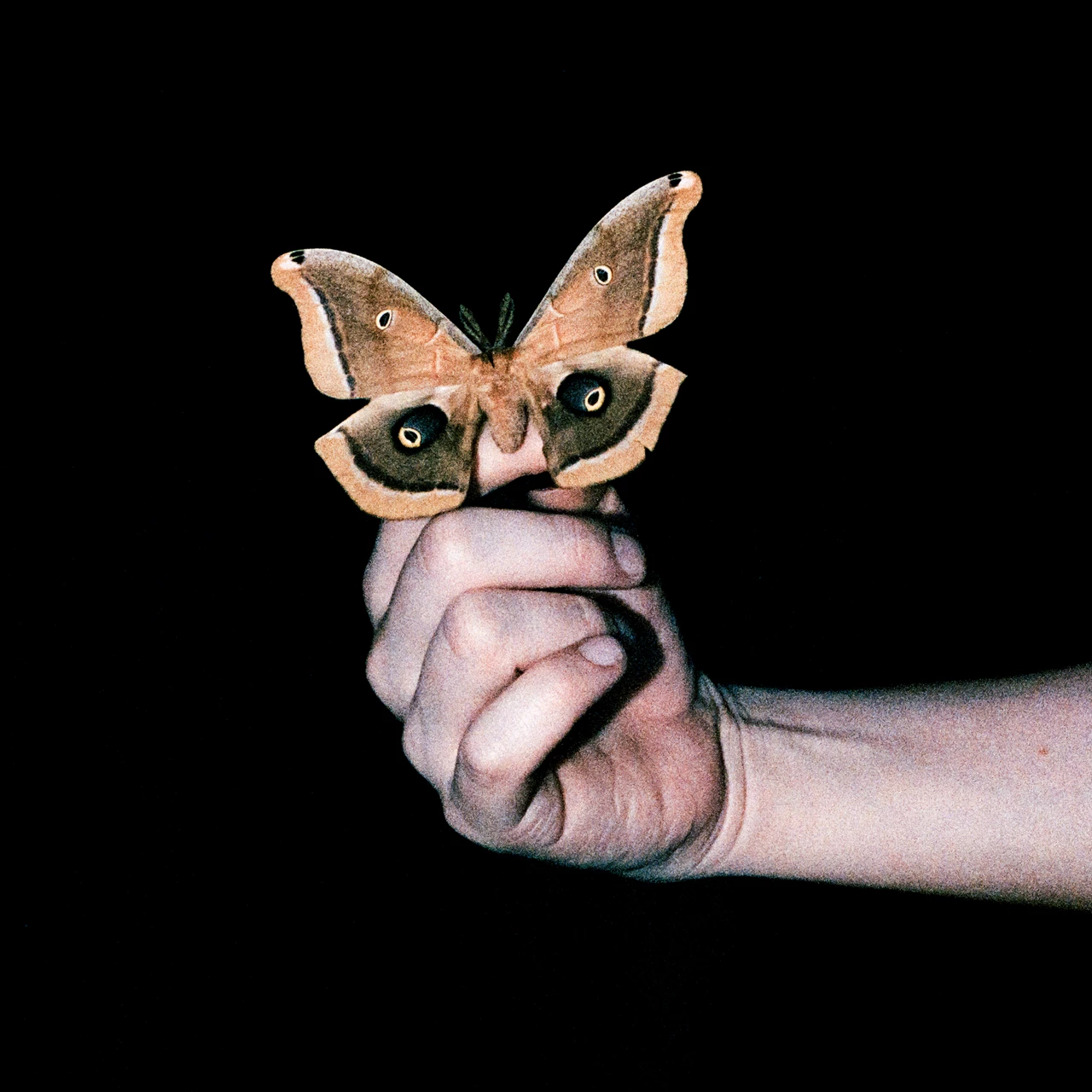
10. Soulwax: ‘All Systems Are Lying’
As New Order, Daft Punk and, erm, Skrillex would remind you, Soulwax aren’t the first band to start life as a rock act before an epiphany sparked a change of heart, alerting them to club music’s possibilities.
But the Belgian brothers’ debt to rock, proper primal rock, is still evident in everything they do, even when, as on ‘All Systems Are Lying’, their first studio album since 2017’s ‘From Deewee’, they abandoned guitars altogether and reproduced the band set-up with processed sounds. It worked.
The 50-somethings’ fifth set is lithe, bubbly and robust, whether summoning a 6am beach party (‘Gimme a Reason’), celebrating Derrick May’s ageless ‘Strings of Life’ (‘Polaris’) or adding bite to the skinny-tie pop peculiar to the late 1970s (‘Idiots in Love’). Every track, every beat, every acidic squeal, was clearly considered for weeks at a time, betraying the LP’s long gestation period.
Never once, however, does it seem clinical or suggest that David and Stephen Dewaele, who have 20-odd years of remixes to their name, nearly all of which have been rightly celebrated, were spent and obliged to rehash their greatest hits.
And if the title indicated Soulwax are on a mission – a tireless quest for answers in a post-truth world, without which they will never find peace of mind – the music posits that life is pretty simple; that happiness is attained on a dancefloor, with your eyes closed, the chime of a fake guitar ringing in your ears.
Paul Mardles
Listen here
Buy here
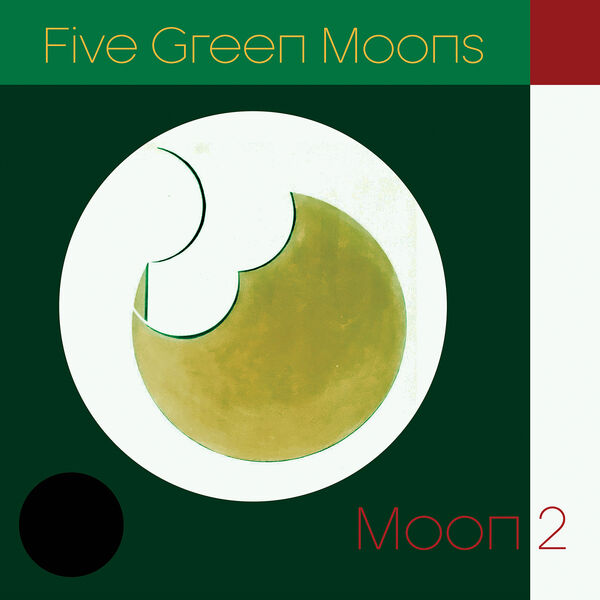
9. Five Green Moons: ‘Moon 2’
DJ, producer, musician, author, artist, natty dresser… it’s probably quicker to list the things Justin Robertson doesn’t successfully do than highlight all the artistic endeavours in which he excels. His latest project, Five Green Moons, which debuted at the end of 2024 with the release of ‘Moon 1’, brings together many of his musical passions – dub, pastoral folk, kosmische-tinged electronica, punk funk, techno – and some of his literary ones too (most notably a predilection towards the occult), in one captivating, stylish package.
‘Moon 2’ is another immersive trip into Robertson’s vibrant netherworld. The musical touchpoints remain broadly the same and while that angular sense of late-70s/early-80s dystopian disco evoked by outfits like PiL, The Pop Group and Adrian Sherwood’s On-U collective can often appear monochromatic, in the hands of Robertson there’s a colourful lightness of touch.
In fact, the dub that underpins all 11 tracks has a welcoming psychedelic edge. The mellifluous melodies of gentle opener ‘Calling OS’ are suitably hypnotic, while the new wave groove of ‘Ridges of Bark’ is sneaky and spiritual rather than sadistic.
Snippets of prose and spoken word recitals provide an element of foreboding – these are deep experimental basement vibrations after all – not least on the ‘The First Tower of Babel’ (keep the wonky chocolate out of reach for this one) and ‘Come on Kallisti’. Elsewhere, Brix Smith brings a transcendental vocal flavour to the Sabres Of Paradise-like ‘Lost in the Static’ (a pertinent cautionary tale urging against “borders or regions”) and the diaphanous digital dub of ‘Boudicca’.
But this is entirely Robertson’s show and it’s a commanding and otherworldly performance; a voyage into the heart of rhythmical repetition, where the disco is discordant and the pogo most rebelliously post-punk. Stunning stuff.
Listen here
Buy here
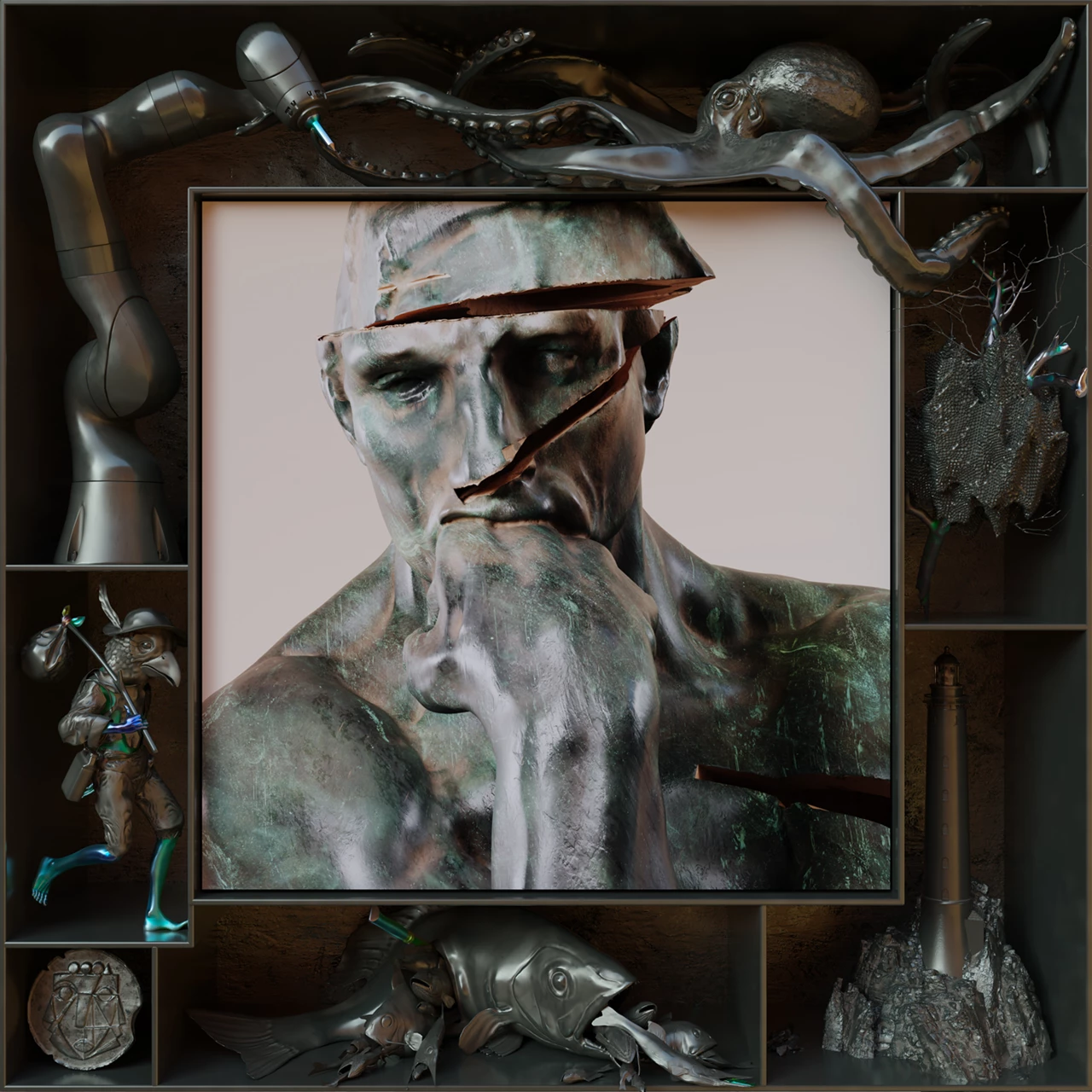
8. Mark Pritchard & Thom Yorke: ‘Tall Tales’
Radiohead’s return to the live arena raised acres of headlines in 2025, amid calls for a boycott over the band’s stance on Israel and doubts about whether Thom Yorke and co. would ever release new music.
There was no fresh music this year, but Yorke continued his busy schedule of solo work and intriguing collaborations with the release of ‘Tall Tales’, a bewitching hook up with one-time Global Communication man Mark Pritchard that stands among the best of both artists’ work.
To hear Pritchard tell it, the genesis of the album was convoluted to the point of distraction, with files being passed back and forth between the duo for five years, punctuated by the occasional Zoom call. But ‘Tall Tales’ doesn’t sound difficult: tracks like the brooding ‘Back in the Game’ and the future rock of ‘This Conversation is Missing Your Voice’ are vivacious and natural, a perfectly simpatico meeting of musical minds whose casual elegance suggests that this is what Yorke and Pritchard might have been edging towards over their six collected decades in music.
Pritchard’s catalogue is proudly genre agnostic, flowing from ambient to techno, jungle to footwork, grime to deep house and back again. On ‘Tall Tales’ he takes this to nonchalant extremes, cooking up a musical mix that nods to Krautrock, ambience, folk, IDM, electro and more, without ever feeling forced.
And Yorke, for all his grumpy edges, remains a vocalist and songwriter of the highest order, his performance on the gorgeously yearning ‘The White Cliffs’ reminding us why we fell in love with his voice in the first place, a simple pleasure in a year where so much seemed tangled and unsure.
Ben Cardew
Listen here
Buy here
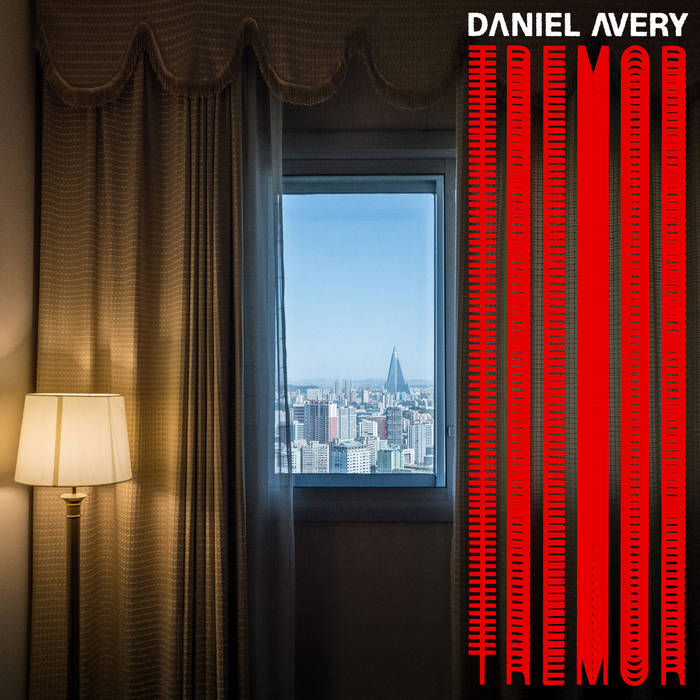
7. Daniel Avery: ‘Tremor’
Much like his musical north star Andrew Weatherall, Daniel Avery exists in a musical world completely of his own making. This singular, unapologetic path has seen Avery assuredly move from the acidic dancefloor-slaying tracks that featured on his stellar debut album ‘Drone Logic’, through the stripped back experimental ambient and techno soundscapes of ‘Song for Alpha’ and ‘Love + Light’ and land on the energetic electronic maximalism of his last album, 2022’s ‘Ultra Truth’.
His latest statement of intent, the timely ‘Tremor’, sees the curious Avery take another musical detour, this time to the band-dominated, shoegaze, post-rock and industrial sounds that comprised his teenage years. Pleasingly, rather than slavishly create a My Bloody Valentine-meets-Mogwai-and-Nine Inch Nails pastiche, Avery has injected ‘Tremor’ with an electronic pulse: there are hints of Chicago and Detroit innovators like Larry Heard and Drexciya on the expansive ‘New Life’ and ‘Until The Moon Starts Shaking’, while on the foreboding ‘Haze’ and ‘A Silent Shadow’ a very British dread emerges, both welcoming updates on Massive Attack’s crepuscular ‘Mezzanine’.
His choice of female vocal collaborators is equally telling. The Kills’ Alison Mosshart brings a slippery presence to ‘Greasy off the Racing Line’ (this is a record that places great stock in song titles) while NewDad’s Julie Dawson applies a dream pop lustre to the ambitious UNKLE-like ‘The Ghost of Her Smile’. The introspective melancholia of ‘Rapture in Blue’, featuring Cecile Believe, gives ‘Tremor’ its emotional pivot – a cinematic tour-de-force that encapsulates the various strands of the record in one alluring song.
Similar to Primal Scream, Death In Vegas and Depeche Mode before him, Avery has crafted a record that breathes new life into the vexed rock-meets-dance hybrid and takes such an alliance into surprisingly fresh waters. Given time, the results of this particular ‘Tremor’ will prove fruitful.
Jim Butler
Listen here
Buy here
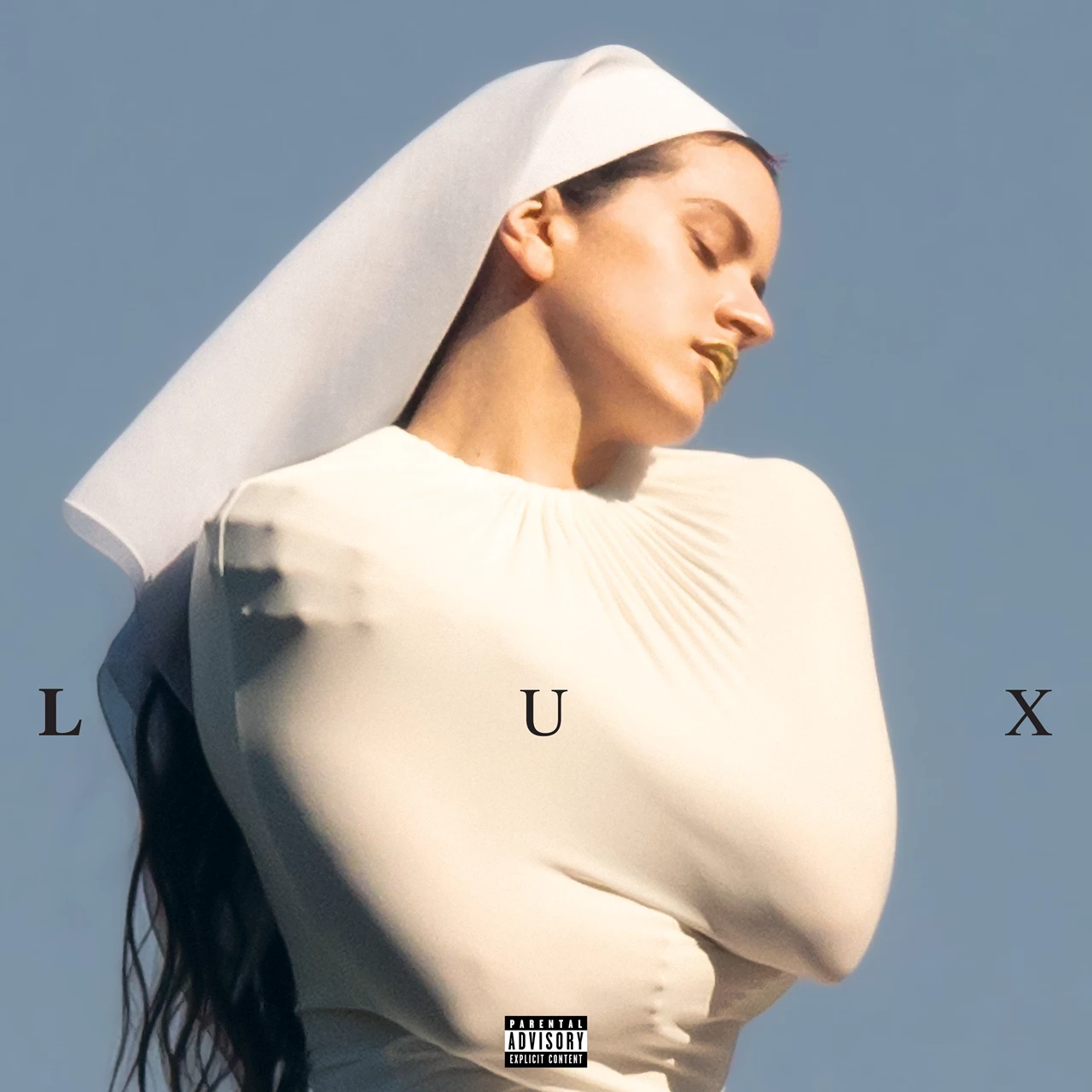
6. Rosalía: ‘Lux’
It’s unusual to get a pop megastar who can shapeshift like Rosalía. She followed up the flamenco pop of her 2018 debut ‘El Mal Querer’ with 2022’s reggaeton-heavy ‘Motomami’, but ‘Lux’ is the biggest plot twist of her career so far.
‘Berghain’ wasn’t the pummelling techno offering we assumed it might be from its title, but instead a work of Royal Festival Hall-worthy classical grandeur, with Vivaldi-like strings. The album was recorded with the London Symphony Orchestra, with songs in ⅝, surging piano keys and even samples of sheet music being turned for the Classic FM heads out there. There’s barely a 4/4 beat to be found on ‘Lux’.
But that’s not to say ‘Lux’ is all Mozart cosplay: the rolling timpanis on ‘Reliquia’ rattle like jungle drums – Venetian Snares actually did the drum programming, while Daft Punk’s Guy-Manuel de Homem-Christo is also credited – while the deep bass hits of ‘Divinize’ evoke footwork rhythms. ‘Porcelana’ is anchored by a woodwind bassline that recalls the dembow flavour of ‘Motomami’’s ‘Saoko’.
Rosalía has always flirted with this fusion of classical and pop (‘G3 N15’, ‘Cap. 5 - Lamento’), underground and mainstream, but never has that interplay been fleshed out so fully as on ‘Lux’. The best albums spark conversation, and ‘Lux’ has ignited debate over where those genre boundaries truly lie.
Above all, ‘Lux’ stands as a masterwork in its own terms, proving just how much of an outlier Rosalía really is. It’s stranger, grander and more distinctive than anything of hers before, and we can only hope that this evolution continues.
Felicity Martin
Listen here
5. Auntie Flo: ‘Birds of Paradise’
A vertical expression of a horizontal desire? A tool for social change and identity formation? A vehicle for a sense of unadulterated freedom? All of these, or something else entirely? George Bernard Shaw, sociologists and Madonna had their ideas, but just what does it mean to dance?
Thanks to a number of timely books in recent years and constant cultural appraisals, dancing is no longer regarded as a frivolous ephemeral pursuit. Moreover, the dancefloor is rightly acknowledged as not only a physical space where lived experiences – finding your tribe for instance – are enjoyed, but also a metaphysical place, a state of mind almost, which can be tapped into anywhere, from your kitchen to the subterranean strobes that exist inside your head. Dancing, in this sense, becomes an empowering form of escapism. Then again, as Andrew Weatherall would often remark, usually after a lengthy and entertaining exposition about the transcendental nature of nightclubs, it’s all just a big disco isn’t it?
Today, no producer better encapsulates the dichotomous nature of the dancefloor – the excursions into the sacred and the profane – than Brian d’Souza. Better known as Auntie Flo, the prodigiously talented Scottish (by way of Kenya and India, specifically Goa) producer is at home talking about the scientific and hedonistic impulses of music and the dancefloor as he is digital sound therapy, sound installations and using the biological sound of nature as a basis for his own productions.
Such a juxtaposition is brilliantly explored on his new album, ‘Birds of Paradise’. Following last year’s fantastic ‘In My Dreams (I’m a Bird and I’m Free)’, featuring the 15-minute epic (and Disco Pogo’s Track of 2024) ‘Green City’, ‘Birds of Paradise’ combines all of Auntie Flo’s musical passions – the many flavours of house, techno, highlife and Afrobeat – and underpins it with field recordings and ventures into the Japanese art of kankyõ ongaku, or environmental music.
While ‘In My Dreams…’ was a collaborative affair, ‘Birds…’, however, is strictly Auntie Flo pushing his own imagination onto the dancefloor. All eight tracks – the album clocks in at a perfectly sprightly 47 minutes – ebb and flow like a rousing DJ set. From the rhythmical sunshine groove of opener ‘Paradise 23’ to the snake-hipped percussive closer ‘Cobra’, D’Souza keeps things moving at a welcoming lick.
The abundance of textures are aided by the recordings he made in his maternal homeland of Goa, not least on the restrained ‘Anacyclosis’. The effect is wonderfully enveloping, hinting at (but never suffocating with) notions of migration, cultural diaspora and the assimilation of Western, African and Asian approaches to music and rhythm.
For those looking for dancefloor thrills only, the hypnotic teaser ‘Ceibo’ and the unrelenting groove of ‘Joy Mantra’ will appease pleasure seekers. The former’s loose-limbed magisterial build and climactic release evoke the trance dance of Moby’s ‘Go’, while the latter throbs like Joey Beltram’s ‘Energy Flash’ – all that is required with these tracks are a basement, a strobe and a smoke machine. A pleasing curveball appears in the form of the disorientating ‘Earth NRG’: another propulsive weapon that expands and contracts at will – imagine Kevin Shields let loose on a bank of synths – and brings to mind Harvey Keitel’s classic drunk scene in ‘Mean Streets’.
Having released a pair of stunning albums in the last two years, it’ll be interesting to see where Auntie Flo goes next on his global dancefloor adventure. Just a big disco? Yes, the childlike abandon of losing yourself on the dancefloor should never be lost, but in the hands of Auntie Flo, dance music, dancing and the spaces where we indulge in such activities become so much more…
Jim Butler
Listen here
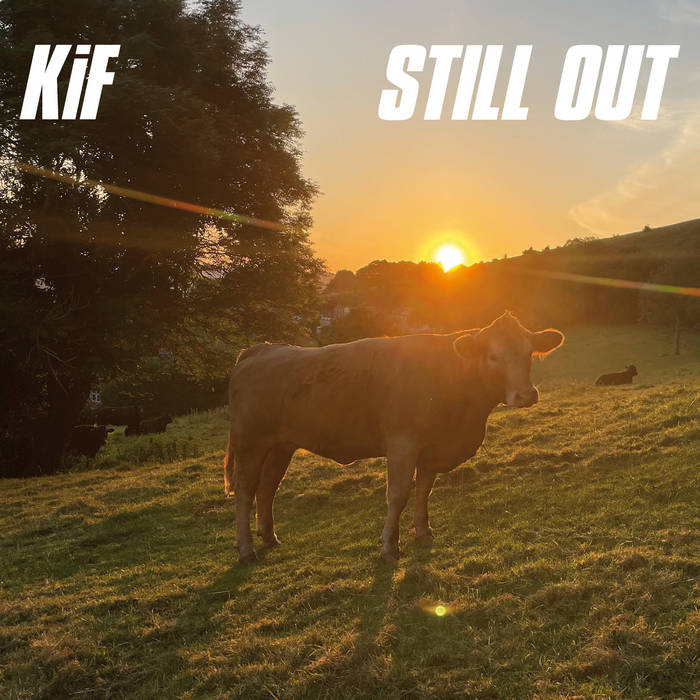
4. KiF: ‘Still Out’
It was a bold move to rebuild one of the most beloved records of all time from the ground up. Doubly so to try and do it with the work of The KLF, one of the most inimitable entities in our cultural universe. Lots of people have attempted takes on Bill Drummond and Jimmy Cauty’s 1990 ambient masterpiece ‘Chill Out’ before: there are all sorts of unofficial remakes, remixes, tributes and such to be found online, all which pale in comparison to the original. Even The KLF’s own official revision of the album which is on streaming services as ‘Come Down Dawn’ is a shadow of its former self.
For Will Cookson and Tom Haverly, though, there was something profound in how they approached it, and perhaps partly a sense that they were tapping into the deep forces which drove The KLF initially. In our KLF cover story this year, one of Bill Drummond’s closest lifelong friends reported periodically asking him why he pursues one or other of his inexplicable schemes, to be met each time by an exasperated: “BECAUSE I’VE GOT TO!” The way Cookson and Haverly went about making a 35th anniversary tribute to ‘Chill Out’, born as a joint project with filmmaker Rufus Exton, feels like something they had little choice but to do.
Cookson and Haverly have been friends since childhood, raved and listened to ‘Chill Out’ together as teenagers, and ‘Still Out’ is palpably an expression of that. This is a record about lives lived in the presence of ‘Chill Out’, about the memory of where that record fits into ecstatic and psychedelic experiences and coming of age: and how that memory is reinforced by relentless repetition. Their understanding of ‘Chill Out’ is the kind that only people of a certain age and demographic, who have had it as the ever-present soundtrack to otherworldly adventures and real-world troubles and joys, can have.
But for all the uncannily precise understandings of the original’s structures and sonic spaces, and for all they’ve interjected sly references to and samples of high rave culture, this is not nostalgia. If you’re lucky enough to see a screening of the accompanying film version you’ll see absolute love for the landscapes, wildlife, roads and climate of England and Wales as they exist now in the 2020s: it’s the same friends vibing together, experiencing the world together, as 35 years ago. And the music – with all its extraordinary fitting in of Cymande, Jake Thackray, ‘Under Milk Wood’ and other hyper-specific reference points that replace the wide-skied Americanisms that Drummond and Cauty associated with the road movie aesthetic – is about loving those sounds in the here and now too.
The mood this creates – of friendship, of hedonism as genuine enjoyment of the world and not just escape, of memories as part of us and not just distant ghosts, of sound and art being for total immersion and not just fragmentary feed for the content mills – has never been needed more. The duo never expected this record to be A Thing: they planned 150 vinyl copies and a few film showings. As it turned out, however, it’s not only one of the best and most beloved records of 2025, but it’s also going to be an enduring cultural artefact.
It seems that even in an age of information glut, digital snow blindness and overwhelming dread, two friends building a monument to their favourite record and their shared experiences purely because THEY’VE GOT TO can be a glorious thing.
Joe Muggs
Listen here
Buy here

3. Saint Etienne: ‘International’
Saying goodbye is never easy. Particularly musically when any notion of farewell can hang heavy over the artistic expression. Intentional valedictory releases can of course be nothing more than contractual obligations (Blondie’s ‘The Hunter’ and The Clash’s ‘Cut the Crap’ spring to mind), the creative muse long since an afterthought.
In 2016, the irrepressible David Bowie and Leonard Cohen turned dying into an artistic statement. Yet, while ‘Black Star’ and ‘You Want it Darker’ are up there with each icon’s best work, the sombre finality of both albums didn’t exactly lend itself to any form of joyous celebration, rather respectful remembrance.
A carnival of sound, however, is precisely what Saint Etienne have aimed for – and effortlessly achieved – on their magnificent swansong, ‘International’. Maybe the lovable trio of Sarah Cracknell, Pete Wiggs and Bob Stanley, utilised all their maudlin emotions on the abstract ambience of 2024’s superlative, albeit decidedly non-party-friendly, ‘The Night’. Either way, ‘International’ is jam-packed with smash hits, all charged with disco-flecked pop frivolity and an endearing stylish and literate sensibility. It’s a fitting send-off for a band that have soundtracked our lives – through the wide-eyed thrills of the teenage years and one’s carefree twenties, through to an eventual, possibly reluctant, maturing and into middle age (or a teenage winter as they might have it) – for the best part of four decades.
Fundamentally, ‘International’ is another demonstration of how Saint Etienne fluently harness the power of the imagination and a love of pop and transform those dreams into the art of the possible. The majestic opener ‘Glad’, is a case in point. A collaboration with Chemical Brother Tom Rowlands, it soars with a 60s Spector-like effervescence and combined with a twinkling post-acid house fever it encapsulates the twin qualities of pop – joy and loss. It could be the ultimate hymn to a generation – X – facing a looming mortality head on as Cracknell follows up the observation, “And don’t it make you sad when you’re alone” with the perfect rejoinder: “But don’t it make you glad when the sun shines in your eyes?/Don’t it make you glad to be alive?”
‘International’ is also unapologetically self-referential – or incredibly meta in today’s speak. ‘Brand New Me’, a ceremonial passing of the literate pop baton to Confidence Man, doffs its cap towards the timeless ‘Nothing Can Stop Us’; the continental elan of ‘Sweet Melodies’ (co-written and co-produced with Erol Alkan) hints at the techno folk of ‘Tiger Bay’; ‘The Go-Betweens’ an iridescent duet with Nick Heyward, evokes the kitchen sink drama of ‘Tales From Turnpike House’ and the sparkling Euro pop of ‘He’s Gone’ is a cheeky reprise of 1998’s ‘Good Humor’.
In fact, the only point where things get sad is fittingly on the closing ‘The Last Time’. A supreme slice of symphonic melancholia, it casts an emotional eye over the past as the shimmering synths delicately pull at the heartstrings “for the very last time”. It’s a bittersweet finale, but utterly in keeping with their 35-year existence: clever, inspired, self-effacing. And with that, they’re gone. A job well done indeed.
So long, farewell, auf wiedersehen, adieu.
Jim Butler
Listen here
Buy here
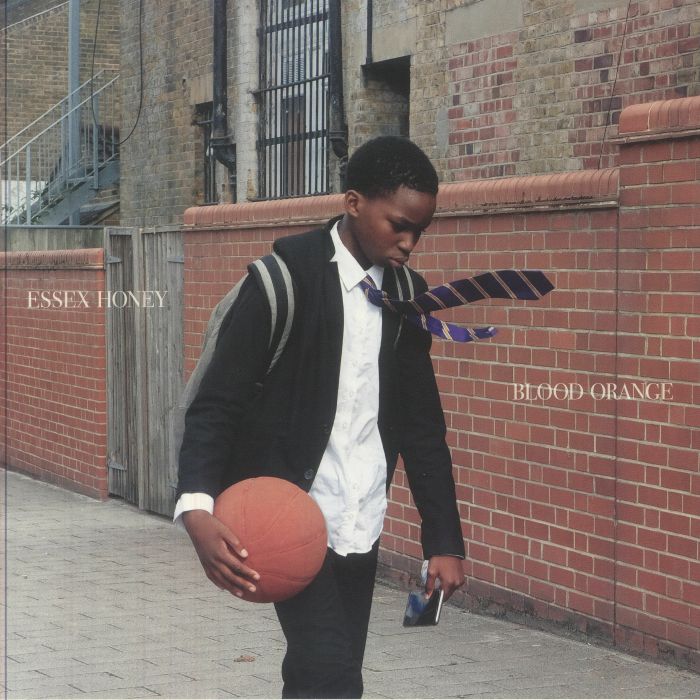
2. Blood Orange: ‘Essex Honey’
We agree about very little these days but on this we are united: collectivism is dead. Argue all you like over who or what’s to blame (Brexit? The internet? Thatcher’s legacy?); the point is, stripped of a shared sense of purpose, we lead increasingly solitary lives with nothing to connect us bar a handful of box sets.
Which makes Dev Hynes, AKA Blood Orange – whose albums unify a range of collaborators, from Lorde to Ben Watt via A$AP Rocky and novelist Zadie Smith – something of an outlier. It was ever thus. He was an outlier in the early 00s when, as one third of Test Icicles, he tried to give hardcore punk a postmillennial sheen. He was an outlier in 2008 when he reappeared, solo, as Lightspeed Champion, a geeky proponent of baroque country-pop. He was an outlier when, under the same name, he graced a 2009 tribute to Moondog, the singular jazz musician who lived on New York’s streets.
Hynes is a New York resident now, too, having moved from Ilford in Essex not long before his debut album as Blood Orange, ‘Coastal Grooves’, in 2011. He returned to his hometown a few years ago to care for his ailing mother, whose death and its effect on Hynes forms the thematic thread of the magnificent ‘Essex Honey’, the greatest of his five LPs, all of which are gems.
Lyrically, inevitably, it’s infused with loss and despair. “A knitted heart they gave to me/I wash my hands and stare into the drain”, runs ‘The Last of England’, perhaps the only song of the last 30 years to locate the sweet spot linking Prefab Sprout to weightless, sun-kissed drum’n’bass. If the cello on that track evokes Arthur Russell so too does Hynes’s skill at drifting between genres, between the clamour and excitement of the city and the tranquillity of the countryside. In the video to ‘The Field’, ‘Essex Honey’’s wonderfully arranged, symphonic zenith, Hynes lies atop the bonnet of a car, hands behind his head, staring at the sky, as he and his friends drive along a rural road. “Healthy as we pray for a journey home”, he sings, and the music falls away, leaving just the strings and cello, allowing him to savour the beauty of the moment.
This is an album rich in beautiful moments: the flute that follows Zadie Smith’s uncredited contribution to the sumptuous ‘Vivid Light’; the mood-shifting injection of jazz that fuels the final minute of ‘Thinking Clean’; the stuttering riff from disco classic ‘Don’t Make Me Wait’, by Larry Levan’s Peech Boys, on the spacious ‘Westerberg’. That, incidentally, is Paul Westerberg, the frontman of unruly 80s rockers the Replacements, whom Hynes would have no doubt attempted to recruit were the 65-year-old still releasing music.
‘Essex Honey’ is that kind of LP – gloriously unpredictable, unusually nuanced, steeped in nostalgia but never antiquated. Who knows when Hynes will start work on his next set, but anyone who thinks their voice would complement his vision should find his house on Google Maps and camp outside his door. The queue for the guest list will soon be a mile long.
Paul Mardles
Listen here
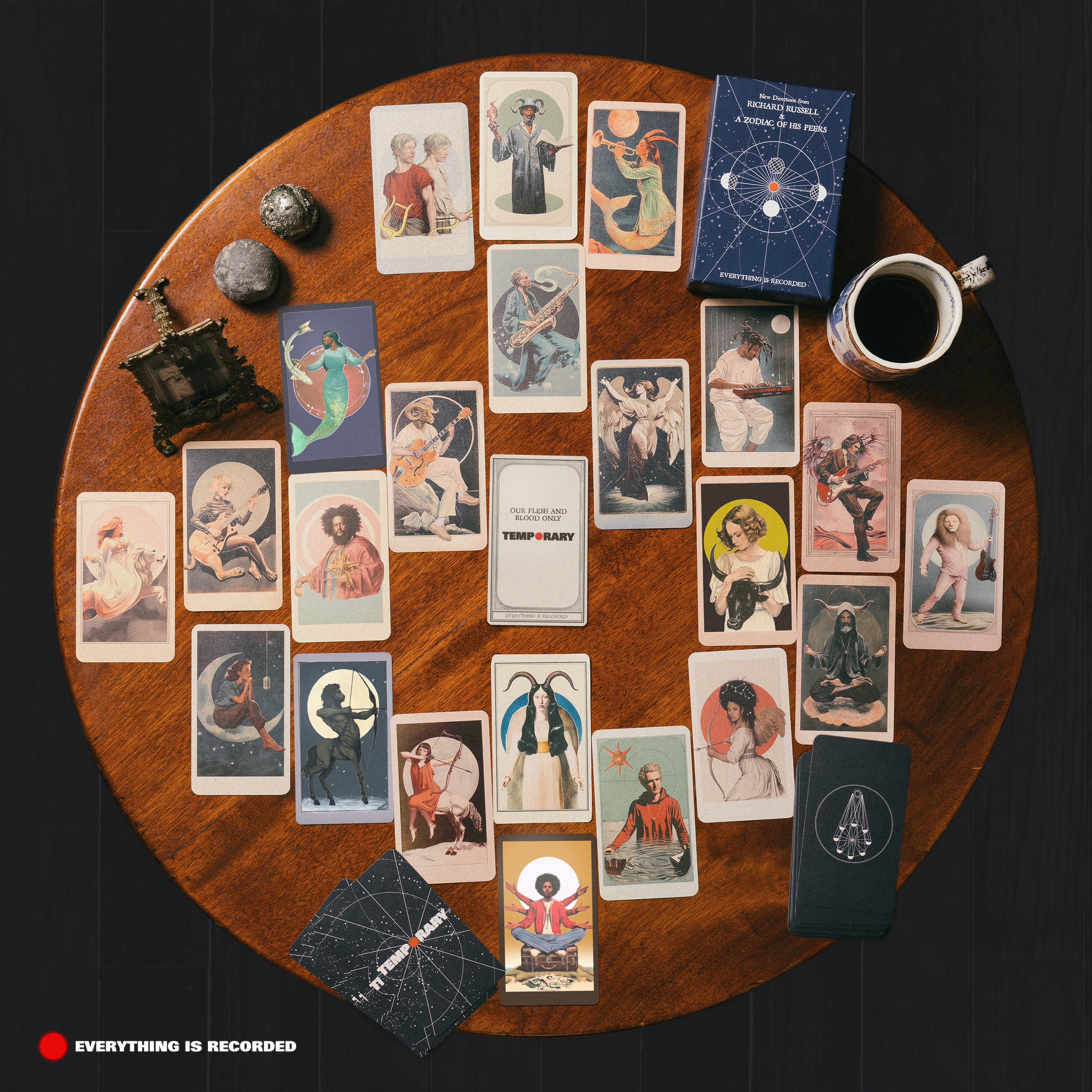
1. Everything Is Recorded: ‘Temporary’
Whichever way you cut it, 2025 has not been a red letter year for humanity. Crushingly, frustratingly, helplessly, maddeningly, we now live in an age of bombastic belligerence. Those individuals – men, mostly – who stride the world stage like latter-day, and oftentimes, self-appointed, Colossi, you know, your Trumps, Musks, Farages and Netanyahus, only deal in overblown gestures and performative grandstanding, as if somehow subtlety or nuance were a sign of weakness or, worse still, femininity.
In their orbit, the headline is first, last and everything, to hell with such trifling concerns as substance or detail. Somewhere on a different astral plane a French philosopher is muttering bon mots about spectacles, decay and unrealism…
It doesn’t have to be like this of course. There are always green shoots of hope if you look hard enough and it’s here where the creative act can, mercifully, provide a bulwark, whether intentionally or not, against such domineering, attention-seeking and divisive rhetoric. And when it comes to shining a light on the minutiae of life – where the real stuff happens of course – no other act have understood and celebrated the fact that the details matter as much as Richard Russell’s peripatetic Everything Is Recorded super collective.
After two previous albums, 2018’s ‘Everything is Recorded by Richard Russell’ and 2020’s low-key ‘Friday Forever’, this year’s ‘Temporary’ was everything those besieged by the times, yet refusing to be defeated, would want it to be. A sonic comfort blanket, in its dusty, understated grooves, the barely-there found sounds and the melding of winsome folktronica and woozy, weightless beats is an elegiac defiance.
An aside: little in Russell’s back story prepares for the sparseness of his Everything Is Recorded project (and ‘Temporary’ wasn’t the only release from that venture this year: there was also the improvised, meditative 40-track ‘Solstice Equinox’ collection and the ‘No Ends No Beginning’ EP). There’s nary a hint of his rave past (remember Kicks Like A Mule’s ‘The Bouncer’?), nor his production work with Gil Scott-Heron, Damon Albarn or Bobby Womack.
The title is apposite. Not only does the gossamer music hint at fragility and impermanence, but the album’s central conceit is a quiet reflection upon mortality. Life, death, remembrance and affection all come together, not least in the spoken word interludes and samples that adorn the opening ‘October’ and the penultimate track ‘The Meadows’, in an acknowledgement that our time here is finite and that those fleeting moments of everyday experiences – joy and despair especially – are the real weight of life. It’s all in the details.
Musically, those details are similarly transitory. The first track proper, ‘My and Me’ sees Sampha and Laura Groves trading haunting ruminations upon loneliness and self-deception (“Ain't it a lonely feeling/Talking 'bout them and me/Instead of family”) against a gauze-like musical backdrop featuring Alabaster DePlume. The hallucinatory alt.Americana of ‘Porcupine Tattoo’ brings together the unlikely pairing of Bill Callahan and Noah Cyrus, whilst the lysergic, Pagan trip hop lullaby ‘Never Felt Better’ is Sampha harmoniously dovetailing with a dreamlike Florence Welch.
And on this beautiful, uncompromising vision goes. Folk rock matriarch Maddy Prior garnishes the chimerical melodies of ‘Ether’ with an emotional heft that is drawn from every one of her nigh-on 80 years on this planet. ‘Firelight’ and ‘No More Rehearsals’ directly address the loss at the centre of ‘Temporary’; the former a sepulchral lament, the latter a heartbreaking yet ultimately rousing, gospel-infused, expression of grief (“I can’t wait until we see each other again” sings one of the album’s key figures Jack Penate).
Indeed, the musicians that Russell wisely surrounded himself with to bring this wonderful piece of work to life is instructive. As well as those mentioned, Jah Wobble, Kamasi Washington, Samantha Morton, Roses Gabor, Berwyn, Yazz Ahmed and Nourished By Time all appear, alongside a parting recording of Scott-Heron on the closing ‘Goodbye (Hell of a Ride)’. Drawn from every musical, cultural and geographical corner imaginable, Everything Is Recorded seek to exalt the power and beauty in collaboration; the joy in coming together; that, at heart, there are more things that unite than divide us.
In the hands of lesser musical directors this grand yet understated project could have mutated into overblown pomposity. But Russell, always a music fan and consummate A&R – this after all, is the man who made stars out of Adele, The xx, Dizzee Rascal, The Prodigy, The White Stripes etc – instinctively understands what each song requires. In exercising restraint, stripping back the music to its bare bones and oftentimes dealing with an absence of sound, ‘Temporary’ is heightened, enriched, empowered – a soulful symphony for our troubled times.
Jim Butler
Listen here
Buy here