For a number of reasons, 2026 has been another bewildering year – we don’t envy future historians attempting to make sense of such inexplicably divisive times. Thankfully, music remains a reassuring bulwark against such nonsense. As such – and in time-honoured music journalism fashion – we’ve collated the albums that have provided sonic succour over the last few months.
In a break from convention, however, we haven’t chosen an all-conquering longplayer to define 2026, rather a collection of disparate albums that have each soundtracked Disco Pogo’s year.
We present – in no significant order – our first five records for your delectation. The next five will drop next week (w/b 30 November). Followed by another five the week after (w/b 7 December).
We hope you find some new discoveries among the sounds you already love.
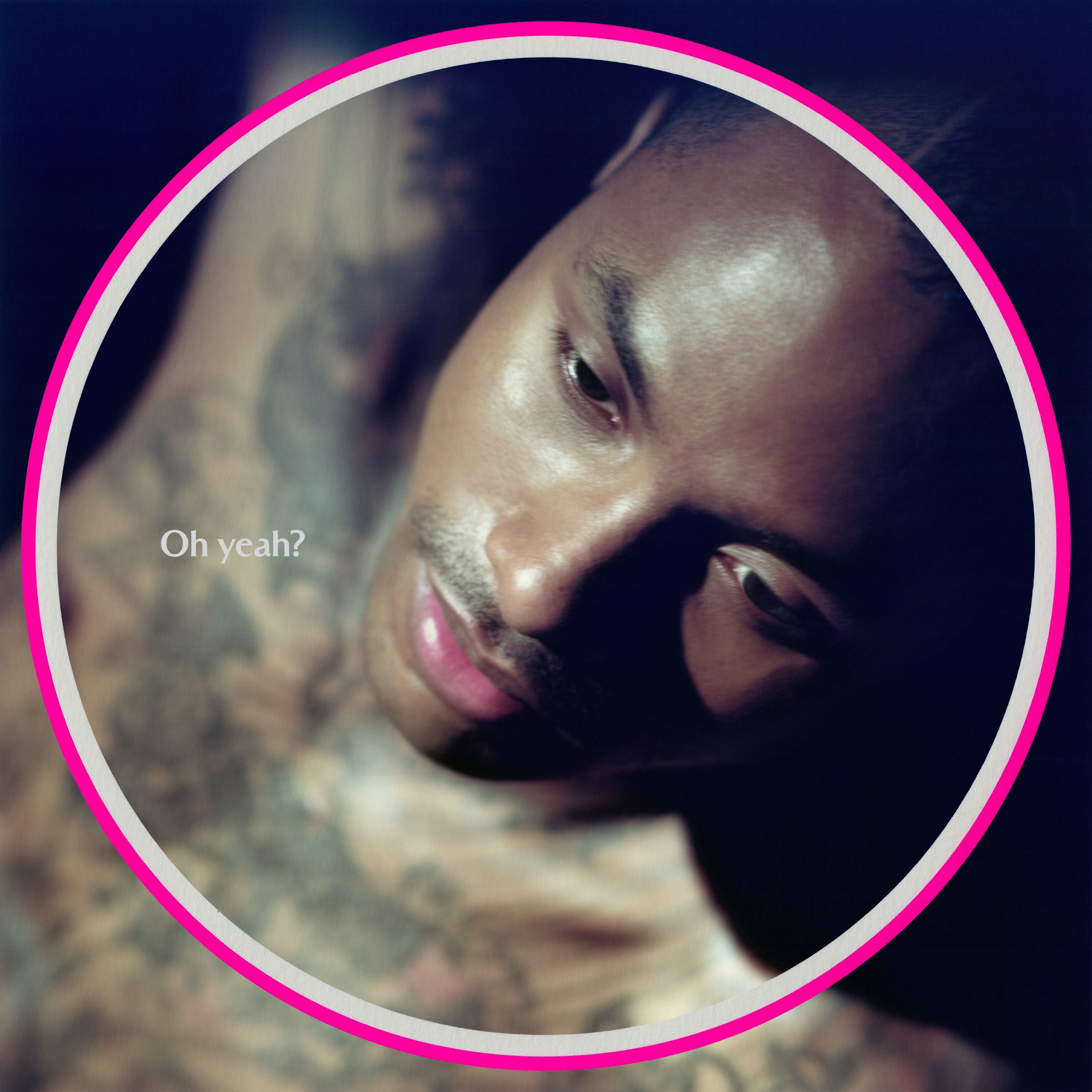
Steve Lacy: ‘Oh Yeah?’
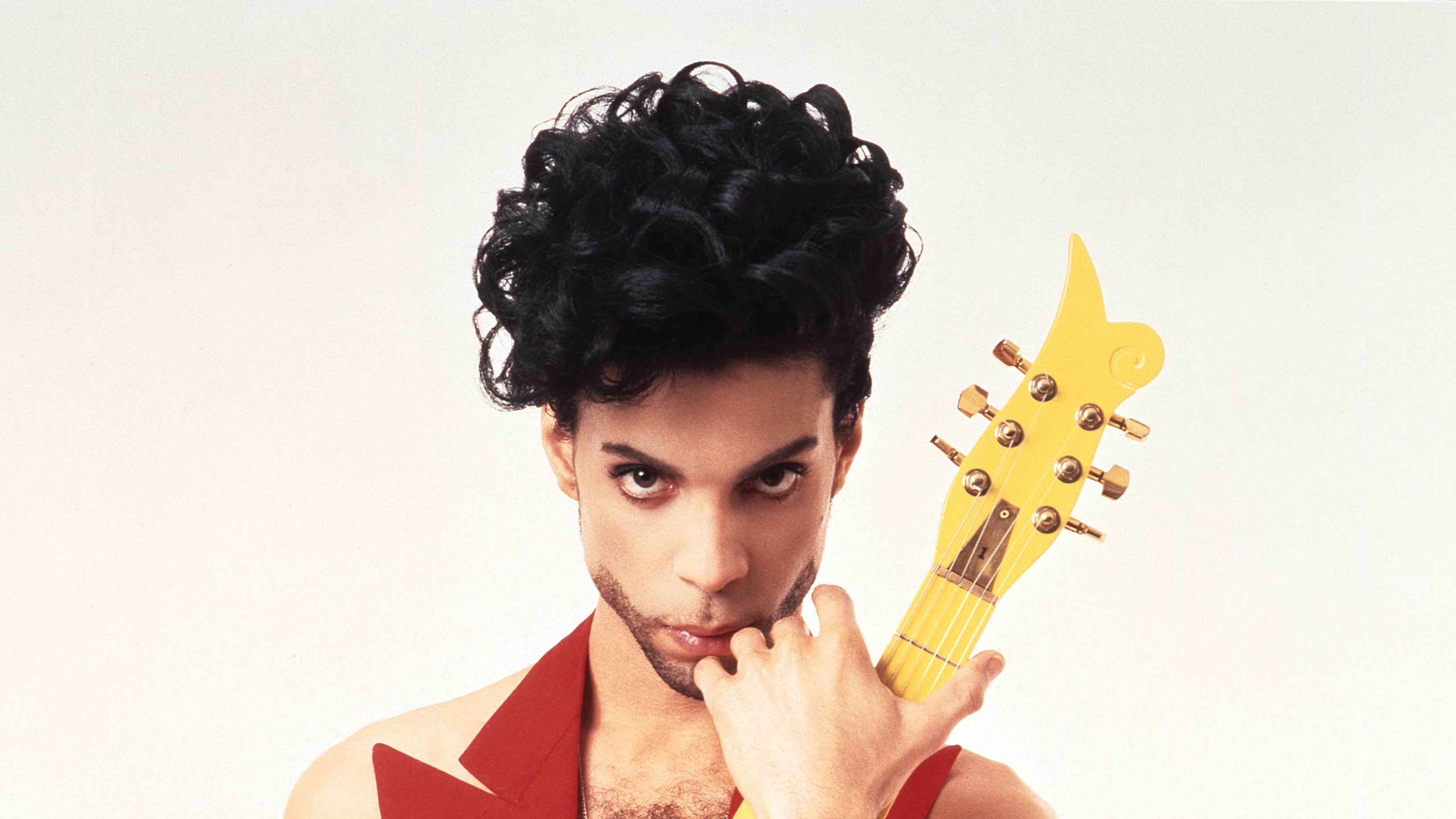
One of 2026’s more sobering reality checks was the realisation that it’s been ten years since Prince left us. As well as being another reminder that time continues to march on regardless, the anniversary also shone an unnerving light on the contrast between the place of art and culture in the period the Purple One defined so effortlessly and today’s more diffuse, less consensual times.
In music’s final monocultural hurrah of the 80s and 90s, an artist like Prince was recognisable to all. There was an agreement that the likes of Madonna, David Bowie and Prince were central to the stories of our lives. They sold millions of records and played to an equal number of adoring fans. Today, Steve Lacy can sell out gargantuan arenas to his devoted fanbase and yet walk down the street almost unrecognised.
He might prefer that of course, but such a disconnect is reflected in the laughable chart placing of his brilliant third album, ‘Oh Yeah?’. Blame it on the dizzying effects of the unending heatwave, but scraping to number 81 in the UK album charts when it was released in July is no reflection of either the album or the talents of someone who has picked up the creative baton bequeathed by Prince, OutKast and Pharell Williams and taken his kaleidoscopic vision to inventive new heights.
Like those stellar names, Lacy’s sound defies neat categorisation. He’s routinely referred to as an alt-pop-cum-R’n’B musician, but the sounds he proffers from his fertile imagination cast their net far wider than that. On ‘Oh Yeah?’ he marries funk, hip hop, indie rock, dream pop, soul and electronica to great effect. At times he evokes the anthemic symphonies of Stevie Wonder and then with a deft chord change he’s a one-man MGMT before mutating into a Beck-like soul-baring troubadour.
The titular opening track sets out Lacy’s stall as fuzzy electronics, what sounds like a banjo and a restrained pace give way to the multi-instrumentalist proclaiming: “Life’s a beach and then you live again/Tragedies and wins, break-ups with your friends…” Whereas the superstars of yesteryear wouldn’t have been plagued by such self-doubt (or would have at least hidden it beneath a veneer of braggadocio), Lacy leans into his insecurities, conjuring up a compelling collection of thoroughly modern tales of love, loss and heartbreak.
The confusion that lies at the centre of Lacy’s magnetism – the sexual politics and questions of identity – are front and centre in his lyrics. In ‘The Feeling’ he mournfully laments “The heart takes what it wants, I'm not scared to bleed”, but this is backed by music of glistening gossamer-light beauty. This juxtaposition is everywhere. On the decelerated hip hop of ‘Is it Cool?’, in which he duets with R’n’B royalty SZA, the subtle psychedelic production is reminiscent of Four Tet at his most bucolic.
Elsewhere, the funereal, stoned-to-say-the-least beats of ‘Pure Colour’, featuring Erykah Badu, bring to mind Portishead if they had been based out of Compton, rather than a forgotten estuary town near Bristol. ‘Doom’ is 90s slacker rock given a boost of dopamine; ‘Show You Me’ is a twisted update on Baroque pop and folk rock and the penultimate ‘Nice Shoes’/In Your World’ is a breakbeat, drum’n’bass-infused mini opera.
By the time the closing ‘Bebe’ – ‘Let it Be’-era The Beatles cosying up to Mazzy Star – rounds off ‘Oh Yeah?’ it’s clear Lacy is an artist operating beyond genre. Which in the 90s would have made him a Generation X icon, but in 2026 only sees him reach the giddy heights of 41 on the Lithuanian album chart.
We live in mysterious times.
Jim Butler
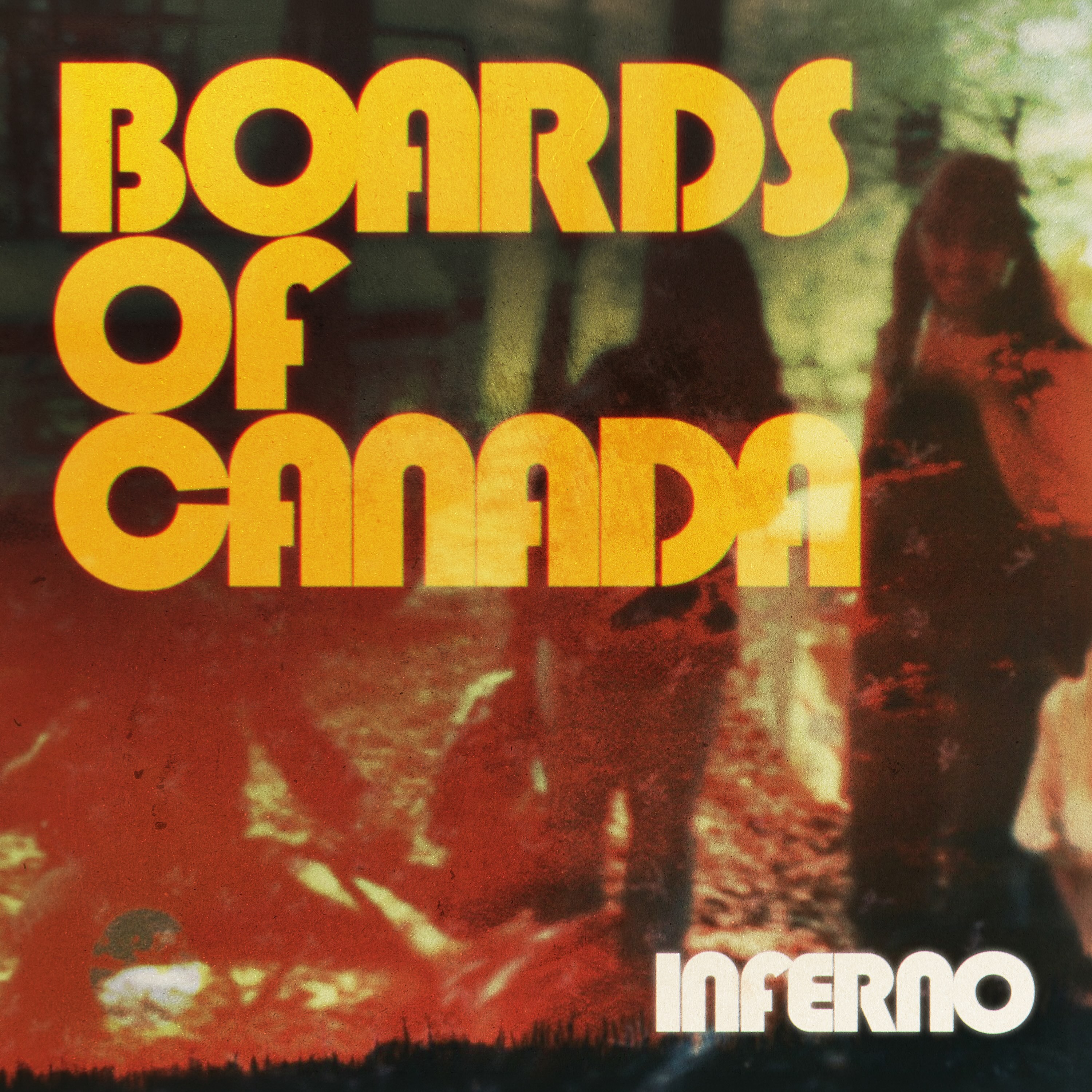
Boards of Canada: ‘Inferno’
For the vast majority of people on the planet, 2026 has not been a great year. It’s not just the fear of Putin, Trump and Xi carving up the globe into three distinct blocs, or AI’s burgeoning threat to our existence. There’s also the awareness that the droughts and floods and storms, the wildfires that ravaged Europe and the US, are indicators of an ecosystem in meltdown. If these aren’t the last days, the countdown has begun.
Just ask Boards of Canada, whose fifth album, ‘Inferno’, clung to the themes (decay, desolation, societal collapse) of its predecessor, 2013’s ‘Tomorrow’s Harvest’, invoking Nostradamus, the prophet of doom, whose musings on the Antichrist were the core component of the serene ’Age of Capricorn’ – according to devotees on Boards message boards at least.
‘Inferno’, typically, was that kind of set: cloudy, allusive, loath to share its secrets. Why did it run for exactly 70 minutes, recalling early Boards imprint Music70 and the song ‘SixtyTen’ from ‘Music Has the Right…’? Did ‘The Word Becomes Flesh’, a steal from the Bible, allude to Jesus assuming human form? Were the insistent bleeps on ‘Memory Death’ – a sweeping, drumless, elongated sigh – the sound of the Earth on a life support machine?
Not every track was swathed in mystery. Fuelled by dialogue from a 70s documentary, ‘Man Alive: The Jesus Trip', ‘Father and Son’ explored familial tensions between a convert to cult group The Children of God and his clearly anxious dad. “I love you, but I love the Lord,” began the treated vocal, its robotic timbre hinting at a loss of self. We’re torn asunder everywhere, appeared to be the message, from the global stage to the domestic sphere, and blind faith only serves to reinforce those rifts, quashing discussion, breeding insularity. Tellingly, one of the album’s many highlights, ‘Naraka’ – which started as a cobwebbed chill-out tune before morphing, unexpectedly, into a Hare Krishna chant – is the Buddhist term for hell, albeit one where you stay until you are reborn.
Small wonder the music was icy and portentous – witness ‘Prophecy at 1420 MHz’, which somehow evoked an ancient snake charmer and an ogre with a sore throat guarding the underworld – if still recognisably Boards of Canada. Exquisite, in other words, for all its chilliness, particularly the elastic ‘You Retreat in Time and Space’. Here, as on ‘Everything You Do Is a Balloon’ – the standout on 1996’s ‘Hi Scores’ and arguably the greatest song Boards have ever made – they performed that trick that’s peculiar to them, switching from restraint to euphoria in the blink of an eye while never breaking sweat.
Such sleights of hand shouldn’t work after all these years when BoC have spawned several imitators, stripping them of their singularity. But in focusing on the present, on the ills of the real world, rather than snippets from a half-remembered past, ‘Inferno’ mocked the notion that Boards’ best days were behind them. If only that were true of this planet we call home…
Paul Mardles

Shy One: ‘Mali’
Heartfelt, eclectic and intimate, there is something very 2026 to ‘Mali’, Shy One's stellar second album. Or the good bits of 2026, anyway. The intensely personal 10-track release sees the producer and DJ (born Mali Larrington-Nelson) embrace the diverse styles of her own musical journey, reflecting a radical honesty that chimes with much of the best of this year’s dance music, from Robyn to Nia Archives.
Rather than hiding behind the hard walls and blank song titles of generic dance music, ‘Mali’ is Shy One's life in music, from DJing on pirate radio as a teenager to the present day. The connection is literal at times: opening track ‘Evidence of My Love Affair’ features Shy One’s mother speaking about radio and the album ends with ‘Live Dis Ting (Belt Drives)’, whose title alone will speak to anyone who grew up DJing on dodgy turntables.
In interviews promoting ‘Mali’, Shy One, a self-proclaimed overthinker, wondered whether kicking off the album with ‘Evidence of My Love Affair’ was too indulgent, but decided it was essentially a reintroduction, coming 14 years after her debut album, ‘Bedknobs and Boomkicks’. (Her dad, legendary radio DJ Trevor Nelson, doesn’t feature here. But he might as well do.)
At other points, the links to Shy One’s history are more implicit. ‘Nort Wess’ takes inspiration from the grime productions that first drove her to make music, while the diverse guests – including George Riley, James Massiah, Steve Spacek and Private Joy – are all people that Larrington-Nelson knows personally. On a more macro level, the album barrels elegantly through house, grime, jazz, dub and broken beat, in what sounds like a musical guide to growing up in London (with apologies to drum’n’bass.)
‘Mali’ is faithful to the history of Black British electronic music. But it’s not in thrall to it, or an exercise in simple nostalgia; instead reinvention, juxtaposition and imagination are to the fore. ‘Nort Wess’ is like grime running headlong into cosmic house, an unusual brew that works fantastically; ‘Loosen Up’ is acid broken beat; ‘Moonlight’, with Private Joy, is late-night jazz for the bruk (modern broken beat) generation; and the perfectly named ‘Same New Song’ takes vintage Chicago house and introduces it to the deepest bass lines that modern music can afford, via a welcome dose of chaos.
The music on ‘Mali’ is familiar but never overly so. It’s moving – especially on the epically mournful album highlight ‘Driving on Sand’ with low-key legend Steve Spacek – funky as fire and it all sounds totally natural, the kind of box-fresh musical fusions that might occur to someone who has grown up with British music at their fingertips. It’s little wonder that it became such a cult favourite this year, the connoisseur’s choice for eclectic beats.
In fact - to keep things particularly 2026 – ‘Mali’ might even be Shy One’s own ‘Odyssey’, with British dance music standing in for Homeric myth and genuine emotion taking the place of interminable Hollywood sword fights. Shy One comes home on ‘Mali’ – and the world is a better place for it.
Ben Cardew
The Durutti Column: ‘Renascent’
The return of the Durutti Column (forgive the pun) is not something many people anticipated in 2026. While Vini Reilly’s influence has felt especially pronounced of late – loved by the likes of Frank Ocean, sampled by everyone from Blood Orange to The Avalanches, plus a tribute concert put together for Harry Styles’ Meltdown festival – he has remained largely elusive and inactive for years.
The Durutti Column’s last studio album was 2010’s ‘A Paean to Wilson’, and since then Riley suffered a stroke, financial problems, poor mental health and reduced mobility, including decreased guitar playing ability. In a 2023 Guardian interview he announced that he was effectively done. “I’ve played for 60 years, that’s long enough,” he said. So his first new music in 16 years was an unexpected and welcome surprise but even more so was the quality and emotional punch of the resulting work.
‘Renascent’ isn’t filled with the kind of liquid, shimmering guitar playing that you think of on early Durutti Column albums, with Reilly’s deft yet meticulous playing sounding as seamless as it does masterful, with licks and melodies that glide and glisten endlessly. Instead, this is very much a collaborative record between drummer Bruce Mitchell, multi-instrumentalist Keir Stewart, with guest appearances from singer-songwriter Caoilfhionn Rose.
While Reilly is very much at the core of this record, with flickers of his trademark playing style underpinning much of the tone and flow, his presence feels more fragmented and pieced together. His parts weave in and out, clearly edited together from snippets of playing he’s still capable of rather than extended takes. However, rather than feeling disjointed or lacking, it all adds to the haziness of the record, which is often akin to dipping in and out of a dream state.
The album’s opening track ‘Echoes in the Memory’ feels like a perfect metaphor for the entire record, capturing a familiar sonic world that feels like a prolonged fractured echo of something you half-recognise from nearly half a century ago. There is a quiet, refined beauty to the album, in which, at times, Reilly feels like he is slowly disappearing into it. And sometimes when he does take more of a step back, as on the gorgeous Caoilfhionn Rose-led ‘Sargasso Sea’, it opens up a whole new palette and emotional register to the record that feels like those old memories giving way to create new ones.
This idea of tapping into the past to create a new present is a key theme throughout the album and it’s one that closes out proceedings too. The penultimate song, ‘For Friends Everywhere’ is an orchestral rework of one of The Durutti Column’s most beloved songs, ‘For Belgian Friends’, and it’s difficult not to view this as some sort of farewell and parting thank you to everyone who has been along for the ride.
However, the last sound that you hear on the record, as should be the case, is that singular tone of Reilly's guitar, as it ripples radiantly through the closing ‘All They See is Fire’ before it slowly fades – perhaps for the final time. But who knows? Maybe we’ll get another record in 16 years. But, in the meantime, we should all cherish this unexpected offering from a true pioneer.
Daniel Dylan Wray

Mike D: ‘Thank You’
The return of Mike D can’t have been on many listeners’ 2026 bingo cards. When the former Beastie Boy came out of nowhere with the breakbeat-driven single ‘Switch Up’, a collision of irreverent punk-funk energy, spiky guitars and eerie string samples, it’s fair to say most were surprised.
After all, when his bandmate Adam ‘MCA’ Yauch sadly died in 2012, it spelled the end of the Beasties’ recorded output, and there was no suggestion that there would be any individual endeavours from either Mike D or Adam ‘Ad-Rock’ Horovitz. ‘Switch Up’, however, was no fluke. The album ‘Thank You’ is a freewheeling gem. Backed by the 5D band that features his sons Davis and Skyler, plus Eddie and Milo Ruscha and Will Graefe, Mike D explored all manner of styles and sounds across the record.
‘Secrets Pt.1’ sounds like The Neptunes at their most innovative, all booming drum machines and creeping synth blips, while the MC spits “got secrets but I’m happy” in commanding tones over the top. ‘Secrets Pt.2’ is even more overtly machine-driven, an excursion into electro with thrumming bass arpeggios and Mike D singing melodiously. ‘What We Got’ hints at ‘Check Your Head’-era Beasties with its huge drum hits, funk feel and heavy riffing rock influences, but the track dissolves into a psychedelic reverie at its close.
‘That’s Right’ is a minimalist, stripped down lo-fi piece with Mike rhyming over what sounds like a clapped-out rhythm box, overdriven through a fuzzy amp. ‘I Don’t Care’, by contrast, is a tender collision of indie guitars and dub bass, again featuring Mike singing, that reaches an emotive string-laden denouement. ‘Crypto’ is a bolt from left field, with distorted vocals that ride a beat that switches between fuzzy punk and Southern hip hop.
The bittersweet guitars of the closing ‘Thank You’ saw Mike reminiscing on his early days in the Beastie Boys: “We were just kids, working it out.” It’s a heartfelt, genuinely effecting closer and a fitting tribute.
At 61 years old, Mike D sounds less constrained than ever. It’s as if he felt no compulsion to appease any musical expectations, and ‘Thank You’ is just the life-affirming record we needed in 2026. Yes, he’s rapping over a large part of the record, but also mining all the inspirations he loved during the Beastie Boys years, and since. There are certainly more influences from dance music than before: just witness how ‘Here We Are’ ends in the kicks and snares we’d normally associate with Jersey or Baltimore club music. Like another giant of American “alternative” music, Kim Gordon, Mike D sounds like he’s having a whale of a time being more experimental, upending what’s expected of older musicians.
As artists from the worlds of rap, techno, drum’n’bass and post-punk get older, perhaps we’ll hear more adventurous opuses like ‘Thank You’, instead of safe acoustic records or victory laps. Is 60 the new 30? In Mike D’s case, it sure sounds like it.
Ben Murphy