.svg)
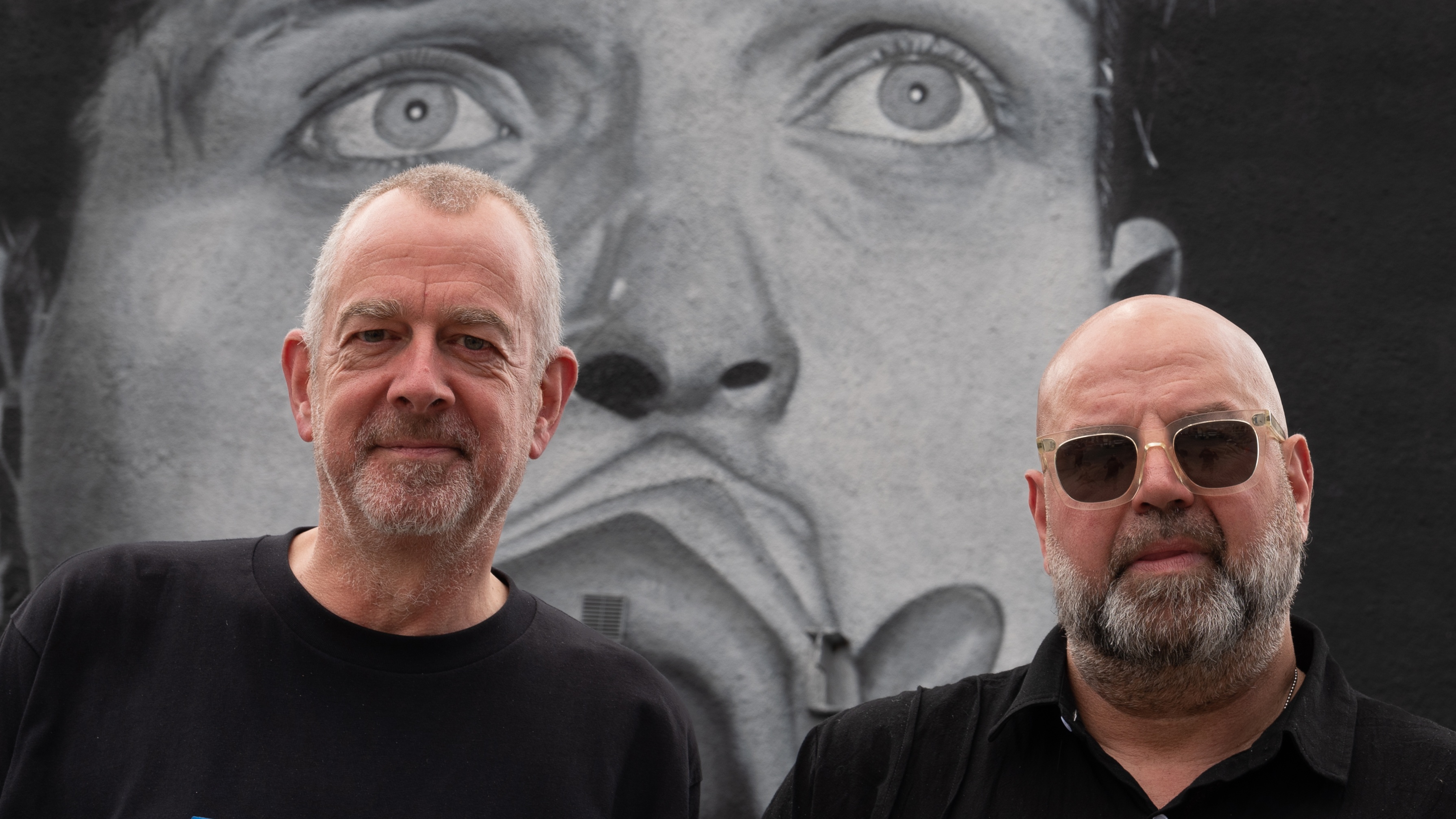
At an age when most are beginning to put their feet up, it appears that DJ Hell has just got going. Fresh from releasing one of the best (if not indeed the best) albums of his career, the superb house-techno throwback ‘Neoclash’, the enthusiastic Hell is still relishing the sounds of the underground and living his best life. Speaking to Ben Cardew, the man born Helmut Geier talks all things house music, the importance of style and breathing new life into that most controversial of genres: electroclash. “This is very important that people understand that I found that name,” he points out…

At 63 years old, DJ Hell’s life is something to aspire to. A true devotee of dance music, the DJ/producer/label boss, born Helmut Josef Geier in small-town Bavaria, never lost faith in the underground, never coasted on reputation and never gave up on the cutting edge.
This is a man who has DJed regularly since the late 70s; whose first self-produced single, ‘My Definition of House Music’, was an instant classic back in 1992; who founded one of dance music’s most respected labels, International Deejay Gigolo Records, three decades ago; who pioneered electroclash; was the resident DJ at the Limelight in New York alongside Jeff Mills; and has just released perhaps the strongest album of his career.
That’s ‘Neoclash’, a turbo-charged and twisted take on the classic electroclash sound that delves back into dance music history while taking
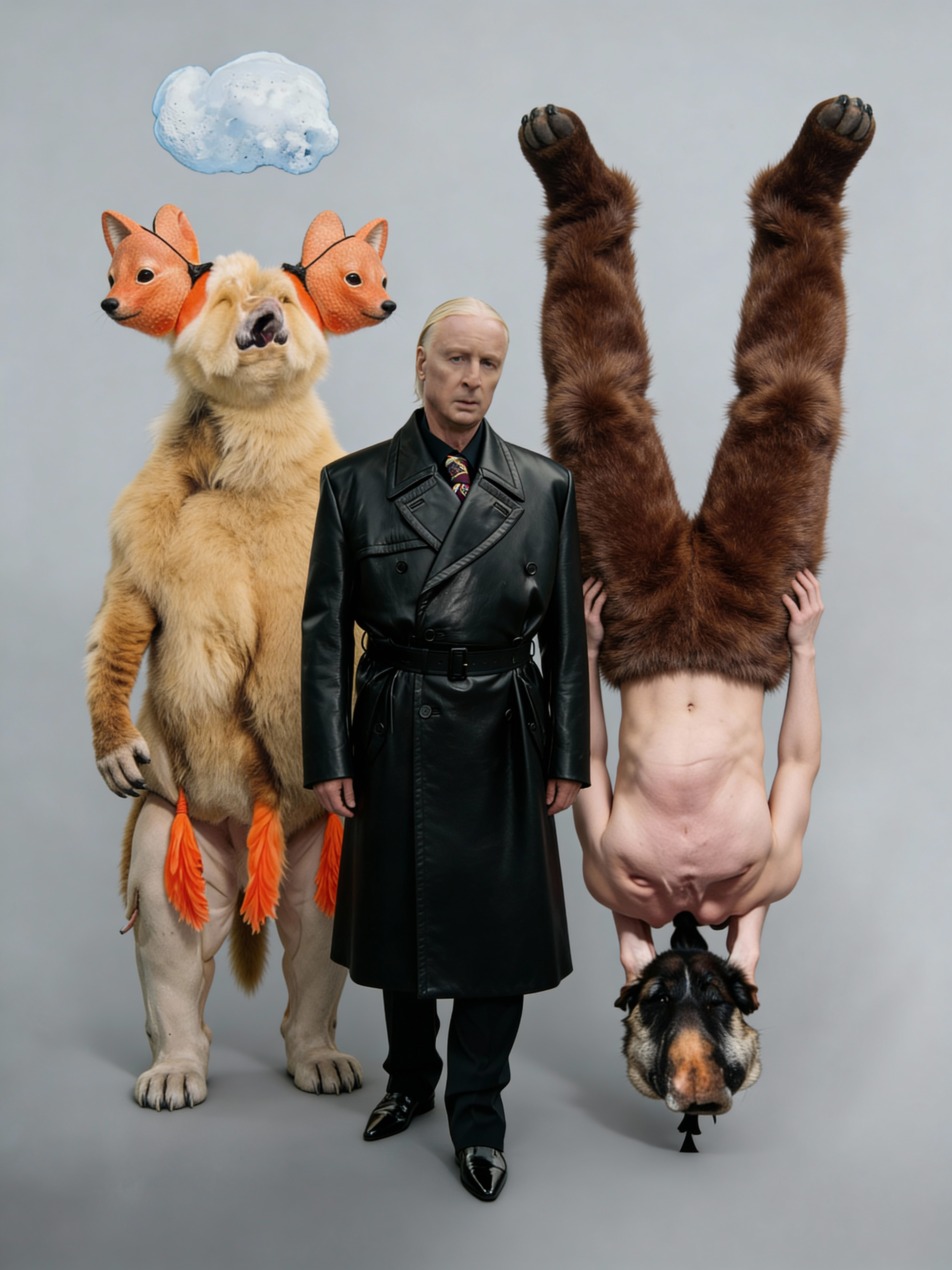
precisely no prisoners. On the cover, an AI take on Hell’s face stares back at you as if defying you not to enjoy his new record, his slightly pained expression the one of a man who has seen too much but partied on regardless.
In 2026 Hell has dozens of projects on the go, from working as music director for Albert Ostermaier’s new play ‘Munich Machine’, to recording songs for ‘Neoclash 2’, alongside crafting a full-on techno album and touring the DJ world. And he has no intention of slowing down.
“In a regular life I might be retired maybe soon. But I made a list of new projects for 2026 and it’s like a one-page list,” Hell says, a warm smile on his lips. “I really don’t know why people are losing their power or their love for the music and just repeating their success or their way of music, which is already not cutting-edge anymore,” he adds. “I don’t understand why people my age, not many are interested in real underground music.”
Hell is speaking from Altenmarkt an der Alz, the small Bavarian municipality in which he grew up, a town known mostly for agriculture and forestry. He’s sat on a bench, basking in the winter sun and his conversation is punctuated by the occasional sound of children passing.
It all looks idyllic – if not necessarily the place you’d expect to find a titan of the underground techno scene. But Hell says he likes to spend week days here, alone, going swimming in summer, as a respite from his busy work schedule.
Hell doesn’t live in Altenmarkt an der Alz. But then again, he doesn’t really live anywhere. “It depends what’s coming up,” he explains. “An interesting point is the album [‘Neoclash’] was produced all around the world. Some tracks in Sao Paulo, some in England, some in Switzerland, Berlin, Munich, Italy…”
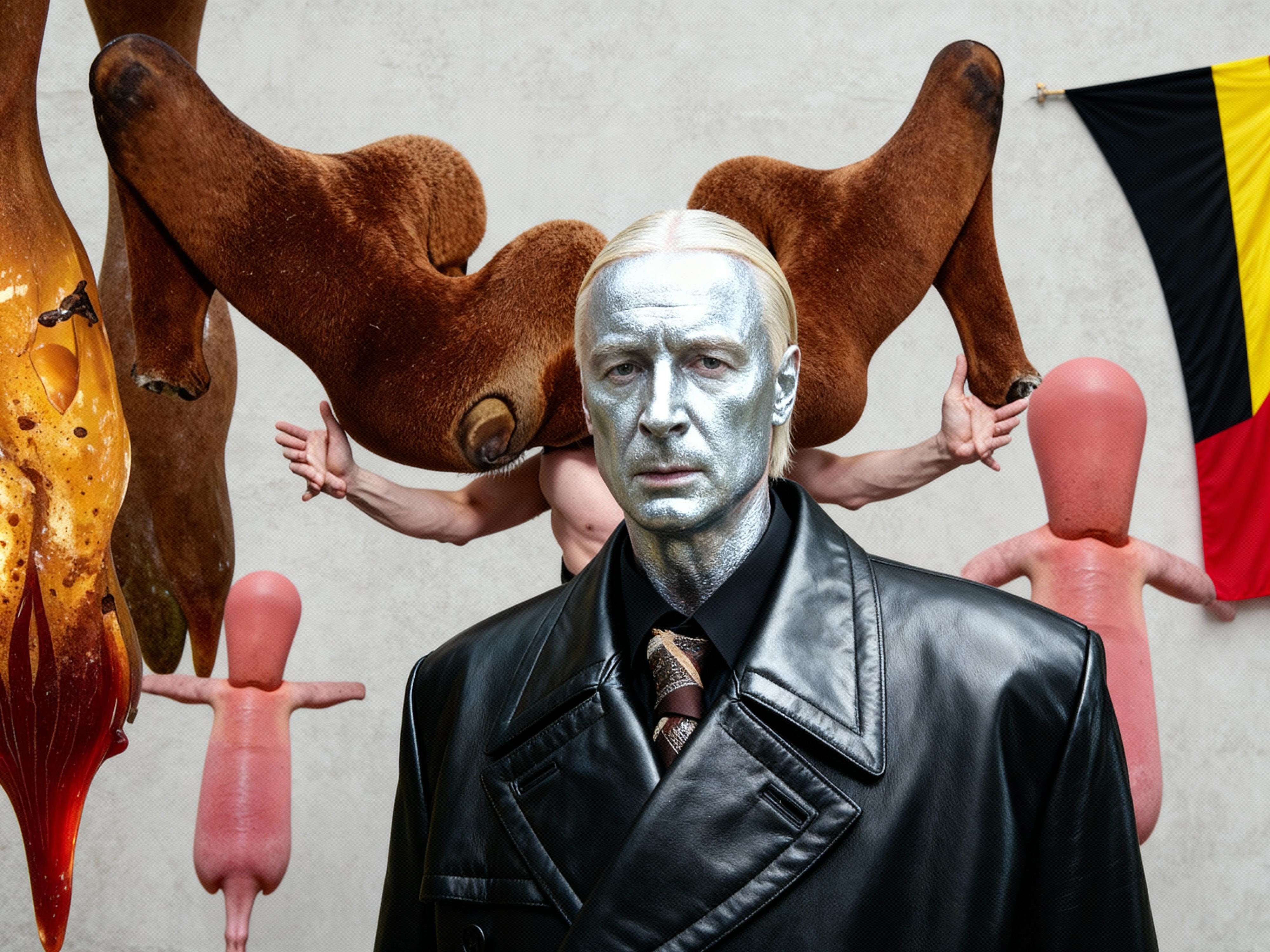
Hell is understandably keen to talk about ‘Neoclash’, which is one of his most warmly received records in years. He doesn’t understand why – in fact, he says that he is “totally surprised” by the positive feedback that has come his way.
The quality of the record – 12 tracks of slamming beats, thunderous production, huge hooks and winning references to both electroclash and classic early house songs like ‘House Nation’ and ‘No Way Back’ – is obvious. More than that, though, it sounds particularly genuine, the kind of record that speaks of a life-time in electronic sounds without ever labouring the point or being too pedantic. In short: ’Neoclash’ sounds like the kind of record clubbers and electronic music fans needed Hell to make, without ever quite realising it.
“I was lucky to be old enough to be in the clubs and to DJ this early house music,” Hell says, when asked why he wanted to reference those formative dance classics on ‘Neoclash’. “When the first house records were released, I was buying imports and a lot of UK acid house stuff. I was part of the movement inside the clubs. I was old enough to understand and DJ and get this music on the dancefloor. So this is my DNA. This is where I come from.”
Could the point of ‘Neoclash’ be to educate young clubbers – to whom Hell plays every week – about the roots of house music in Chicago, New York and Detroit, a historical fact that can sometimes be forgotten in the rush towards novelty? Hell says no. “I’m not a teacher or giving out any messages. This is just me, very personal,” he says. “I put in [to the record] everything I learned and saw when I was living in New York.”
Hell has lived in New York twice: in 1993 when he was resident at the Limelight club with Jeff Mills; and a decade later, when he felt the magnetic pull of James Murphy and DFA. “I heard [The Rapture’s DFA classic] ‘House of Jealous Lovers’ and immediately I knew I needed to go there,” as he puts it.
While in the US, Hell met pioneers of house and techno from Carl Craig to Deee-Lite and these encounters had a profound influence. “It was very important for me to meet the creators and these people who started these genres,” he says, “and [understand] what they were thinking and how they were living and eating and whatever.” This knowledge – together with 40 years of spinning house music – is what comes out in ‘Neoclash’, a wise record that isn’t afraid of simple pleasures.
The reception to ‘Neoclash’ is also undoubtedly linked to the nascent electroclash revival, with clubbers and artists alike – Charli xcx being an obvious example – returning to the halcyon days of early 2000s clubbing, when the outfits were loud, the parties arty and the music driven by angular electro beats and deadpan vocal humour.
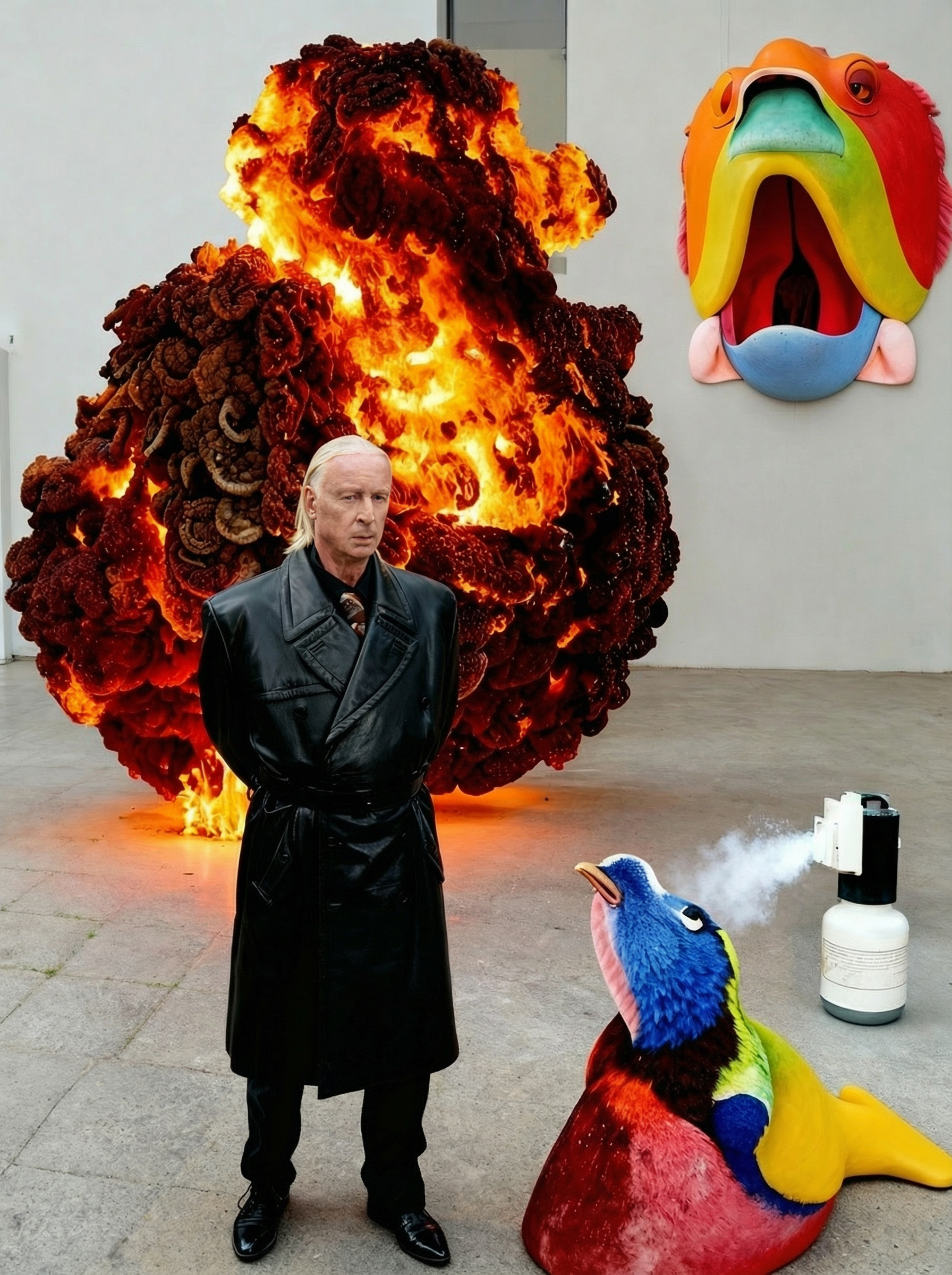
Hell describes himself as the “godfather” and “inventor” of electroclash – and with good reason. His International Deejay Gigolo Records label was at the centre of the electroclash storm, releasing iconic records from the likes of Christopher Just (‘I’m a Disco Dancer’), Fischerspooner (‘Emerge’), Miss Kittin & The Hacker (‘Frank Sinatra’) and Hell himself (the 2003 album ‘NY Muscle’). Hell claims, perhaps controversially, to have also named the genre. “I was in New York and I tried to do a festival and it didn’t work out. So other people [presumably DJ and promoter Larry Tee] did the festival using my name,” he says.
Some producers shy away from musical genres. But Hell seems to relish speaking about his role in electroclash, a quarter of a century on. “This is very important that people understand that I found that name,” he says. “I never talked about it because it was not important to me. Now, with the ‘Neoclash’ thing, I think it’s the right time to tell the truth and let the people know who found it.”
Hell didn’t start recording ‘Neoclash’ as a reimagining of electroclash. But as he produced more and more songs for the album it became clear that it represented a historical circle closing. “I call it the ‘Gigolo sound’ and I’m gonna give it a new touch – like 25 years later – I will try to give it a new sound,” he says. “It’s always hard to describe what [my music] is. But I could call it electroclash now or something like that. I think ‘Neoclash’ is a great term – a new term – for this kind of music and people understand it.”
‘Neoclash’ is not, he stresses, a strictly retro record. “I don’t think about whether I’m out of the cutting edge or out of whatever,” he says, “OK, ‘Neoclash’ has a lot of old-school references but I never thought about it being out of time or out of anything. I think it fits perfectly in time with the comeback of electroclash. For many young people, it’s a new sound. And when I also listen to young DJs playing before me, they play a lot of Gigolo stuff, you know? So I think it fits perfectly in time.”
You can understand why the voguish world of electroclash loved Hell – and why Hell loved it right back. Geier is a very stylish dresser – he talks at length about his collection of military clothing, which he sources from all over the world – and has worked extensively with the fashion industry, including a stint as musical coordinator for Berlin designer Michael Michalsky.
In 2025 he designed the “HELL SUIT” for German fashion label DRYKORN and he mentions a new sneaker he is working on for 2026. Today, he looks fantastic, with his long-flowing, silvery-blonde hair, high-fashion clothing and innate style, somewhere in between dandy, punk and futurist.
Fashion, for Hell, goes hand in hand with music. “It was always very logical to me to dress up because in the new wave days in the 80s, it was like codes, you know?” he explains. “If you see people dressed up like that, you know exactly what music they listen to. You were getting information out of their look or haircut or way of dressing.”
This isn’t so much the case in 2026, when musical tribes are not so pronounced and cultural tastes are arguably more open. But for Hell it is crucial to project the right image when he plays. “It’s very important when I perform: it’s a performance,” he says, putting a telling accent on the last word. “So I need to think about how I look. I can’t be in jeans and a T-shirt.”
Somewhat unexpectedly, he launches into a story about largely forgotten (although excellent) British electroclash group Fat Truckers, whose 2001 single, ‘Superbike’, was re-released by Gigolo in 2003.
Hell relates a conversation he had with the band’s Ben Rymer from this time. “I was like: ‘You’re coming to Berlin with your clothes; then you perform with the same clothes on stage and the next day you go to the airport with the same clothes,” he says, the suspicion growing in his voice. “I told him: ‘I would think about it. You’re really cool guys, really cool dudes. Everybody has a special way of dressing up but on stage you wear the same clothes you wear in the daytime and you wear the next day, you know?’”
What Rymer’s reaction was to this suggestion goes unrecorded. But Hell says that the band left his label after he worked with P Diddy on a 2003 remix of ‘Let’s Get Ill’, a move that looks particularly ill-judged today after Diddy was convicted in 2025 on two counts of transportation for prostitution.
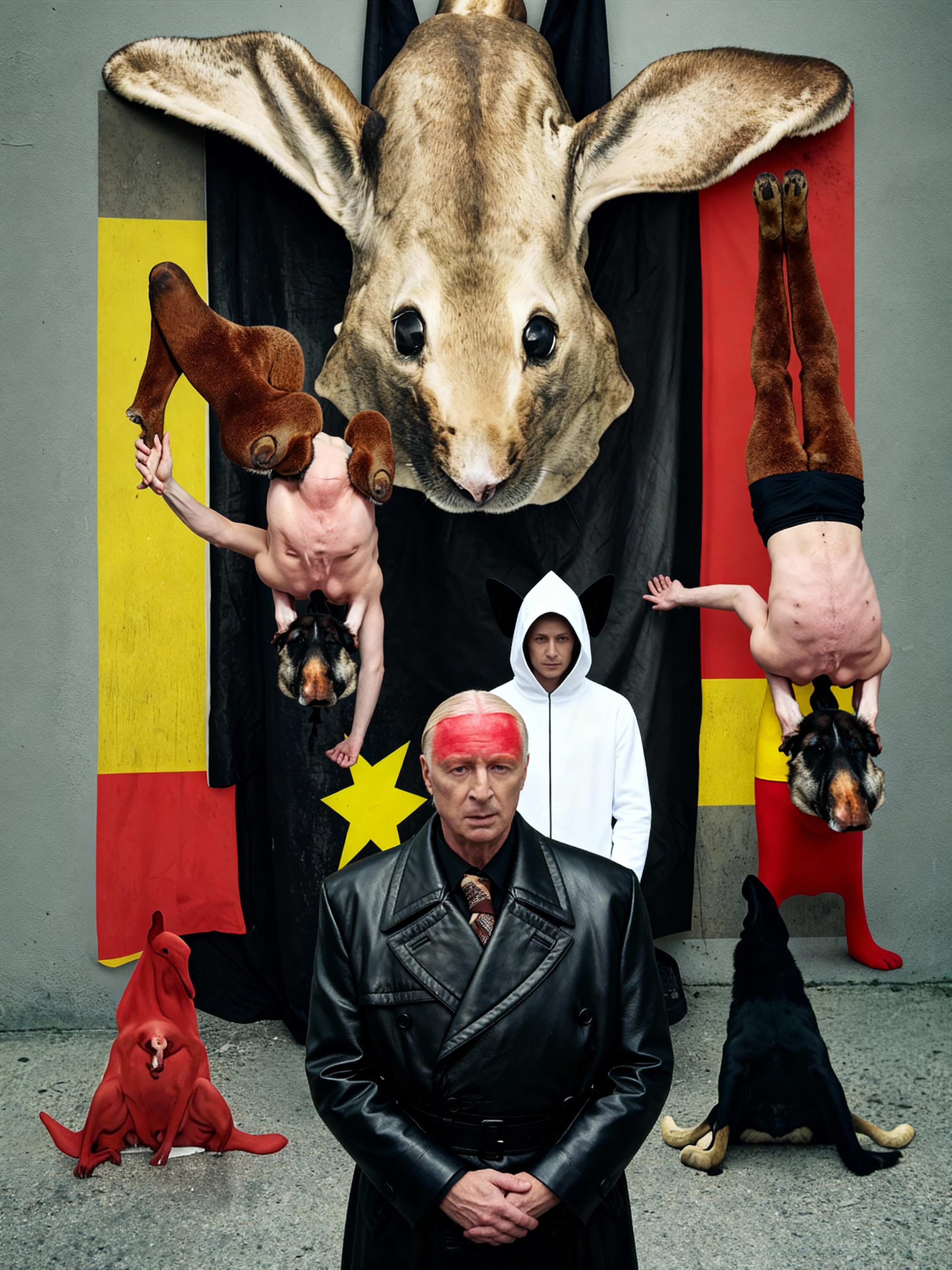
It may be that he has been well briefed, but Hell brings up the Diddy connection early on, referring to “other people” he worked with in New York in the early 2000s who are now in jail. Hell actually collaborated with Diddy on several occasions, including on Hell’s 2009 track ‘The DJ’; and he says he was “shocked” when he saw the Netflix documentary, ‘Sean Combs: The Reckoning’ that explored the American producer’s abhorrent behaviour. “The time I met him, I didn’t know what’s going on,” he says. “I think he was not in this totally out-of-this-world, crazy area yet.”
Conversation retreats back to the happier climes of fashion. Hell’s penchant for style inevitably bled into International Deejay Gigolo Records, with the label being renowned for its distinctive logos – first featuring a youthful Arnold Schwarzenegger, then, following a costly law suit, with Sid Vicious – and its immaculate cover art. (Think of the moody black and white drama on the cover of Miss Kittin & The Hacker’s ‘First Album’ or the label’s numerous scientifically elegant Dopplereffekt releases.)
“Cover art should be on the same level, or with the music,” Hell says, passionately. “I think it’s in all Gigolo covers, even at the Skatman album I was involved with [2025’s ‘Selected Bangers’]. Every detail in every single thing, the colour of the vinyl, the sticker, everything, I know exactly what I want and what’s a good cover or a modern kind of graphic.”
Hell says he couldn’t imagine a life without International Deejay Gigolo. “That’s me,” he says of the label he founded in 1996, inspired by the Beastie Boys and Warhol’s Factory, and which continues to operate today. “That’s my Gesamtkunstwerk – that means everything is involved. Gigolo is my life and I released so much influential music and artists like Bobby Konders, like Dopplereffekt, like Vitalic, like Fischerspooner... there’s many, many, many, many, many artists who released their first music on Gigolo.”
Maybe some people don’t like the idea of music and fashion mixing in this way, or baulk at the notion of the DJ as a performer. But there is no denying that Hell has some serious chops in dance music, first DJing at the age of 14 at his local youth centre. At some point in the 80s the youthful Helmut Josef Geier became DJ Hell and the rest was history.
“Before I was a techno DJ, I was into punk, new wave, and later on hip hop and Black music, electro,” he explains when asked about the name change. “So it was always like ‘Helmut’, you know? But I was experimenting. I was like ‘G-Hell’ or ‘Space DJ Hell’ or ‘Helly.’ And I just cut it down to ‘Hell’. It was just experimenting with what sounded good or what looked good, or what fit me.”
Over the years, Hell has witnessed huge changes in DJ culture and dance music. And if he doesn’t like it all (“club music was originally done for clubs, not for festivals,” he says, pointedly) he can still see the positives.
“Things have changed from vinyl,” he says. “Technically speaking, there are many, many options now and great opportunities to see the DJ work in a different kind of situation. But I always use the new technical innovations in an old-school way, so that it sounds like I do a vinyl mix.”
He fears that this approach may be dying out. “But that’s a reason for me to fight for it and do it every weekend,” he adds, with the combative spirit of someone who doesn’t take this kind of thing lightly. “People are surprised how great it sounds and what energy you can create with that way of thinking.”
Among many pending projects, Hell plans to start work on his autobiography this year and he certainly has the stories for it. When asked for a highlight from his career, he relays a story of playing for one and a half million people – as well as those watching live on German TV or listening on radio – at the Berlin Love Parade in the 90s.
“I remember I was shaking – very much pressure – because I knew it was on TV and on the radio,” he recalls, the emotion still evident in his voice. “But I was prepared. And in those years, people always said: ‘We’re gonna wait until Hell is playing because he puts all his attention in there. And he always plays something special.’ I remember I played the Pope as an intro one year. The next year I had church bells for a three-minute intro. And I have many things to get attention.”
You wonder, perhaps, where the hell he can go from here. How Helmut Geier can ever hope to compete with all the dazzling, illustrious moments from his past as he ploughs ever forward, in a dance music world that is sometimes suspicious of its history. And then you remember: Hell’s just released an amazing new album, his DJ calendar is full, he sounds incredibly happy, and he’s fitted out in his immaculate style, complementing his lived-in looks.
“I will die on top of the horse, riding, and then fall down,” he says, finally. “Until the last moment, I will do something. I will work on something and I will do that my whole life. There’s no stop for a DJ, producer, or artist. This is my life. And I will never stop. I will never retire. There’s no question about it. Never.”
This article first appeared in Disco Pogo issue 9