


.svg)
SAULT are not only the best group to emerge in recent years, they are also the most important. By circumventing traditional music industry practices this clandestine outfit allow their music and the messages contained therein – to take centre stage. As their sixth album, ‘Air’, suddenly drops, author and journalist Tshepo Mokoena gets to the heart of why they really matter…
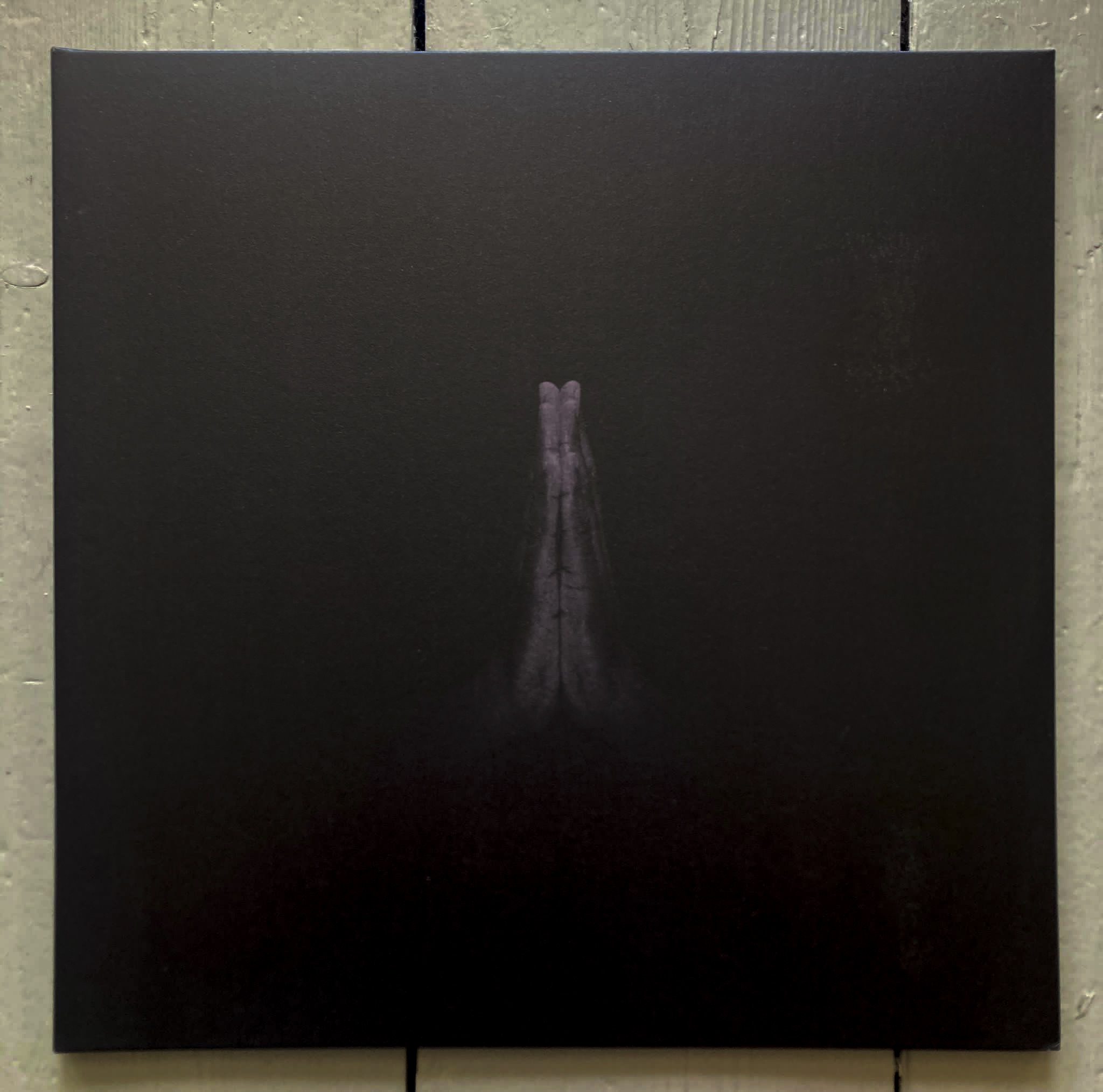
It started like a fire; embers lit before spreading. When SAULT, the enigmatic, genre-mashing group, first released two albums online in 2019, they were an insider secret. A whisper. By June 2020, Gilles Peterson relished the opportunity to play their album ‘Untitled (Black Is)’ in full, on his 6 Music show.
None of SAULT’s six albums to date have cracked the UK album top 40. And yet, even though the group don’t maintain a YouTube account, pirated rips of insistent 2020 single “Wildfires” have racked up more than 4.6 million cumulative views on the video platform. How did we get here?
SAULT are a confounding, exhilarating proposition. We still don’t know who they are – nor even how many band members “they” entail. Careful archaeology into their albums’ digital metadata reveals producer Inflo (Little Simz, Michael Kiwanuka), Kid Sister’s Melisa Young, producer and keyboardist Kadeem Clarke and singer Cleo Sol credited as songwriters. And sure, both Little Simz and Kiwanuka were given performer credits on 2021’s ‘Nine’ and 2020’s ‘Untitled (Black Is)’, respectively.
But for fans and critics alike, that’s beside the point. From behind the cloak of anonymity, the songs have shone through. In a few years, SAULT have begun to carry on a legacy of layered, multi-genre expression, in the tradition of Black British experimentation and adaptation. With the surprise arrival of 2022’s ‘Air’ in mid-April, they’re only getting started.
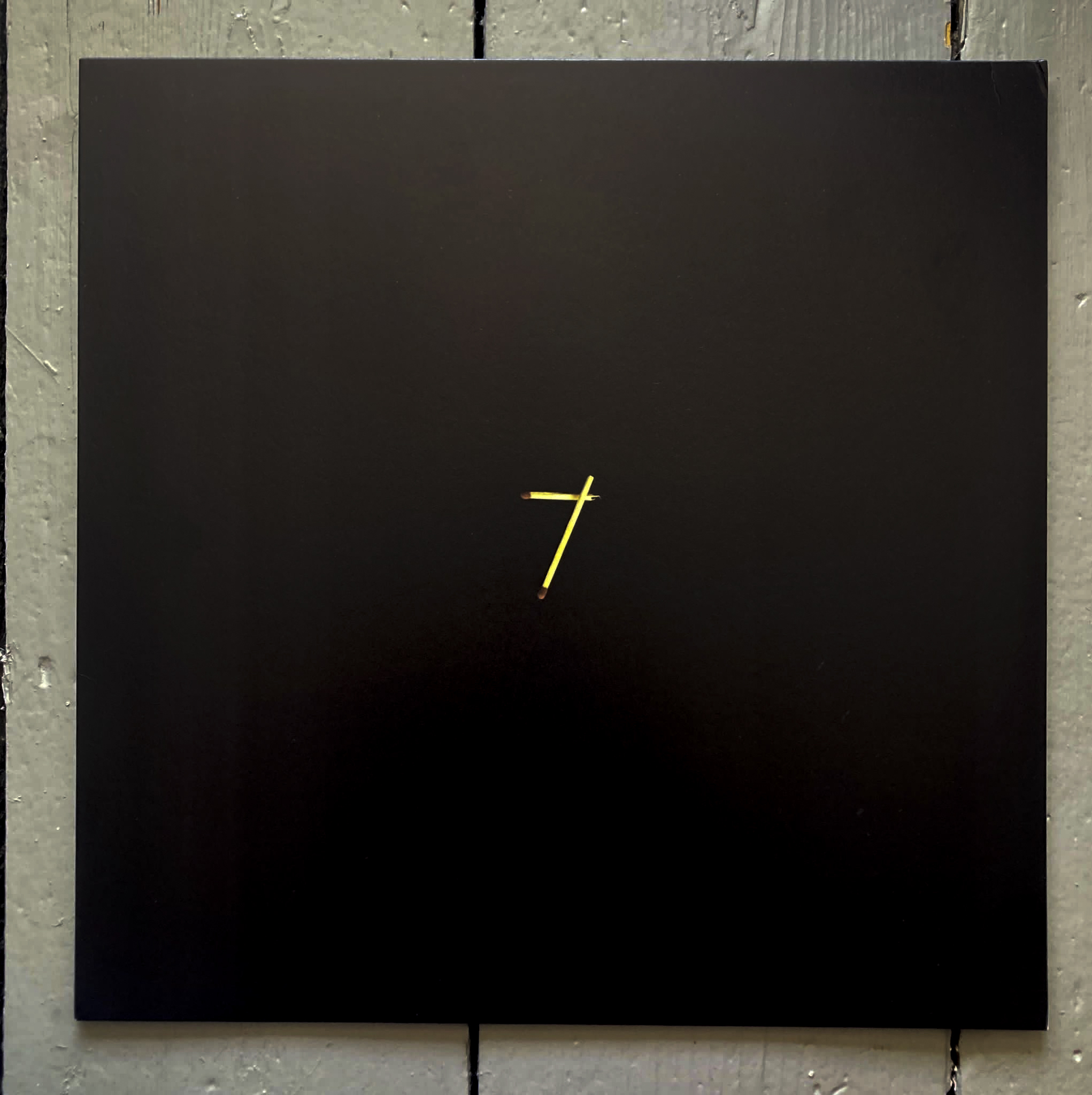
Let’s rewind. If you felt as though in that harrowing summer of 2020 you leapt suddenly from ‘knowing nothing about SAULT’ to ‘desperately seeking out every album in SAULT’s discography,’ you weren’t alone. Their 2019 albums, ‘5’ and ‘7’, belatedly blew onto a couple of ‘overlooked/underrated albums of the year’ lists. Both were released without music videos, promo, live bookings – minus any fanfare, really.
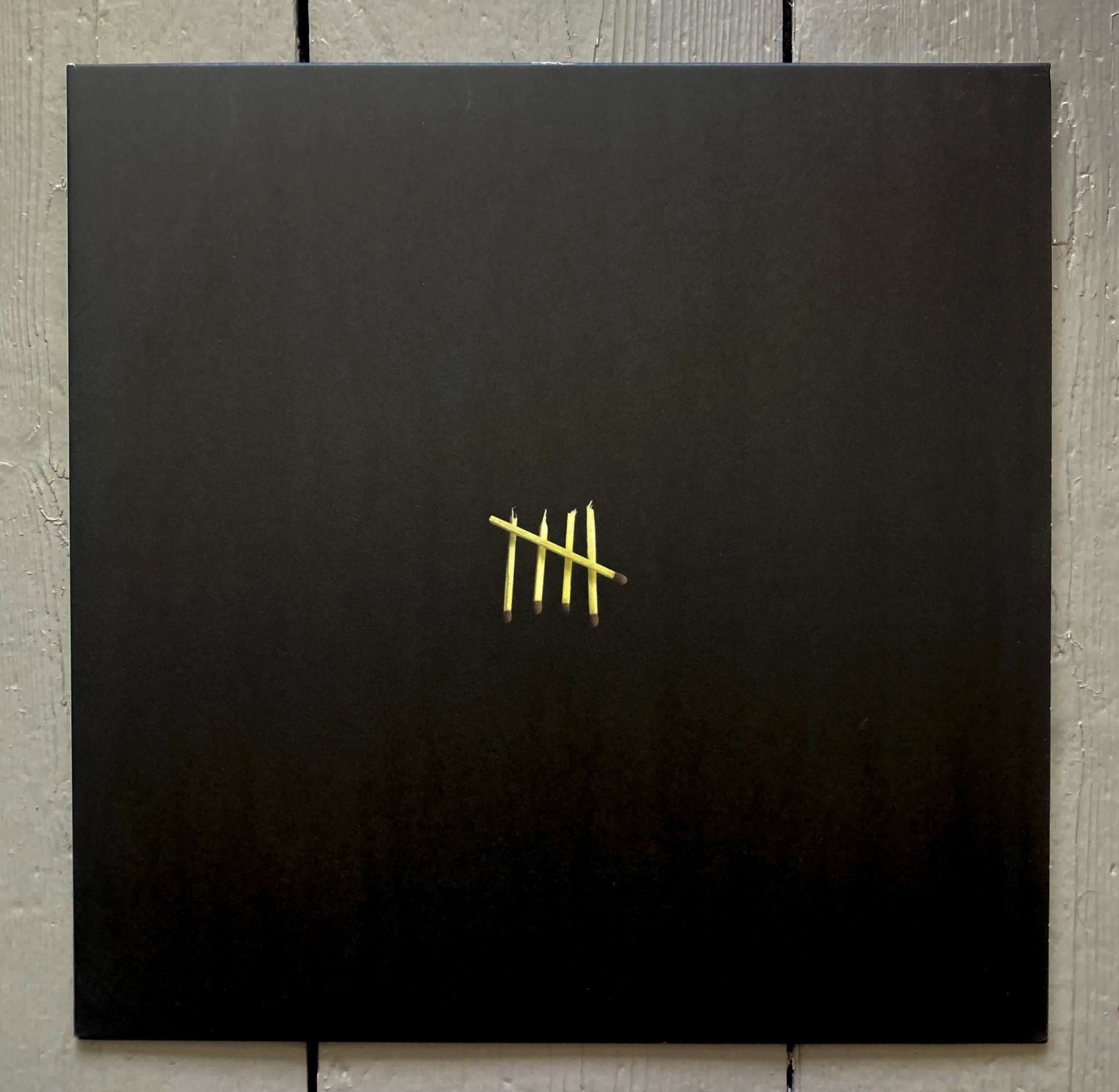
On ‘5’ and ‘7’, SAULT leaned into funk, pitter-pattering drums and danceable grooves. They showed signs of a more political edge to come on ‘5’’s ‘Foot on Necks’, a horrifically evergreen, stomping, scuzzy treatise on anti-Black police violence that sits deep in the pocket of the beat. ‘7’ was less strong as a body of work. It still rumbled across a more crystallised political stance, as on rallying cry for Black boys, ‘Threats’: “They see you as a threat now / but don’t let them break you down”. The Guardian summed up both albums as feeling “simultaneously exploratory and confident, a really appealing, intriguing combination”.
Then, to 2020. SAULT exploded into the public consciousness with ‘(Black Is)’, released on Juneteenth during a summer of protest framed by the hulking shadow of Covid-19. Signposting that this was to be the first ‘Untitled’ release, they shared a simple message on social media in solidarity with Black people and people of Black ancestry. “RIP George Floyd and all those who have suffered from police brutality and systemic racism,” it ended. “Change is happening… We are focused.”
Here, their grab bag of 70s funk and 80s post-punk basslines continued to clatter into spoken interludes, neo-soul meditations and layered vocals, sung sweetly then seemingly shouted from out a window. They took new listeners’ breath away, topping both 6 Music and NPR’s year-end lists while touted by Rough Trade as “the most essential album for 2020”. Mercury Prize-shortlisted ‘Untitled (Rise)’ followed in September, exemplified by pointed lyrics. Again, propulsive drums pushed everything forward, as on breakout psych-funk romp ‘Free’, which ascends into a chorus light as candy floss.
Following on from the pace of work they’d set in 2019, SAULT fell back into the rhythm of dropping two albums per year. Their impact came from more than their work ethic, though. Both ‘(Black Is)’ and ‘(Rise)’ spoke to an outpouring of grief after the murder of George Floyd. An estimated 20 million people joined protests in the US, with others counted in 60 countries. On ‘(Black Is)’, SAULT distilled a howl of rage, of pain, and the slow inhale-exhale that follows. No Black person aware of racism was shocked by Floyd’s dehumanising killing. But music like SAULT’s captured how Black people – whether protesting in the US, UK, South Africa or Kenya – could still find the will to fight back against systemic, ingrained inequality. We’re tired. And still, we fight.
SAULT’s songs feel like catharsis, like a breath; a way to take care of yourself to better serve your community. When the band swoop between genres and sonic textures, they slot into a history of Black British music. Sound systems from Jamaica arrived in England in the 1950s, bringing with them a practice rooted in crowd-soundman interaction and the fertile ground on which to test out hits that the white mainstream entirely overlooked. As journalist and author Lloyd Bradley has put it: “The parlay between soundman and audience allowed British Black music to define itself, and it developed accordingly, taking chances and making seemingly illogical leaps.”
A soundman could guide their listeners from reggae – itself a form of protest music – to jazz, calypso then lover’s rock in a packed room. The sound system, speakers stacked high, seemingly surveyed the scene. And from here the stage was set for the underground development of dub, dubstep, garage and later, via pirate radio, grime. Black British music is so often about transformation, about flourishing while being ignored and rattling at the boundaries of what “popular music” can mean.
Though SAULT may not sound much like Lord Kitchener, Joan Armatrading, Matumbi or Linton Kwesi Johnson, they have walked along the path those elders forged. Sonically, SAULT can tend to lean closer to Massive Attack, Tricky, the Bronx’s ESG and even the Chemical Brothers or Can, from one track to the next. That’s the beauty of relying on the drive of the rhythm section and what we assume are mostly Cleo Sol’s vocals sung in a mellifluous flow. You struggle, eternally, to neatly place the band in one genre box.
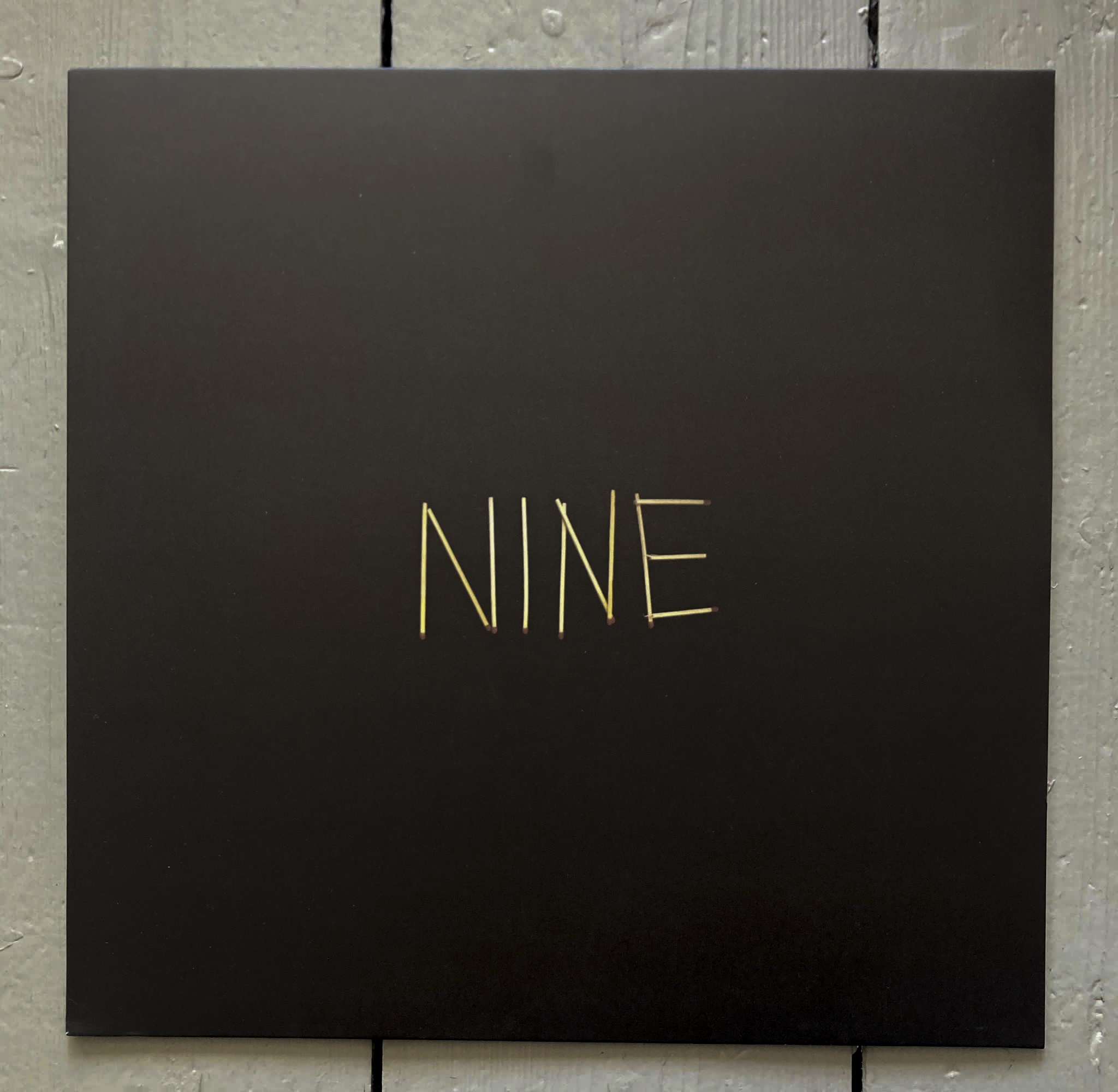
SAULT’s most recent album, ‘Air’, makes this explicit. It came after ‘Nine’, an album only made available to stream or buy for 99 days in late 2021 (999, of course, being the UK’s emergency services phone number). With ‘Air’, SAULT pick up the vocal harmonies and strings of songs like ‘Something’s in the Air’ (from ‘5’), ‘Us’ (‘Black Is’), ‘Rise’ and ‘Street Fighter’ (both from ‘Rise’), blooming into richer, dream-like choral arrangements. Soprano voices trill in butterfly-wing vibrato. Horns blare. Strings twist and fall. Fans expecting the band’s usual groove – one of their only defining characteristics so far – ought to buckle up. Here, Philip Glass, Michael Nyman and early Janelle Monáe come to mind more than the usual neo-soul, jazz and funk references.
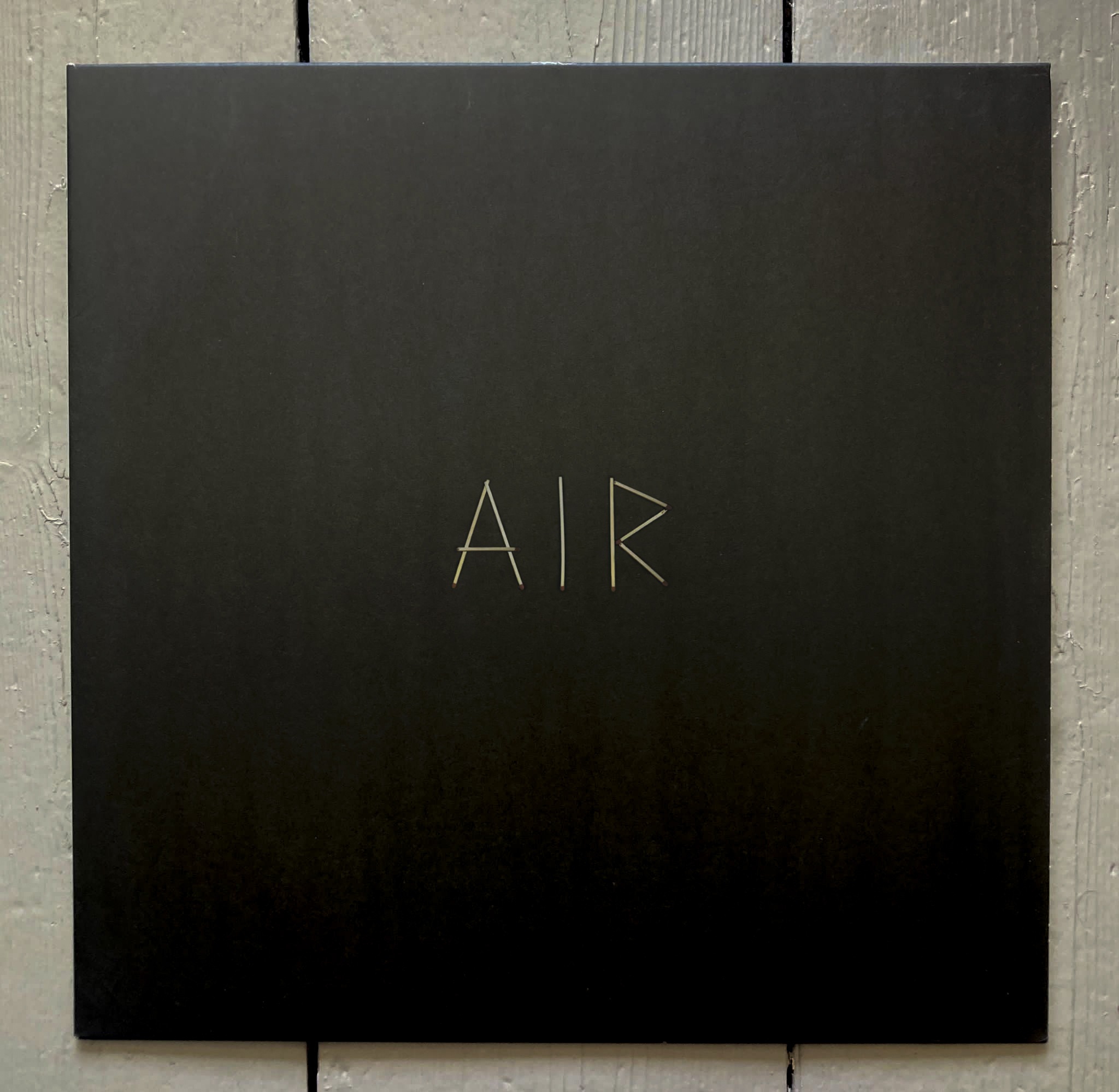
The finest line stands between a gospel choir, a three-part soul harmony, an R’n’B layered vocal and a mantra, sung in unison, at the top of one’s lungs. By paying homage to various Black music traditions, SAULT tap into that connecting thread: Black creativity. They manage to sound both familiar and innovative. Their transatlantic appeal derives from more than Sol’s Americanised singing voice (she obviously is a disciple of the Beyoncé school of pop-R’n’B – find her recordings from 2011 to hear this most clearly). They make diasporic, open-armed music that has captivated audiences who still have no idea what this group would look like on stage. No doubt, SAULT will continue to keep us guessing. The fire may fade in quieter moments between releases. But it can easily be ignited again.
This article first appeared in issue one of Disco Pogo.


.jpg)
