


.svg)
Before he was best known for being Thomas Bangalter’s dad, Daniel Vangarde was a dancefloor pioneer and the co-writer of a pair of disco hits in the late 70s and early 80s. But what does he think of his son’s music, wonders Ben Cardew. And why did French radio ban one of his songs?
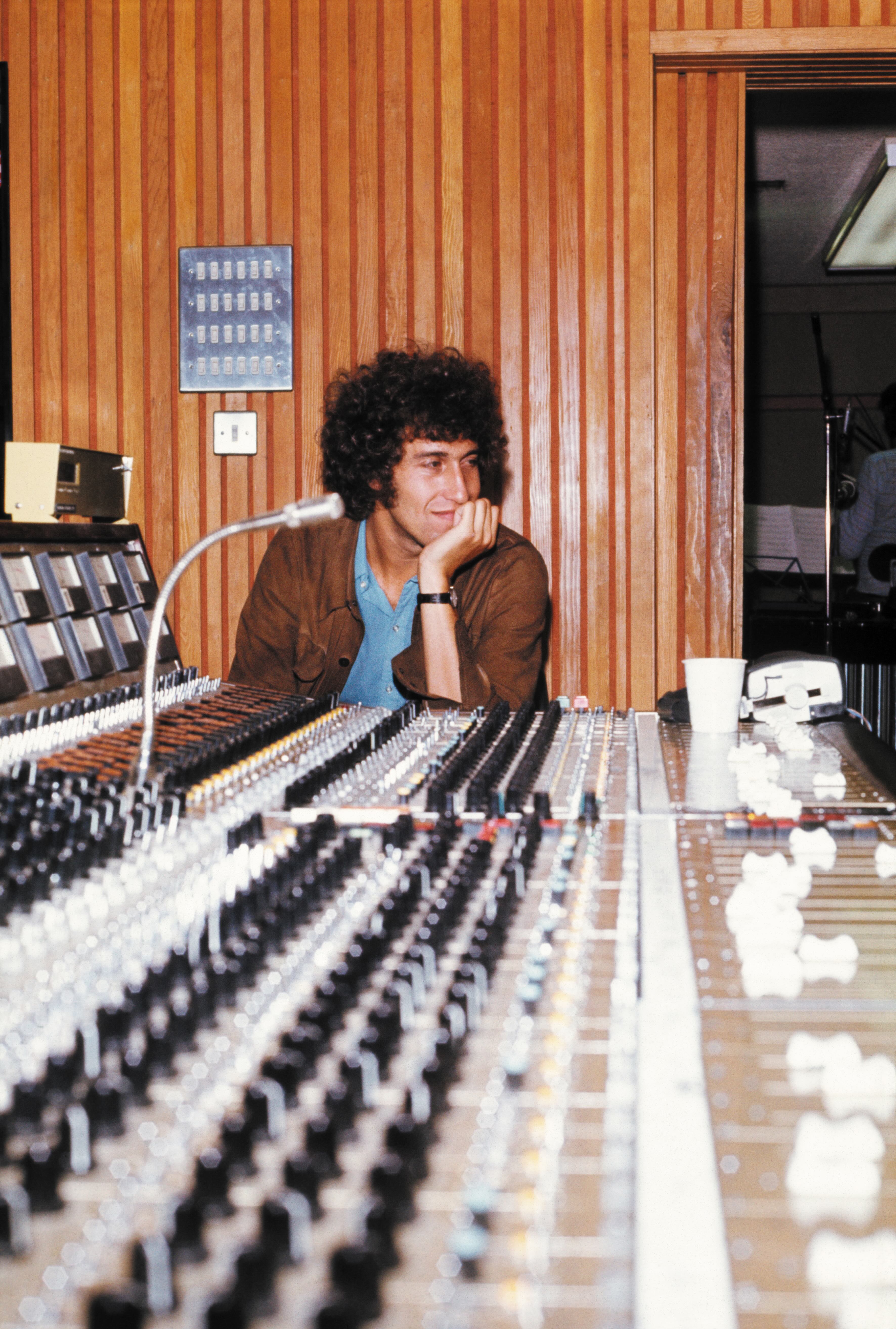
Daniel Vangarde’s musical career is so outlandish you would struggle to make it up – and that’s before you factor in his famous son, Daft Punk’s Thomas Bangalter.
Born in Paris in 1947, Vangarde was so blown away by The Beatles that he composed a letter to the band suggesting they let him join the band. It was never sent and he eventually got into music alongside Belgian composer Jean Kluger, dreaming up the Japanese-themed concept album ‘Le Monde Fabuleux Des Yamasuki’ in 1971.
In 1975, Vangarde launched his Zagora label, with his debut album following the same year. The record’s folky lead single contained a steel heart: ‘Un Bombardier avec ses Bombes’ was banned from French radio for criticising the country’s role in the arms trade.
It was disco that really captured Vangarde’s imagination, though. As Starbow (with Kluger) and Who’s Who, he recorded fabulously melodic underground disco gems, while he also co-wrote such mainstream hits as ‘Cuba’ for Gibson Brothers and ‘D.I.S.C.O.’ for Ottawan.
In the 1990s, Vangarde moved to Brazil, where he founded an NGO, but still had time to advise his son and Daft Punk colleague, Guy-Man, when record labels came calling, resulting in the duo signing a major label deal that afforded them total creative freedom.
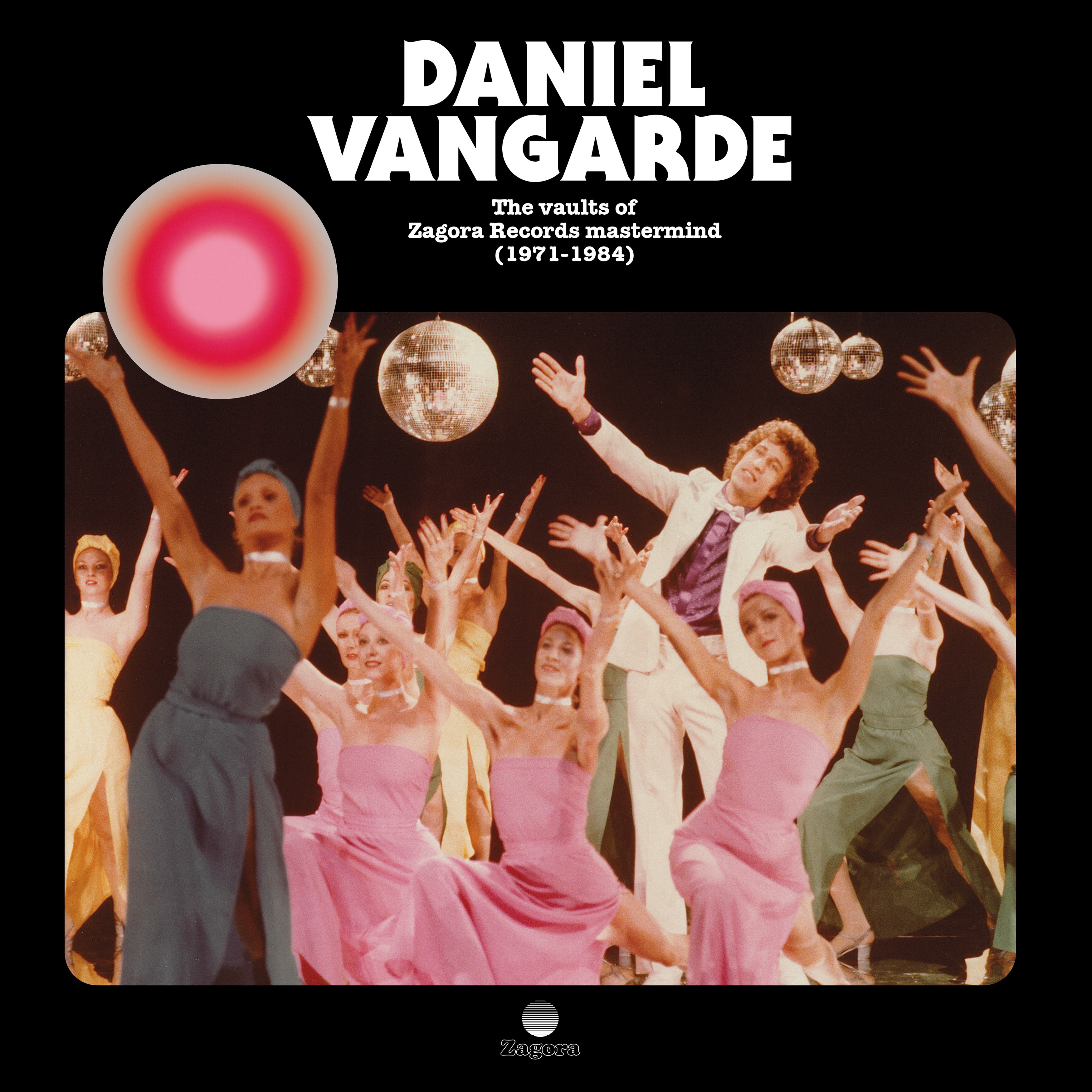
In November 2022, Because Music issued the compilation ‘The Vaults of Zagora Records: Mastermind (1971-1984)’ and earlier this year Be With rereleased Who’s Who’s eponymous album. French producer The Reflex, aka Nicolas Laugier, is also working on remixes from the Zagora catalogue.
Disco Pogo spoke to Vangarde one morning earlier this year, when he was enjoying the morning sun in Brazil.
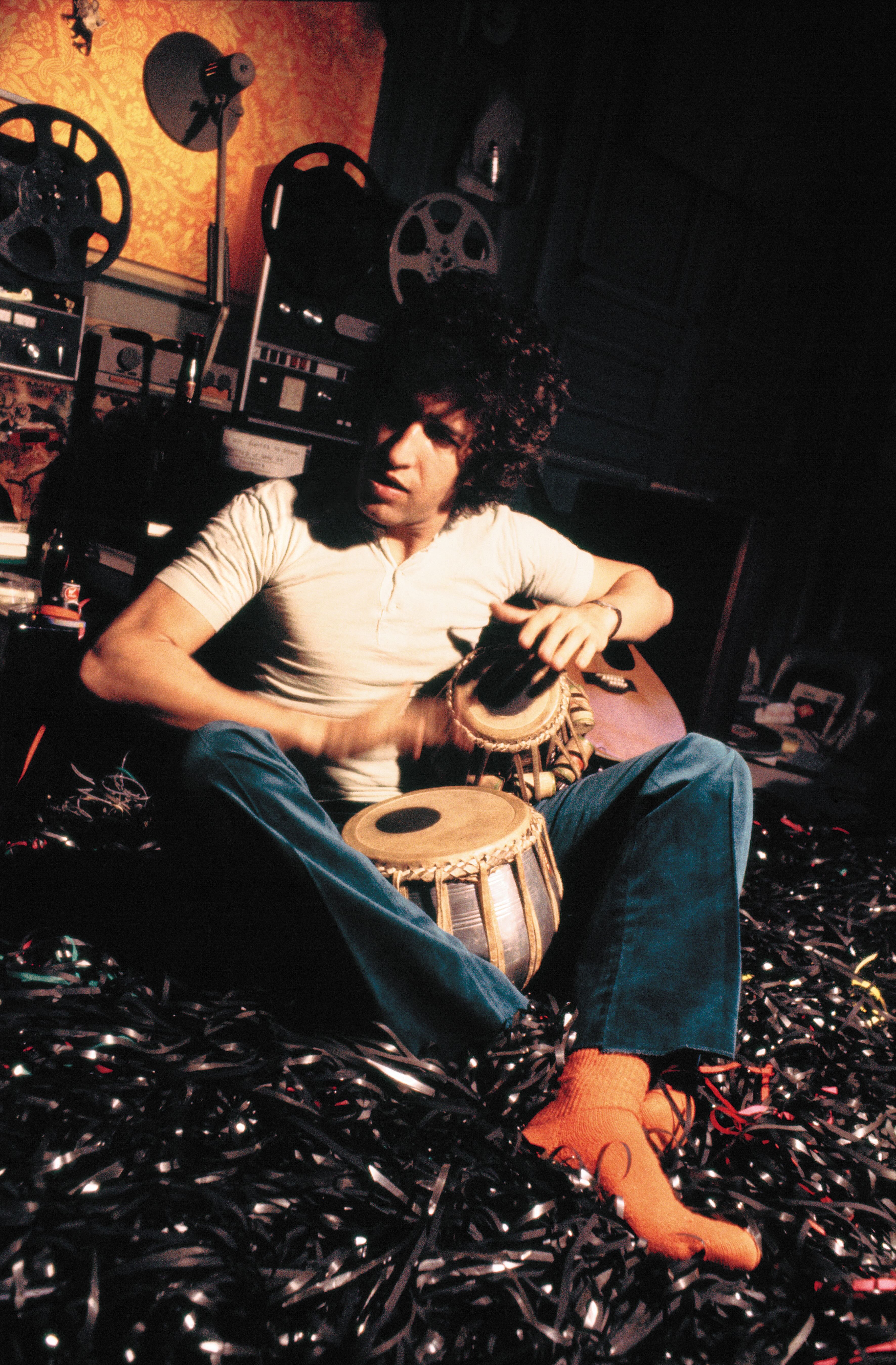
I have seen you described as ‘the secret father of French disco’. How do you feel about that name?
“I was not the father but I was born at that time, musically. I was very involved in the 70s. I used to do music in Spain. I had quite a lot of success in Spain with songs and when I saw the first time the word ‘disco’, it was familiar to me, because it was the Spanish name for ‘record’. So I went to see what it was and I discovered disco. There were not many producers in Paris, like half a dozen. So it was a little movement. And I said to Thomas, my son, that I was happy to being part of a musical movement in the 70s and he could be happy to be part of another movement. When techno and house arrived, with his friends they were in the middle of the movement.”
Do you remember the first disco record you heard?
“I remember the first disco record that really impressed me. I was in a nightclub in Paris; the moment when I was leaving the nightclub I heard Chic’s ‘Le Freak’ and I was really stunned by the quality of the sound. So I came back to see the DJ, to look at the record, and I saw that it was recorded at the Power Station in New York. Two weeks later, I was mixing in New York, the Power Station, a track for Gibson Brothers. And this was a fantastic studio.”
You said the sound quality of ‘Le Freak’ was amazing. Was that the main thing that appealed to you?
“That’s the thing that struck me immediately. I loved the song. But ever since I started to record, I have always been running after a way to get a good sound. One of the reasons I was lucky to have some international hits at that time is that I always tried to do everything possible to have a good sound: go to the best studio, work with good musicians, spend a lot of time on mixing. For example, the song ‘Cuba’ by Gibson Brothers. I mixed it seven times. And I used the first mix because I thought it was the best, but I was never happy. I thought it could be better.”
Do you think disco is political music?
“Disco was political because it was very popular in gay clubs, Black clubs. And to be Black and gay is really not the best thing to be accepted. Imagine today with the politics of Trump.”
‘Un Bombardier avec ses bombes’ was banned from French radio. Did that make you move more into production?
“I just decided at that time that I was not made to sing and decided to concentrate on writing and producing. I was never keen on singing. I was on stage once in my life. I don’t remember what happened but when I went out on stage, I knew that I was not made to be a singer and I would not like to sing the same song every night.”
Why do you think French producers took to disco so well? People like yourself, Cerrone, Jacques Morali…?
“French songs are very melodic. And in the French production there was melody, a different melody than American melody.”
When ‘Who’s Who’ was released in 1979, disco was considered unfashionable in a lot of the world. What about in France?
“I heard that it was unfashionable when they were burning the records in the stadium in America [on Disco Demolition Night]. But I never believed that it was and that it would be unfashionable. Because, for me, disco never stopped. When house and techno came, you have the bass drum of disco. At that time, for fun, I did a song called ‘D.I.S.C.O.’ and it was a big hit in Europe. It was a joke to make a record called ‘D.I.S.C.O.’
at the moment when disco was not fashionable.”
How did you feel about Disco Demolition Night?
“I did not believe it… It was a manifestation from far-right, racist Americans. And if you like [disco] music and if you have been in discotheques, you know that it will not die. It was made to dance to; for people to get together and to dance and to feel the drum and to feel the music. And this was never out [of fashion].”
With ‘D.I.S.C.O.’, did you know you had written a hit?
“I think so, because at that time I had a thing that, when I was mixing, if I had humidity in my hands, it means that the song would have a good chance to be a hit. This means the emotion that I felt and I had a chance to have a public that feels the same as me… And the contrary too: if I felt nothing, I didn’t think it would be a hit.”
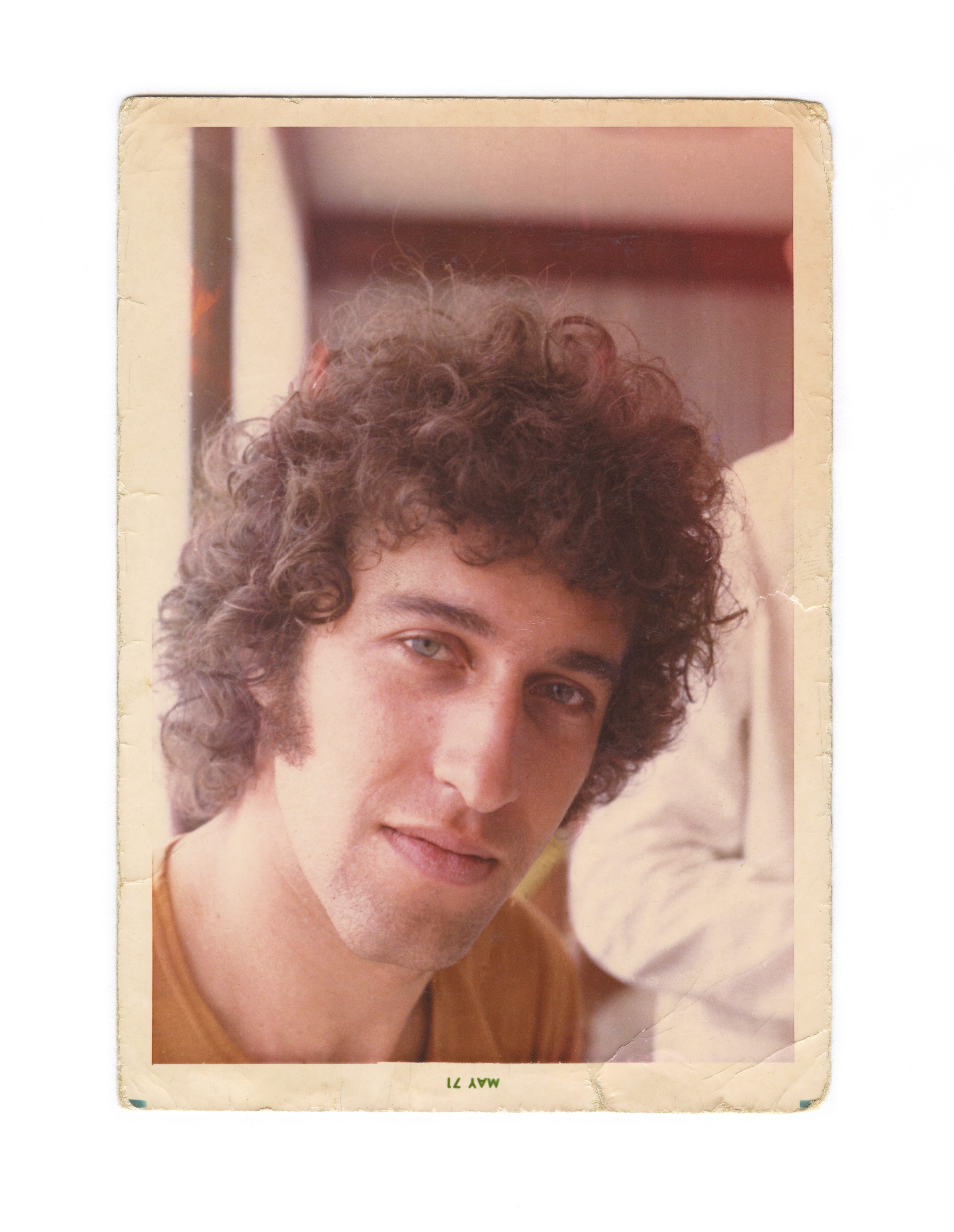
Going back to ‘Who’s Who’, the opening song is called ‘Palace Palace’, named after Le Palace club in Paris…
“It was a very fashionable place and I was just coming back from New York, where I discovered the big roller-skate discotheque. You have a big roller skating place with disco music and everybody doing roller skating with disco music. So I did ‘Palace Palace’. It’s roller skater music.
Did you go to a lot of nightclubs?
“I went to clubs to try out records. Since I was running after a good sound, I always did a mock up. I didn’t press the record; I did first the test record in the mastering room and was going in clubs to compare it to other records, and then doing the correction, if I thought it needed something.”
On ‘Palace Palace’ you sing through a vocoder. What did you like about it?
“The sound – you can play a chord, and each note plays your voice. To sing – and to hear one’s voice in a vocoder – is very exciting. It’s this electronic sound, which was new. When I had the vocoder, in the beginning I used to spend all night testing it out. And before I had released a record with it, there was the single released, ‘O Superman’ [by Laurie Anderson]. I was playing a lot with the vocoder before that record. But when it was out, I didn’t do a record with it because I thought it would look like a copy.”
Who has a better voice through a vocoder – you or Thomas?
“Thomas is an expert on electronic voice. He dominates the electronic voice. He succeeded in getting the sound he wants to get – and it’s very complicated. I saw him sometimes work with a Moog. But I don’t think he used a lot of vocoder.”
In the notes for ‘Who’s Who’, you say: “It amused me to think that my son, Thomas, was influenced by ‘Dancing Machine’ for ‘Around the World’.” Was that something he said to you?
“No, he didn’t say that, but ‘Dancing Machine’ is one word repeated all through the song: “Dancing machine, dancing machine…” And their song was “Around the world, around the world…” Very repetitive. I said that for fun because maybe he didn’t remember when he did ‘Around the World’.”
You talked once about the importance of mistakes in music. Do you think that in modern music there is the tendency to make sure everything is perfect?
“People take mistakes out because with electronic [tools] you can repeat, you can change, you get better and better and better. But you don’t get better and better. You get more and more clean, more and more obvious, and the mistakes in recording that you had when you were recording the musicians together – it is really the soul of the music. If you listen to big records, there are always mistakes. The guitar is too loud at one moment or the rhythm is accelerating. And when you have a steady rhythm, the mind gets bored really easily. Because the mind understands very fast that it will not be surprised and it doesn’t get interested.”
Have you been to a Daft Punk concert?
“I’ve been to four shows in South America, one show in London and one in Paris. And before they did their big show with the pyramid, they had more intimate shows. I was stunned by the show and the quality of the sound and the inventiveness of the music, how it was live and inventive. I was a fan, really a fan, of their music.”
Do you have a favourite Daft Punk song?
“I was really attracted by ‘One More Time’. Because they used a way to transform the voice that I never heard before. They kept [the song] one year and during that year Cher came out with a song with the same sound. So it looks like they copied Cher, but the truth is that they had this sound one year before Cher. I like ‘Around the World’. I like the slow songs too.”
Why did you stop making music?
“I started to not do music at a time when they [Daft Punk] started to have a lot of success. They used to do music in his [Thomas’] bedroom, next to my bedroom. And I thought that it was time to have a new generation doing dance music. I could not have copied them because I was not capable of doing this style of music. And I didn’t want to do something that was out of fashion.”
You launched Zagora in 1975. How important was the independence it gave you?
“Totally important. I always wanted to be my own boss. I produced all the records and I never had to ask somebody if I could redo a mix. I always was totally independent. I would have never worked within a record company. And one other thing I’m happy with Daft Punk, I helped them at the beginning to have this freedom. And they had a freedom where they could produce and release exactly how they wanted to do, without having to listen to second opinions.”
Do you think people will still be listening to your music in another 45 years?
“First question: will we have a functioning world? You never know – it can happen. I produced a famous band in France called La Compagnie Créole in the 80s and a few of their songs are sung in schools. It’s part of French folklore. So maybe it will last. I have grandchildren today, and when they have parties they play ‘D.I.S.C.O.’”
This article first appeared in issue eight of Disco Pogo.


.jpeg)

